Home Blog Page 6

Understanding Phimosis: Description, Symptoms, Types, Causes & Treatment

0

Phimosis is a condition when you can’t pull back your foreskin of the penis. This condition generally happens with uncircumcised adults or children. In some cases of phimosis, the foreskin may look hold a tight and ring-like appearance around the tip of the penis. In newborns, the foreskin loosens naturally over time. However, foreskin becomes a concern when you see a very small opening of the foreskin and you can’t retract the foreskin to clean the area underneath. Normally, it should be easy to retract your foreskin, allowing enough visibility to the head of your penis.

Symptoms of Phimosis

The most common symptom of Phimosis is you can’t pull back your foreskin that covers your penis head. Sometimes tight foreskin doesn’t show any signs but it creates concern when they show below mentioned symptoms:

1. Difficulty while urinating

2. Slow pee stream

3. Blood in your pee

4. Pain during sexual intercourse

5. Swelling or tenderness

6. Frequent affected by urinating tract infections (UTIs)

Types of Phimosis

Based on the cause and condition there are two types of phimosis – 1. Physiological & 2. Pathological Phimosis

  • Physiological Phimosis

A normal condition in infants and young children where the foreskin is tight and attached to the glans. It typically resolves itself as the child grows, and the foreskin becomes easier to retract.

  • Pathological Phimosis

Here the foreskin becomes too tight due to scarring, infection, inflammation, or underlying medical conditions. It can occur at any age and may require medical attention if symptoms like pain, infections, urinating issues or sexual problems arise.

Cause Of Phimosis

Phimosis can be caused by various factors, which can be categorized into two main groups – non-pathological and pathological.

Non-Pathological Cause

1. Natural Development: Newborns and young children often have a naturally tight foreskin, which usually resolves on its own by adolescence.

Pathological Cause

1. Infections and Inflammation: Repeated infections (balanitis) can cause scarring, tightening the foreskin that leads to phimosis. Also, chronic inflammation can be a cause of pathological foreskin.

2. Trauma or Injury: Physical trauma or forceful retraction can cause tears, leading to scarring and tightening.

3. Skin Conditions: Certain conditions like lichen sclerosus or eczema can cause scarring and tightening.

4. Poor Hygiene: Inadequate cleaning can lead to smegma buildup, causing irritation, infection, and finally leads to foreskin.

5. Underlying Medical Conditions: Chronic conditions like diabetes can increase the risk of infections and inflammation, contributing to pathological foreskin.

Complications of Phimosis

Untreated phimosis can lead to several complications that affect physical comfort, hygiene, and sexual well-being. These include:

Phimosis

1. Pain: Retracting the foreskin can cause pain or discomfort during daily activities, sexual intercourse, or urination.

2. Urinary Issues: Severe foreskin can lead to urinary difficulties, such as painful urination or slow flow of urination.

3. Swelling and Inflammation: Untreated foreskin can cause swelling, inflammation, and discomfort in the foreskin.

4. Hygiene Challenges: The inability to retract the foreskin fully can make cleaning difficult, increasing the risk of smegma buildup and infections.

5. Recurrent Infections: Chronic inflammation or infections (balanitis) can occur, leading to recurring symptoms and potentially affecting the glans.

6. Scar Tissue Formation: Persistent inflammation or injury can result in scar tissue formation, further restricting the foreskin.

7. Sexual Dysfunction: foreskin can interfere with sexual activity. It may cause discomfort or pain while doing sexual activities or sexual intercourse.

8. Emotional Distress: The discomfort, pain, and complications associated with foreskin can lead to emotional distress like anxiety or depression.

Treatment of Tight Foreskin

The treatment of tight foreskin or phimosis depends on the condition’s severity. Common treatment options are:

1. Steroid Creams: Applying corticosteroid creams can reduce  inflammation and also increase the elasticity of the foreskin, making retraction easier.

2. Stretching exercises: A gentle stretching of the foreskin can improve flexibility. But to do this, you need guidance from a healthcare provider.

3. Maintain good hygiene: Gentle cleaning with water and avoiding harsh soaps can prevent infections and reduce inflammation.

4. Antibiotics or Antifungals: Treatment of infections like balanitis with prescribed medications can alleviate symptoms.

Surgical option

Circumcision:  Circumcision has various benefits for men’s health. It is a surgical procedure to remove the foreskin of the penis. It’s often performed for cultural, religious, or medical reasons. Circumcision can help prevent urinary tract infections and penile cancer. It also reduces the risk of HIV transmission and other sexually transmitted infections. Also they cure balanitis and phimosis. Circumcision leads to genital hygiene and health. It is definitely a safe and effective procedure performed by a qualified healthcare professional. Various types of circumcision techniques are now available but ZSR and Laser circumcision became popular these days because of their advancement.

How to choose a reliable hospital or clinic?

  • Check the success rate of the hospital or clinic for your selective treatment
  • Make sure your surgeon is efficient
  • Make sure the hospital or clinic has all modern equipment
  • Compare the treatment cost with other hospitals and clinics
  • Check the hospital’s or clinic’s reputation

FAQ: Frequently Asked Questions

  1. What is Phimosis?

Answer: Phimosis is a condition when you can’t pull back your foreskin of penis. foreskin becomes a concern when you see a very small opening of foreskin and you can’t retract the foreskin to clean the area underneath.

  • What are the symptoms of phimosis?

Answer: Symptoms of foreskin are difficulty retracting the foreskin, pain or discomfort during sexual activity, swelling or redness of the foreskin or glans, infections, urinary issues etc.

  • What causes phimosis?

Answer: Phimosis can be caused by natural development, infections or inflammatio, trauma or injuries, skin conditions, poor hygiene or medical conditions.

  • What are the types of Phimosis?

Answer: The two types of Phimosis are, 1.Physiological Phimosis-A normal condition in infants and young children where the foreskin is tight and attached to the glans. It typically resolves itself as the child grows, and the foreskin becomes easier to retract. 2. Pathological foreskin-Here the foreskin becomes too tight due to scarring, infection, inflammation, or underlying medical conditions. It can occur at any age and may require medical attention.

  • Is circumcision procedure safe?

Answer: Yes, circumcision procedure is safe. Now it’s also less painful and give fast recovery due to modern techniques.

Circumcision Techniques: A Comprehensive Guide to Different Types

0

Circumcision is a surgical procedure of removing the foreskin of penis. The foreskin covers the tip of penis. This procedure holds significant cultural, religious, and health value in numerous communities worldwide. It is very much common for new-born babies, assigned male at birth (AMAB). They undergo circumcision just after the birth but children and adults can also get it. From traditional to modern, many types of surgical options are available for this procedure. Both advantages and risk factors are there in circumcisions.

 Benefits of Circumcision

Sometimes circumcision is done due to religious or social beliefs, personal cleanliness or to cure certain health conditions. Health conditions that can be cured through circumcision are-

  1. It decreases the risk of Sexually transmitted infections, like HIV.
  2. It also helps to prevent any kind of Urinary tract infections.
  3. It cures Balanitis, which is swelling on penis head.
  4. It reduces the chances of penis cancer.
  5. Sometimes we notice inflammation (Balanoposthitis) on the head of the penis, this happens due to the uncircumcised, as it gets hard and impossible to pull back. So, circumcision can prevent penile problems.

But some risk factors are still there like fear of infections, excess bleeding and scarring.

Circumcision Procedure

The steps of circumcision procedure include:

  • At first the procedure, the risks and the benefits are discussed in detail. Then your doctor or surgeon will give you instructions before the surgery.
  • The surgery is performed under general or local anesthesia to ensure patient’s comfort.
  • Next the genital area will be cleaned and prepared for the procedure.
  • The chosen this surgery technique will perform to remove the foreskin of penis.
  • Hemostasis techniques are employed to control the bleeding.
  • After the circumcision, patient will be monitored and pain-relieving medications can be prescribed to manage the pain.
  • The surgical area will be dressed to protect it and for healing.
  • Heavy lifting and sexual activities should be avoided for a certain period.

Circumcision Types

There are different types of surgical options available for your treatment. The circumcision types include:

Circumcision
  1. Open Circumcision

Open circumcision is a surgical procedure where the foreskin is removed vertically followed by stitching. Bleeding can be seen during the procedure and also the risk of scarring is there. But it will be minimized after proper care. Post-operative pain or discomfort will stay. The recovery period is 7 to 10 days. And sutures need to be removed after a certain period.

  • Stapler Circumcision

A medical stapler is utilized to remove the foreskin and seal the wound with staples. The stapling technique can minimize the scarring, and make it less noticeable. Patience will face less pain or discomfort than open circumcision. Healing time is also shorter than open circumcision.

  • Plastibell circumcision

In the context of Plastibell circumcision, a ligature is indeed tied at the base of the plastibell. It constricts the blood flow to the excess foreskin, causing the excess foreskin to dry out and eventually fall off over time. The plastibell device helps to reduce the bleeding during or after the procedure.

  • Gomco clamp circumcision

The Gomco clamp is a metal device used in medical settings to secure the foreskin during circumcision. A clamp is used to crush the foreskin, and then it is cut away. With minimal to moderate bleeding and manageable pain it can be controlled with medication.

  • Mogen clamp circumcision

During the Mogen circumcision, the mogen clamp is placed under the foreskin, crushing the tissue and cutting off blood flow. The foreskin is then cut away, and the clamp is removed after that. This method is considered to be bloodless and the risk of getting any infection is also less as nothing is left with the penis.

  • ZSR Circumcision

ZSR is another procedure that removes the foreskin that covers the head of the penis. Utilizing a surgical stapler, it cuts and staples the sides of the foreskin. This process doesn’t require traditional sutures. So, it minimize the bleeding.

  • Laser Circumcision

Laser circumcision is a modern, minimally invasive surgical procedure that uses a laser beam to remove the foreskin of penis. Laser circumcision reduces bleeding due to the laser’s ability to seal blood vessels. No sutures are involved, so no tension to remove it. It is less painful and healing time is short.

Best Circumcision Technique

After reading the types of circumcision, you may get a brief idea about all the types. This technique depends on various factors, like your age, health conditions your personal preference etc. And choosing the  best circumcision technique depends on various factors like bleeding risk, pain, recovery period etc. For this, Laser circumcision is an appealing and safer option than any other traditional techniques.

Circumcision
  • Less bleeding: Traditional circumcisions can result in more bleeding because of the surgical incision. But Laser circumcision seals blood vessels, reduces bleeding.
  • Less painful: Compared to traditional circumcisions laser circumcision is less painful because of the exact tissue removal.
  • Fast recovery: Recovery time is also very fast in laser circumcision than traditional ones.
  • Less scarring: Traditional circumcision can results more scarring but laser circumcision provides less noticeable scarring.

Ultimately, it is essential to consult with a qualified medical professional to determine the best option for you. They will assess your needs, preferences, and medical requirements to provide personalized guidance. A successful outcome relies not only on the chosen technique but also on the surgeon’s expertise.

How to choose a reliable hospital or clinic?

  • Check the success rate of the hospital or clinic for your selective treatment
  • Make sure your surgeon is efficient
  • Make sure the hospital or clinic has all modern equipment
  • Compare the treatment cost with other hospitals and clinics
  • Check the hospital’s or clinic’s reputation

Circumcision Costing

The cost of circumcision depends on various factors on

  1. Hospital or clinic’s location
  2. Doctor’s fees which depend on their experience
  3. Facility cost
  4. Insurance coverage
  5. Anaesthesia cost

FAQ: Frequently Asked Questions

  1. Why people do circumcision?

Answer: People do circumcision due to cultural or religious beliefs and also for medical reasons.

  • What are the benefits of circumcision?

Answer: The advantages of circumcision are, it decreases the risk of STIs, prevent urinary tract infections, cure Balanitis, reduces penis cancer risk, cure Balanoposthitis.

  • Is circumcision painful?

Answer: Yes you may experience pain but pain relievers are also there. But the surgery will be done under local or general anaesthesia.

  • What are the risks of circumcision?

Answer: Bleeding, scarring and infections are the risk factors of circumcision.

  • What is ZSR circumcision procedure?

Answer: ZSR is another procedure that removes the foreskin that covers the head of the penis. Utilizing a surgical stapler, it cuts and staples the sides of the foreskin. This process doesn’t require traditional sutures. So, it minimize the bleeding.

  • What is laser circumcision treatment?

Answer: Laser circumcision is a modern, minimally invasive surgical procedure that uses a laser beam to remove the foreskin of penis.

  • Can circumcision be performed on adults?

Answer: Yes, circumcision can be performed on adults.

Hemorrhoids in Pregnancy survival guide: Symptoms, Causes & Surgical Options

Hemorrhoids in pregnancy time are very common. We also know it as piles. Hemorrhoids can occur during your pregnancy period due to various reasons. Generally, they occur during the third trimester. Hemorrhoids are basically swollen blood vessels or lumps that grow inside or around the opening of anus or in your rectum, hanging from anal canal. They developed because of extra pressure on the veins. It may cause discomfort, itching and even bleeding. If you are affected by it in pregnancy, you should consult a doctor.

Symptoms of Piles During Pregnancy

As we know that internal piles or hemorrhoids form below the rectum and external piles or hemorrhoids form under the skin around you’re anus, the symptoms depend on the type of pile you have.

Internal hemorrhoids may not have any serious symptoms unless they prolapsed. This includes:

  • Pain when you poop
  • Little bleeding during bowel movement

External hemorrhoids symptoms include:

  • Itching
  • Irritation
  • Bleeding
  • Swelling
  • Lumps near anus
  • Pain during anus and surrendered area

Causes of Piles During Pregnancy

Piles appear when excessive pressure is created in pelvic area and lower digestive tract. This pressure is the of swollen veins which leads to hemorrhoids. During pregnancy the pressure comes from:

  • The weight of fetus: During pregnancy, the growing fetus puts pressure on your pelvic area. Because of the enlarged uterus the blood vessels of anus became compressed and it’s become difficult to supply blood throughout the body as easily as they do. This leads to swollen veins and eventually hemorrhoids.
  • Growth of blood volume: During pregnancy your body produces more blood to give support to the fetus. As a result your veins work harder to circulate the increased blood volume throughout your body. This pressure leads to hemorrhoids.
  • Constipation: Due to hormonal changes in pregnancy period your body slows down the digestion process, which leads to constipation. Because of strain during bowel movement, a pressure is created to anus veins which is a cause of hemorrhoids.
  • Low fiber intake: Eating foods such as low in fiber can increase the chance of getting constipation. And this condition can lead to hemorrhoids in pregnancy.

How Can You Prevent Hemorrhoids During Pregnancy?

To prevent hemorrhoids in pregnancy you should keep the below points in mind

  • To avoid constipation eat high-fiber food
  • Don’t delay going to washroom when you feel the urge
  • Try to avoid prolonged sitting
  • Drink plenty of water, it can soften the dry stool
  • Try to lie on other side while sleeping
  • Don’t strain too long on toilet
  • Do exercise regularly. Try to do Kegel exercise, which will increase the circulation of your rectal area and strengthen the muscles around anus
  • Stay active during pregnancy
  • Maintain your weight
  • Eat fruits & vegetables

Treatment for Piles During Pregnancy

In some cases hemorrhoids disappears by the their own after the delivery of the child but it is always better to seek medical help for your health problems, specially in your pregnancy time. The treatments include:

Control your constipation: As constipation contribute to hemorrhoids, you should control that first. To control or relieve constipation you can try below points:

  • Add high fiber foods in your diet with fruits and vegetables
  • Ask your doctor to recommend a fiber supplement that you can take in pregnancy
  • Drink plenty of fluids
  • If prescribed by doctor you can take laxative for constipation
  • Ask your doctor to provide stool softer to take in pregnancy period

Take the pressure off your hemorrhoids: Try not to put much pressure on your hemorrhoids by trying these points:

  • Avoid too much straining in toilet, instead try to relieve your constipation
  • Don’t sit for long period, try to move around for a few minutes every hour to avoid the extra anal pressure
  • Try to lie on other side while sleeping to relieve the pressure on your rectal veins

Home remedies for hemorrhoids in pregnancy:  While you may not be able to completely get rid of hemorrhoids, still using the following points you may reduce the pain. The points include:

  • Try warm tub bath to increase the blood flow and relax the strained muscles around your anus
  • Apply ice pack in the area to reduce the discomfort
  • Use aloe or coconut oil to get relief from discomfort
  • Use wipes of pads that contain witch hazel

Surgical Procedures for Piles in Pregnancy

In some cases, you may need to visit a doctor for treatment to shrink your hemorrhoids. Minor surgery can also be suggested, but it’s rare. Though most of the time healthcare providers recommends to wait until you give birth. But in severe cases doctor may suggest surgery, but they take a detail observation of the risk of child and mother before suggest a surgery. So, Other medical treatment or surgical options are:

  • Hemorrhoidectomy: Hemorrhoidectomy is a surgical procedure that is done under anesthesia. Your surgeon will locate your hemorrhoids and cut off the affected tissue seal the affected tissue. It’s a risky process, that’s why it is only recommended for severe cases like multiple hemorrhoids or hemorrhoids that have prolapsed.
  • Stapled Hemorrhoidopexy: Staple Hemorrhoidopexy is a surgery that uses a stapling device to remove hemorrhoids. Here the hemorrhoidal tissue is lifted back into his normal position inside the anus. Surgical staples are used then to hold the tissue in place.
  • Laser treatment: Laser treatment is minimally invasive procedure that uses laser technology. It targets the inflamed tissues. The heat of laser cuts off the blood supply to these tissues, which reduces the inflammation and swelling.

How to Choose Best Place to Consult a Doctor?

  • Check clinic’s or hospital’s location
  • Check their success rates
  • Check doctor’s knowledge & experience
  • Check if all the modern facilities are available or not in the clinic or hospital

Keep in mind all the points you should choose the reliable clinic or hospital.

FAQ: Frequently asked questions

  1. What are hemorrhoids?

Answer: Hemorrhoids are swollen blood vessels or lumps that grow inside or around the opening of anus or in your rectum, hanging from anal canal.

  • Are hemorrhoids common during pregnancy?

Answer: Yes, it is very much common to have hemorrhoids during pregnancy.

  • What are the symptoms of piles during pregnancy?

Answer: The symptoms of piles during pregnancy include, pain when you poop, little bleeding during bowel movement, itching, irritation, bleeding, swelling, lumps near anus, pain during anus and surrendered area.

  • What are causes of hemorrhoids during pregnancy?

Answer: Constipation, Increased blood volume, Baby’s weight can be a cause of hemorrhoids during pregnancy.

  • Does hemorrhoids disappear after delivery?

Answer: Many women experience the disappearance of hemorrhoids after delivery.

  • How to prevent hemorrhoids in pregnancy?

Answer: To avoid constipation eat high-fiber food, don’t delay going to washroom when you feel the urge, try to stay active, do exercise regularly, avoid prolonged sitting, drink plenty of water as it can soften the dry stool, lie on other side while sleeping, don’t strain too long on toilet, maintain your weight & eat fruits & vegetables. So these are the points to prevent hemorrhoids in pregnancy.

All About Piles: Symptoms, Causes & Effective Treatments

0

What are Piles?

Piles are swollen blood vessels or lumps that grow inside or around the opening ofanus or in your rectum, hanging from anal canal. This is very common problem.We also known it ashemorrhoids.They developed because of extra pressure on the veins. Piles may cause discomfort, itching and even bleeding.Though it often resolve on their own but various treatments are there for your concern.

What are the symptoms of Piles?

As we know that internal piles form below the rectum and external piles form under the skin around your anus, the symptoms depend on the type of pile you have.

Internal piles may not have any serious symptoms unless they prolapsed. This include:

  • Pain when you poop
  • Little bleeding during bowel movement

External piles symptoms include:

  • Itching
  • Irritation
  • Bleeding
  • Swelling
  • Lumps near anus
  • Pain during anus and surrendered area

What are the causes of Piles?

The exact reason is unknown, but they are associated with pressure in the blood vessels in your anus. The pressure can swollen and inflamed the veins. So, the including causes are:

  • Pregnancy: Pregnancy can be a cause of piles. During this period the increasing weight of the fetus and uteruscreates pressure on your pelvicarea. This causing piles.
  • Constipation: Straining during bowel movements can also put pressure on the blood vessels, which may resultin piles.
  • Diarrhea: Diarrhea can cause frequent bowel movement, which causes increased straining andleavingpressure on anal veins. This can contribute to piles.
  • Prolonged sitting: Prolonged sitting can be affecting for piles. Long-time seating position puts pressure on the anal veins.
  • Aging: With time your anal veins and muscles become weak. This can cause piles.
  • Anal intercourse:Pressure to the anal veins during anal intercourse can worsen the existing piles or can develop new ones. Anal intercourse is a threat to piles.
  • Overweight: Being overweight is also dangerous for hemorrhoid. It puts pressure on your rectal veins, increasing the risk of piles.
  • Hereditary factors:Hereditary factors can lead to piles. If any of your family members have this disease there is a chance that you can be affected by it.

Home Remedies for Piles

Sometimes through home remedies your piles can be treated. These are a few things that you can try out to get relief from piles –

  • Taking high-fiber foods
  • Drinking enough amount of water
  • Not straining during bowel movement
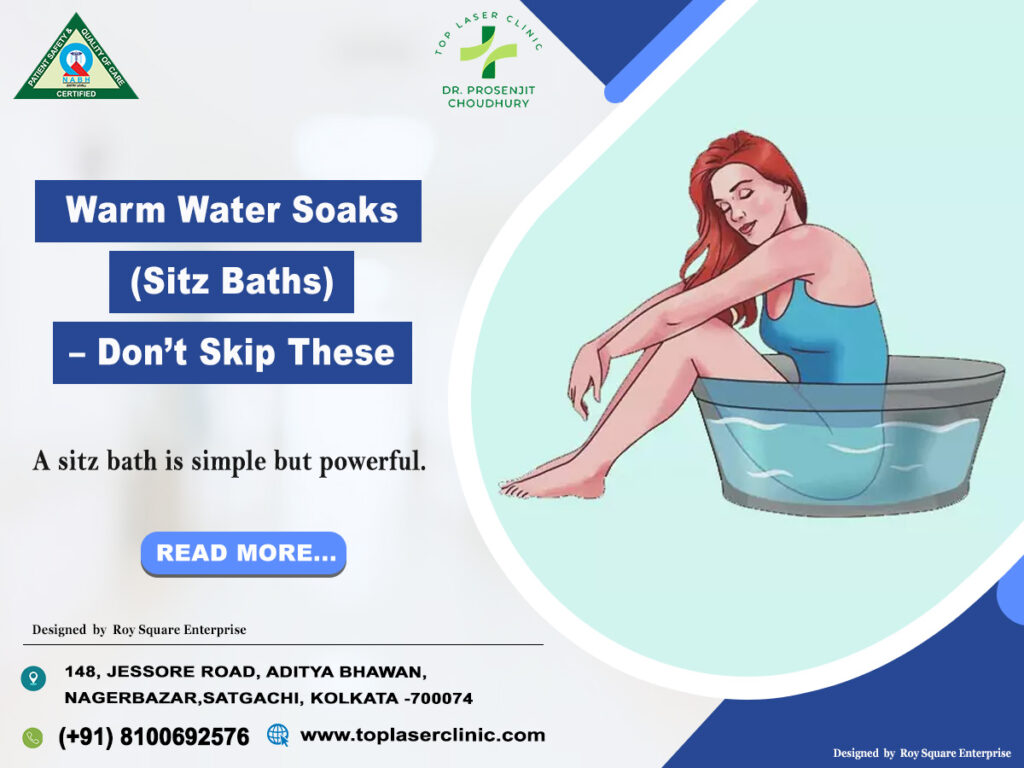
  • Taking warm water baths to reduce pain
  • Avoid prolonged sitting
  • Avoid heavy lifting
  • Doing exercise regularly
  • Losing weight
  • Do not delay going to washroom, when you get the urge

Medical Procedures for Piles Treatment

If home remedies are not helping you to give comfort, then medical procedures and surgery will be the option. It is necessary to seek help from medical professionals if hemorrhoid are disrupting your daily activities. Medical procedures include:

  • Rubber band ligation:Rubber band ligation is an effective treatment for piles. Doctor will place a rubber band around your pile, so that the blood supply can be cut off. Due to this, the pile will be started to shrink and will fall within a few days. This process doesn’t require any anesthesia.
  • Electrocoagulation: In Electrocoagulation process your doctor will insert a probe into the location of pile. Then a gentle current will pass through the probe causing the pile toshrink.
  • Infrared coagulation: Infrared coagulation is a process where aninfrared light is used to heat the blood vessels, so that they can shrink. As the infrared light creates heat, it causes scar tissue to form, which cuts off the blood supply and the hemorrhoid start to shrink.
  • Sclerotherapy: In the case of sclera therapy your doctor will insert a solution into your plies to destroy the tissue. It helps to reduce the piles.

Laser Treatment for Piles

Laser treatment for piles commonly known as Proctology, is a non-invasive surgical procedure where doctors use high-intensity laser beams to destroy the piles. Laser treatment for piles (Haemorrhoids) includes:

  • Hemorrhoidal Laser Procedure: Haemorrhoidal Laser Procedure is a minimally invasive treatment for pikes. With the help of a laser fiber,they target the affected area, which helps to shrink the piles of tissue. Eventually, the piles getdisappear. This procedure is helpful for small piles.
  • Laser Hemorrhoidectomy: Laser Haemorrhoidectomy is a procedure of removing the piles with a laser. The laser cuts the piles and removes them. The process is safe and you will be fine within a few days. Generally, Laser Haemorrhoidectomy is used to remove large or severe piles.
  • Laser Hemorrhoidoplasty: Laser Hemorrhoidoplasty uses higher laser energy than Haemorrhoidal Laser Procedure, to significantly reduce the tissue. A laser probe with camera is inserted into anus to get the view of piles. After that the high-intensity laser beam targets the piles, reducing it’s blood flow and causing it to shrink.

Why Laser Treatments for Piles are Better than Conventional Surgery?

Here are a few points which will justify that laser treatments for piles are better than conventional surgery:

  1. Laser treatments have no or minimal blood loss as they coagulate the blood vessels, unlike conventional surgery which involves manual coagulation.
  2. Laser treatment procedure is quicker than conventional treatment.
  3. Less pain and minimal discomfort than any other conventional methods.
  4. Conventional methods require time to heal and post-operative monitoring and hospital stay. However, laser treatment is associated with quicker recovery and less monitoring period.
  5. Since there is no open wound, the risk of infection is less for laser treatment other than traditional surgery. Here the patient feelsmore comfortable and less pain.

Laser Treatment for Piles Cost

The cost of laser treatment for piles depends upon below factors

  • The clinic’s or hospital’s location
  • Doctor’s salary & experience
  • Success rate of the clinic/hospital or the reputation of the clinic/ hospital
  • Clinic or hospital facility charges
  • Insurance coverages

Keep in mind all the points you should choose the reliable clinic or hospital.

FAQ: Frequently Asked Questions

  1. What are piles?

Answer: Plies, also known as haemorrhoids are enlarge blood vessels or lumps that grows inside or around the opening of your anus.

  • What causes piles?

Answer: Piles can be caused by constipation, pregnancy, diarrhea, heavy weight lifting & many others.

  • What are the symptoms of piles?

Answer: Itching, bleeding during bowel movement, lumps in anus etc.

  • Can we prevent piles at home?

Answer: Yes, you can. By maintaining a healthy diet, exercising daily, staying hydrated, avoiding straining during bowel movements you can prevent it at home.

  • Is prolong sitting harmful for piles?

Answer: Yes, prolonged sitting can be harmful for piles as it pit pressure on you anal veins.

ZSR Circumcision: A Painless Process

0

What is ZSR Circumcision?

ZSR circumcision(Zero-tensionSutureless Resection)is a procedure of removing the foreskin of penis. This process required no needle, no stitches, less scarring. This process is safe and has a high success rate. In the traditional method, your surgeon cuts the penis head and then they seal that cut with sutures. It’s a time taking process and painful also. But with modern technologies, it is now possible to do your circumcision with painless treatment.

Why is ZSR circumcision required?

Sometimes it is done due to religious or social believe, personal cleanliness or to cure certain health conditions. Health conditions which can be cured through ZSR circumcision are-

  1. It decreases the risk of Sexually transmitted infections, like HIV.
  2. Sometimes we notice inflammation (Balanoposthitis) on the head of the penis, this happens due to the uncircumcised, as it gets hard and impossible to pull back. So, circumcision can preventpenile problems.
  3. To cure Balanitis, which is swelling on penis head
  4. It also helps to prevent any kind of Urinary tract infections.
  5. It reduces the chances of penis cancer.

ZSR Circumcision Procedure

The procedure of this circumcision is very much quicker than the traditional method. At first, you will receive anesthesia. Then your genital area will be cleaned. An equipment that looks like a stapler, will be placed around the penis head. Doctors will gently remove the foreskin and then they bandage the wound. The procedure generally takes 30 minutes maximum. The patient can go home the same day after spending some hours in observation. The recovery period is also fast. It takes 3 or 4 days to heal. If you take all the post-surgery rules and restrictions seriously, then within 1 week you will be back to your daily activities.

This circumcision is a minimal surgery and it’s became popular among people for various reasons. Those reasons are –

  • Less bleeding: People choose the ZSR technique rather than the traditional method because of its less bleeding. With the help of modern techniques and equipment doctors prevent excess blood loss during the circumcision process.
  • Quick treatment: It’s a quicker process than the traditional method. Within 30 minutes all the procedures are done.
  • Less painful:Unlike the traditional circumcision method, this process is less painful.
  • Quick recovery period: The recovery period of this circumcision is very quick. Within 3 to 4 days you will be healed.

Risk factors of ZSR Circumcision after the surgical procedure

Some risk factors are there that you should know about. The factors include:

  1. Excess bleedingdue to family history: If you have a family history with bleeding disorders where your blood can’t make blood clot easily, then even a little injury can make you bleed excessively. So, there is a chance that you can be affected by it after the circumcision process.
  2. Infections on surgical area: Redness, swelling or any bacterial infections can happenon the surgical area after circumcision.
  3. Fear of ring detachment : Once the healing process is done after circumcision, the ring that was used to close the incision will come off naturally within 10 to 15 days butin many cases the circumcision ringfalls off early without completing the healing process, this condition is called ring detachment.
  4. Urinary problem: You may face difficulties in urination after surgery.
  5. Nerve damage: There is a chance that during the procedure your nerves of that surgical area gets damaged. But if you are getthe treatment under a expert surgeon, you don’t need to worried about it.

Post surgery rules & restrictions

If you want to be healed quickly after this circumcision you have to take care of all the restrictions. Take rest, keep observing your healing process, don’t lift heavy things, cycling is prohibited, and try to avoid sexual activities for a few days. If you face any kind of excess swelling, excess bleeding, or discomfort you should contact your doctor.

Things you should keep in mind while choosing a reliable hospital orclinic for your treatment
  • Check the success rate of the hospitalor clinic for your selective treatment
  • Make sure your surgeon is efficient & well qualified
  • Make sure the hospital or clinic has all modern equipment
  • Compare the treatment cost with other hospitals and clinics before making any decision
  • Check thehospital’s orclinic’s reputation
ZSR circumcision cost

The cost of ZSR circumcision is depends on various factors. Those are mentioned below

  1. Hospital or clinic’s location
  2. Doctor’sfees which dependon their expertise& experience
  3. Facility cost
  4. Insurance coverage
  5. Anaesthesia cost

So, the cost of this circumcision actually varies to the above points. Keep all the above points in mind before making any decision.

FAQ – Frequently asked questions
  1. What is ZSR circumcision?

Answer: ZSR circumcision (Zero-tension Sutureless Resection) is a procedure of removing the foreskin of penis. This process required no needle, no stitches, less scarring. This process is safe and has a high success rate.

  • How many days it take to recover from ZSR circumcision?

Answer: Generally it takes 3 to 4 days to recover but if other complications do not arise and you strictly follow the post-surgery rules and restrictions you will be fit in a week.

  • Does circumcision impacts your penis size?

Answer: No, it doesn’t. It is just a foreskin removal surgery. It has nothing to do with the size.

  • How long to take to ZSR Circumcision?

Answer: It generally takes 30 minutes to complete ZSR circumcision.

  • Why ZSR circumcision is better than traditional circumcision?

Answer: ZSR circumcision is less painful than traditional Circumcision. It has many advantages like little blood loss, fast surgery, quick recovery and many.

  • What health conditions are treated by ZSR circumcision?

Answer: Balanitis, Balanoposthitis, Paraphimosis, Urinary tract infections or penile cancer can be treated by ZSR circumcision.

  • What are the risk factors of ZSR circumcision?

Answer: Risks including bleeding, infections, urinary problem can arise.

  • Is the procedure of ZSR circumcisionpainful?

Answer: It is not that much painful, as the surgeon uses local anesthesiaon you. But you many feel little pain or discomfort after surgery.

Solutions for Varicose Veins: Symptoms & Treatments

0

Varicose veins are swollen, enlarged, and twisted veins found in the skin of the legs. Generally, it occurs on legs and the condition is totally visible on your skin. Vein walls help the blood to reach the heart. If the wall of your veins gets weakened and your valves are not functioning well, then the blood flows backward, which creates pressure on the veins. That’s why it looks like twisted & enlarged. The veins usually look blue, red, or purple in color. Here we understand the effective solutions for varicose veins. Explore symptoms, causes, and treatments to relieve discomfort and enhance your vein health.

Varicose Veins Signs

The most recognizable varicose veins signs are the twisted, swollen, blue or red visible veins just under your skin’s surface. Other symptoms include:

  • Bulging veins
  • Swelling in legs
  • Pain and cramps in legs
  • Itching
  • Skin discoloration
  • Difficulty in moving
  • Heavy legs after doing physical activity

Varicose Veins Causes

Weakened veins and valves are the primary points of all varicose veins causes. When the veins wall gets weakened they increase the blood pressure. As the veins get enlarged they start to stretch. So, the valves stop working properly. Other causes related to varicose veins are:

  • Natural aging
  • Obesity because itcreates pressure on veins
  • Prolonged standing or sitting
  • High blood pressure

Varicose Veins Risk Factors

Anyone at any age can develop this disease. So, as the risk remains we should be aware of the risk factors. Varicose veins risk factors are:

  • Family history:People with a family history of varicose veins can develop this condition also
  • Age: With age your valves in the veins lose their strength. So, they stop working properly
  • Hormonal issues: Women have more chances to develop this disease. Because during your adolescence period, pregnancy period your body goes through some hormonal changes which can be a reason for this disease
  • Blood clots: Blood clot disease (thrombosis) is harmful. Even it damages your veins, which causes varicose veins
  • Overweight: Excess weight can increase the chances of varicose veins as it creates pressure on your veins

Varicose veins arenotthat much critical disease. But sometimes varicose veins can lead to serious problems. One of them is the problem of blood clots. Blood clots can develop major issues with varicose veins, like –

Deep Veins Thrombosis: In the condition of Deep Veins Thrombosis (DVT), a blood clot arises in your deep veins. Then it blocks the blood from reaching to your heart and lungs. People with varicose veins are more likely to get a chance to develop DVT.

Pulmonary Embolism: When a blood clot develops in your deep veins, sticks into your lungs and blocks the artery to carry blood from heart to other parts of your body. This condition is called Pulmonary Embolism (PE). It’s a deadly condition.

How Varicose Veins Are Diagnosed?

Doctor will check your vein condition which is easily visible in your legs andwill ask about your symptoms, pains and medical history. There is no need for anyadditional tests, only an ultrasound is required to check the detailed condition of the veins.

Home Remedies You Can Try out

Prevent your varicose veins before they get worse& try the below points:

  • Weight loss to reduce the pressure on your veins
  • Avoid prolonged standing or sitting
  • Wear compression stockings, which help the blood to flow upward, towardthe heart
  • Elevate your legs for sometimes
  • Do exercise regularly
  • Eat healthy food
  • Stay active
  • Stay hydrated

Best Way To Treat Varicose Veins

Many treatments are there right now to overcome varicose veins. Though treatments can overcome your problems but varicose veins can come back anytime again at any time. Therefore it’s better to get the treatment on time. Varicose veins treatmentincludes:

  • Vein stripping: Invein stripping surgery, your doctor removes the damaged veins.Firstlya small incisionwill be done on your visible varicose veins. Then your affected vein will be pulled out &remaining veinswill be tied off.
  • Sclerotherapy: Sclerotherapy treats twisted veins. The doctorwill inject a solution in your vein walls to scar and close. This situation pushes the blood through healthier veins and the damaged vein slowly fades up.
  • Laser treatment: Through laser therapy, the heat of the laser creates scar tissue that shuts off the blood flow, and eliminates the damaged veins.
  • Endovenous Laser Ablation:In this procedure, your doctor will make a cut near your veins and they will insert a catheter with a laser into your veins. With the help of ultrasound, the laser heatsthe vein walls to seal off.

Frequently Asked Questions

  1. What is varicose veins?

Answer:Enlarged and twisted veins in the legsare called varicose veins.

  • What are common signs?

Answer: Heaviness, itching, pain, swelling are common signs.

  • Howcompression stockings help invaricose veins?

Answer: It helps the blood to flow upward, towards the heart.

  • Are varicose veins and spider veins are same?

Answer: Spider vein is a variant of varicose veins. But they look smaller and they are less harmful.

  • What is the procedure of Sclerotherapy?

Answer: It’s a surgery where doctors will inject a solution in your vein walls to scar and close. This situation pushes the blood through healthier veins and the damaged vein slowly fades up.

  • What is vein striping surgery?

Answer: Invein stripping surgery doctor removes the damaged veins.

  • Is laser treatment truly effective?

Answer:Yes, with heat doctorsdestroyed the damage veins.

  • Is the pain of laser treatment unbearable?

Answer: You may feel little uncomfortable but laser treatment is not that much painful.

  • Is family history a reason for developing varicose veins?

Answer: Yes, your family history can lead you to varicose veins.

Thyroid Disease: A Common Disease Of These Days

0

What is Thyroid disease?

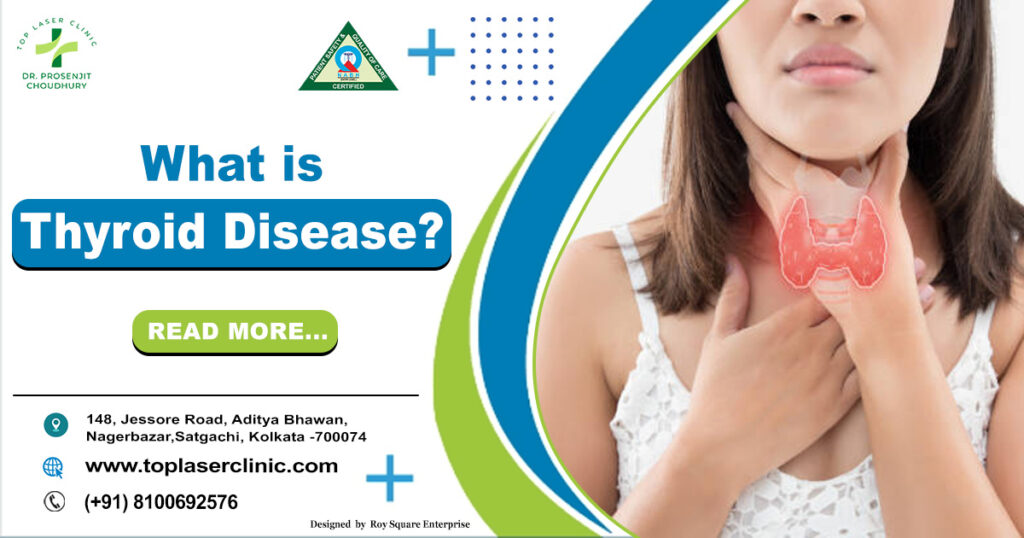
The butterfly shaped thyroid gland is located below the larynx. It iscommonly known as Adam’s apple. It circulates hormones to all your body to give support allyour metabolic processes. But when your thyroid glandproduces too much or too little hormones, then it causes thyroid disease. But it is treatable. With proper medications and treatment, you can overcome the disease.

Take A Look At Thyroid Disease Types

When thyroid gland finds difficulties in functioning normally then it developsthis disease. Hyperthyroidism & Hypothyroidism are the two most common thyroid disease types.

  • Hyperthyroidism – Hyperthyroidism occurs when the glandproducesunrestrainedhormones, affectingvarious bodily processes. It is also known as overactive thyroid. It speeds up the metabolism. The indications are weight loss, fast heartbeat,fatigue &many others.
  • Hypothyroidism– Hypothyroidism is an underactive thyroid disease. In this condition your thyroid gland releases inadequate hormones which affects our normal body functions. This condition can slow down your metabolism and increase the chances of gaining weight.

Symptoms of Thyroid Disease

The symptoms of thyroid diseasevary on the specific thyroid condition. Hyperthyroidism & hypothyroidism have almost reversed symptoms.

Hyperthyroidism Symptoms

Symptoms related to Hyperthyroidism are:-

  • Fatigue
  • Weight loss
  • Excess sweating
  • Fast heartbeat
  • Heat intolerance
  • Muscle weakness
  • Mood swings

Hypothyroidism Symptoms

Symptoms related to Hyperthyroidism are:-

  • Dry skin
  • Weight gain
  • Sensitivity to cold
  • Slower heart rate
  • Constipation
  • Hair loss
  • Muscle pain

Causes of Thyroid Disease

Different causes of thyroid disease include:

  • It can be a genetic problem. Family history of this disease can give you trouble
  •  Bacterial infections are another reason
  • Pregnancy timehormonal changes possibly causing thyroid issue
  •  Low immunity isanother cause
  • Insufficient iodine consumption can affect thyroid function
  •  Stress can also lead to thyroid disease
  • TSH imbalance can create difficulties for thyroid gland
  • Any kind of surgery can harm your gland

Risk Factors for Thyroid Disease

There are severalrisk factors forthyroiddisease. Thereare high chances that you will get affected byinsomnia, diarrhea, high blood pressure, infertility, miscarriage, constipation, hair loss, skin diseases, thyroid cancer and many more.

Some conditions which are connected to hyperthyroidism & hyperthyroidism

  • Goiter: Goiter is an expansion of our thyroid gland which leaves abnormal hormone release. Symptoms related to goiter are visible swelling, breathing issues, sore throat, coughing etc.
  • Thyroid nodule: Thyroid nodule is basically when you see lumps on your gland. Symptoms related to thyroid nodules are lumps in the neck area which is clearly visible, swelling, pain in throat etc.

Both Goiter &thyroid nodule can contribute to hyperthyroidism.

  • Thyroiditis: Thyroiditis refers to the puffinessof the thyroid gland leading various problems in body. Symptoms related to Thyroiditis are swelling in that particular area, fever, swallowing difficulty, stiffness etc.
  • Hashimoto’s disease: Hashimoto’s diseaseis a condition when your immune system attacks your thyroid gland and it can’t produce hormones properly. Enlarge thyroid, constipation, muscle weakness, slow heart rate and weight gain are the symptoms.

Thyroidit is and Hashimoto’s disease can lead to hypothyroidism.

Thyroid Cancer

Thyroid cancer develop in thyroid gland when cancer cells form tumors. Breathing issues, swelling, pain, lump on the neck are signs.

Eager to know how is thyroid disease diagnosed? Hereis your answer below

The treatment generally depends on the type of thyroid you have.

  • Consult healthcare professionals for guidance
  • Doctors will check your neck area to understand thestiffness or swelling
  • TSH (thyroid stimulating hormone) testis important to inspect your hormone level
  • They will evaluate your gland’s size through ultrasound
  • Will examine your gland’s conditions thoroughly and will recommend the next step
  • There are many types of medications that can cure your disease
  • Radioiodine therapy kills the thyroid cells that build hormones
  • In case of thyroid cancer surgery is the best treatment

Treatment of Thyroid Disease

Hyperthyroidism treatment includes:

  • Anti-thyroid medication to stop the unrestrained release of hormone
  • Radioactive iodine therapy to destroy the thyroid cells
  • Surgery or Thyroidectomy to remove all the parts from your gland
  • Stress management
  • Balanced diet

Hypothyroidism treatment includes:

  • Levothyroxine: It’s a medication that you have to take daily to replace your thyroxin hormone because your thyroid is not producing enough hormone
  • Eat a balanced diet
  • Don’t be stressed
  • Daily exercise

FAQ – Frequently Asked Questions

1.What is thyroid?

Answer: Thyroid is a gland which is located in thefront throat. It circulates hormones to your body to give support all your metabolic processes.

2. Is thyroid disease common?

Answer: Yes, it is a common disease nowadays. Every 1 out of 5 people have this.

3. How can I prevent thyroid before it happens?

Answer: Here are 7 things that you can do to prevent thyroid before it happens – 1. Go for balanced diet, intake proper iodine 2. Don’t skip your exercise 3. Don’t take stress, do yoga or meditation to remove the stress 4. Maintain a healthy weight of yours 5. Avoid smoking 6. Avoid junk foods and sugar 7. Drink water properly.

4. Hypothyroidism & Hyperthyroidism primary distinction?

Answer: The primary distinction is, hypothyroidism generatesinsufficienthormones and on another side, hyperthyroidism generatesunrestrained hormones.

5. How does thyroid cancer develop?

Answer:Whencancer cells develop in the gland, it l, ead to thyroid cancer.

6. Is thyroid cancer deadly?

Answer: Thyroid cancer can be healed. It is a serious disease but not deathly. Successful surgery can lead to no threats.

7. What test is required to diagnosed thyroid?

Answer: ATSH test is required to diagnosethyroid.

8. Is thyroid a genetic problem?

Answer: Yes, it can be genetic.

9. What are the risks of thyroidin pregnancy time?

Answer: When your gland is not functioning as it should be, definitely it is going to create risks. In pregnancy time diseases related to thyroidcan hamper many things like – infertility, miscarriage, poor growth of babyetc.

Explaining the Thyroid: Discussing its Function and Symptoms

0

The thyroid gland is a very small yet powerful organ that is located in the front part of the human body. it plays a crucial role in the metabolic process of our body. In spite of having a tiny size, this butterfly-shaped gland holds a crucial role in human life. It regulates a large number of things that includes our energy level to our growth Understanding the thyroid and identifying its signs can allow individuals to seek timely medical care and retrieve their well-being.

What is the Thyroid?

At the junction of your neck, just underneath the Adam’s apple, lies the thyroid gland. This gentle gland, no larger than a walnut, composes a symphony of hormonal action that affects almost every cell in your body. Its key task is to Produce thyroxine (T4) and triiodothyronine (T3) hormones. These hormones act as metabolic organizers, leading the pace at which your body consumes energy.

In this blog post, we will shed light on different types of thyroid and their symptoms:

  1. Hyperthyroidism:

Consider your body as a car racing down the road of metabolism. In hyperthyroidism, it’s as though someone has blocked the accelerator device to the bottom. What the result can be? An outbreak of symptoms signifying a rev-up metabolic engine:  

  1. Fast heartbeat (popularly known as tachycardia in medical term)
  2. Losing weight rapidly in spite of increased appetite
  3. A feeling of anxiety, nervousness or irritability without any specific reason
  4. Shakes in the hands and fingers
  5. Having difficulty in sleeping
  6. Heat intolerance to heat 
  7. increased sweating
  8. irritable bowel movements or diarrhoea
  9. Fluctuations in menstrual patterns
  10. Exhaustion and weakness
  11. Increase of the thyroid gland (goitre)

    B . Hypothyroidism:

On the other hand, in hypothyroidism, it’s as though the engine of your metabolism has taken a slow stop. The symptoms shows that the gland is not working at a portion of its capacity:

  1. Tiredness and weakness
  2. Gaining weight rapidly without any change of food habit and life style
  3. losing weight become quite challenging
  4. Intolerance to cold
  5. Constipation
  6. skin and hair become rough and dry
  7. losing Hair
  8. aches and weakness in muscle
  9. Depression
  10. Memory problems
  11. The menstrual period becomes irregular

Apart from these two popular types of thyroid, several other types of thyroid disorders are there. We will discuss their symptoms in the next segment.

C. Autoimmune Hypothyroidism or Hashimoto’s Thyroiditis

In this disorder, the patient will have the signs and symptoms of hypothyroidism as discussed in the previous section.

Apart from those, the signs are:

  1. Inflammation of the thyroid gland which is also known as goitre
  2. discomfort and stiffness in the throat
  3. Huskiness
  4. Trouble swallowing

D. Autoimmune Hyperthyroidism or Graves’ Disease

In this disorder, the patient will have the signs and symptoms of hyperthyroidism as discussed in the previous section.
Apart from those, the signs are:

a. Exophthalmos or Protruding eyes
b. Feeling of irritation in eyes
c. Eyes become sensitive to light
d. Changes in Vision
e. Double vision
f. Redness in eyes
g. Inflammation of the thyroid gland (goitre)

E. Thyroid Nodules:

This type of thyroid disorder remains asymptomatic in most case which means its shows no symptoms at all. In most cases, it is diagnosed while having an imaging test or a physical examination. It only shows symptoms in case they are quite large and compress the adjacent parts and patients find difficulty in breathing and swallowing.

F. Thyroid Cancer:

  1. Inflammation in the neck
  2. Discomfort in the neck or pain in throat that doesn’t leave
  3. Problem with swallowing and breathing
  4. changes in voice or Hoarseness
  5. Insistent cough but not due to a cold
  6. Growth in lymph nodes in the neck
    Remember that these symptoms may vary from person to person depending on the type and stage of cancer.

Keep in mind that the signs we discussed above can vary among patients. It’s important to note that symptoms can vary widely among individuals, and some thyroid disorders may present with some disorders are even combined with other underlying diseases. As mentioned earlier, some of the thyroid disorders are even asymptomatic. So, if are suspecting that you having thyroid disorder and are showing one or some of the signs get in touch with the medical practitioner to restore this tiny gland in its original condition so that it can work perfectly.

The thyroid gland despite its tiny size has an immense impact on the intricate machinery of the human body. Whether it is cycling up your metabolic engine or reducing it to a crawl, thyroid disorders can significantly influence the quality of human life. By understanding the function of the thyroid and identifying its symptoms, one can take positive steps to get medical advice and restore health. Remember, human body is a precisely tuned instrument and thyroid is one of the most crucial organs that play a vital role in your well-being.

Lateral Aberrant Thyroid

Lateral aberrant thyroid is another type of disorder in which the tissue of thyroid gland departs from the exact location offering into unfamiliar areas within the body.

 Understanding Lateral Aberrant Thyroid:

As discussed earlier, the thyroid gland is located in the front part of the neck and has a huge impact on the development growth and metabolism. In rare cases, the tissue of this gland stats changing position during early development and resulted in the unusual locations.

Manifestations and Diagnosis:

Detection of a lateral aberrant thyroid disorder is a diagnostic challenge. Signs, if present, can differ broadly depending on the position and functionality of the ectopic tissue. Some may experience intense masses or distress, while others may not show any sign, revealed incidentally during imaging studies or surgical procedures.

Finding often includes a mixture of clinical assessment and imaging modalities such as ultrasound, CT scans, or MRI. These tools provide insights into the structural differences and help define the aberrant tissue’s degree.

Clinical Implications and Management:

The existence of a lateral aberrant thyroid increases relevant clinical attentions. Functional irregularities, such as hypothyroidism or hyperthyroidism, may rise due to irregular hormone production. Moreover, the closeness of the ectopic tissue to dynamic structures postures clinical challenges and requires particular development to lessen risks.

Multi-corrective technique, including endocrinologists, radiologists, and surgeons are tha integral part of the management tactics. Different types of treatment options are available that range from from conventional procedures, including hormone replacement treatment, to surgical removal of the aberrant tissue, mostly in cases of compression or functional impairment.

Discovering the Unexplored Frontiers:

Apart from causing medical consequences, lateral aberrant thyroid represents the intricacy and a wide variety of features in the human body. Each case carries being unique, helping in further study in the understanding of the crucial connection between embryonic growth and physiological adaptation.

With the advancement of medical science and further research new outcomes are revealed that help to fight this complicated mechanism of the human body. Acceptance of these irregularities nurtures a deeper appreciation for the intricacies of human biology and emphasizes the uninterrupted quest for knowledge within the realm of medicine.

An Easy Way to Get Better: An Overview of Laparoscopic Hernia Surgery

0

Hernias

Have you ever noticed an unusual swelling in your abdomen or groin area? It could be a hernia. Hernia is a condition where part of an organ or tissue swells through a weakness in the surrounding muscle or connective tissue. Hernias may seem like no big deal at first, but they can lead to serious complications if left untreated.

What Causes a Hernia?

Several factors can increase your risk of developing a hernia. These include:

• Strain from heavy lifting, coughing, or obesity, which puts pressure on the abdominal wall

• Previous surgery or injury that weakened the abdominal muscles

• Being male (hernias are more common in men)

• Genetic factors that contribute to weaker connective tissues

Common Types of Hernias

The most common types of hernias are:

  1. Inguinal Hernia – this type of hernia occurs in the inner groin area when the intestine or bladder swells through a weak spot in the abdominal wall. This is the most common type, especially in men.
  2. Femoral Hernia – They are located in the outer groin/upper thigh area near the femoral artery when the intestine pokes into the canal carrying the artery.
  3. Umbilical Hernia – This type of hernia occurs around the belly button area, common in infants but can affect adults too if the abdominal wall doesn’t properly close after birth or from strain.
  4. Hiatal Hernia – this problem occurs when part of the stomach swells up through the hiatus, an opening in the diaphragm muscle, that separates the abdomen and chest.

Symptoms and Complications

A visible swelling is often the first sign of a hernia, along with aching or a feeling of heaviness, pressure or pain that gets worse with standing or straining. Coughing, bending, or lifting can make it more noticeable.

While hernias start small, they can grow larger over time and can even get incarcerated or strangled – a serious complication where the swollen tissue gets trapped and its blood supply is cut off. This emergency requires immediate surgery.

Treatment Options

Small, painless, uncomplicated tumours should be managed using a support belt or hernia belt. It can help to reduce the pain. However, if the hernia is large or severe, surgery may be recommended to repair and strengthen the weakened muscle wall. This can be done through open surgery or laparoscopic techniques.

Various  treatment options for a hernia

If you have been diagnosed with a hernia, you are in search of the best available treatment option.  The good news is that several options are available depending on the type and severity of your hernia. Let’s look at the different ways inflammation canrewrap itself.

Be careful

Your doctor may recommend ongoing monitoring for small hernia growth, especially those without symptoms. This can be seen in inguinal hernias in children and can be determined when the muscles are 
getting stronger.

Using a sling or hernia belt

Support pieces will not eliminate the hernia but they can help by reducing pain and keeping tissue in place. You can get rid of the symptoms of small hernias using a sling belt. It works only in case of a hernia that does not swell. Remember, it is impossible to prevent a hernia that worsens over time.

Open Hernia Repair Surgery

This traditional surgical process involves cutting into the groin or abdomen so that the tissue that has come out can return to its original position or place. The weakened area is stitched and supported with synthetic mesh or closures to strengthen the 
muscle wall.

With the advancement of medical science, open hernia repair has been replaced by minimally invasive laparoscopic repair, especially for inguinal and hiatal hernias.

Laparoscopic Hernia Surgery

This laparoscopic hernia surgery requires very few openings. The 
doctor can fix the unwanted growth by using a small camera and special tools to push the protruding organ or tissue into the area and secure it with a small mesh 
material.

The advantages of laparoscopic hernia repair include fewer cuts, less pain and scarring, faster recovery, and a lower risk of infection in comparison with open surgery. 

However, like any other surgery, there are some post-operative risks that patients should be aware of the laparoscopic surgery. This includes:

1. Being Overweight or obesity
2. Having prior abdominal surgeries
3. Getting infections at incision sites
4. Increased abdominal pressure from conditions like chronic cough or constipation
5. Lifting too soon or ignoring activity restrictions after surgery

Remember, many hernias don’t cause symptoms initially but increase in size over time. Signs can include a visible bulge or protrusion along with abdominal discomfort, nausea, or feeling of pressure when standing.

After Surgery precautions 

As a patient, you can help prevent hernias by following all postoperative instructions carefully:
• Don’t lift anything heavier than advised, typically nothing over 10-15 lbs for 4-6 weeks
• Avoid strenuous exercise or abdominal strain during the recovery period
• If overweight, lose weight through a healthy diet before an elective surgery
• Stop smoking to reduce chronic coughing that increases abdominal pressure
• See your surgeon promptly if you notice any abnormal swellings or symptoms

Is laparoscopic hernia surgery painful?


One of the biggest advantages of laparoscopic or “minimally invasive” hernia surgery is less postoperative 
pain compared to open hernia repairs. But is this claim backed up by patient experiences?

Let’s take a look at what you can expect in terms of pain and discomfort.

Less Postoperative Pain

Most studies comparing pain levels between open and laparoscopic hernia repairs do show significantly less 
discomfort in the first few days after laparoscopic surgery. This makes sense as there is less muscle cutting and trauma involved.
Patients typically report only mild to moderate pain levels in the week following laparoscopic hernia surgery when using prescribed oral pain medication as needed. 
Many can switch over to over-the-counter medicines like Tylenol or ibuprofen within 3-4 days.

In contrast, open hernia surgery patients tend to have pretty severe pain levels for the first several days thatrequire stronger prescription painkillers.

Not Entirely Pain-Free Though

While much better than open surgery, laparoscopic hernia repair isn’t completely pain-free. There can still be discomfort from the gas used to inflate the abdomen as well as pain from the mesh 
being secured against nerves.
Many patients report sharp pains or pulling sensations with movement as well as general aching across the 
abdomen and at cut sites in the days following laparoscopic surgery. This usually starts improving within a 
week.

Full Recovery Still Takes Time

The less invasive approach means patients are typically able to go home the same day or next day after 
laparoscopic hernia surgery. However, it still takes around 
4-6 weeks before most people feel fully recovered in terms of pain, swelling, fatigue, etc.

Strengthening activities, heavy lifting and vigorous exercise should be avoided for one month. To avoid 
re-injury or recurrence of the hernia, it is important to follow all 
post-operative instructions regarding activity restrictions.
So, although the pain is less laparoscopic than open surgery, it can be difficult at first. Taking the right pain medication and giving your body enough time to rest and recover are the keys to successful laparoscopic 
surgery.

Key Points

If you suspect a hernia, don’t neglect it. Get it evaluated by your doctor. Although initially not a disease, hernias do not 
resolve on their own and can become very serious without proper treatment and care.

Breathe Easy: Understanding the Link Between Umbilical Hernias and Shortness of Breath

0

Umbilical Hernias

An umbilical hernia is a medical condition that occurs when part of the intestine protrudes through the abdominal wall near the belly button (umbilicus). While it can affect people of any age, it’s more commonly seen in infants and in adults who are overweight or have had multiple pregnancies. In this blog post, we’ll delve into the causes, symptoms, and treatment options for umbilical hernias.

Causes:

Umbilical hernias typically develop when there’s a weak spot in the abdominal wall muscles. This weakness can be present from birth or may develop over time due to factors such as:

  1. Congenital Factors: Some babies are born with a weakness in their abdominal wall, making them more prone to umbilical hernias.
  2. Increased Abdominal Pressure: Conditions that increase pressure within the abdomen, such as obesity, pregnancy, heavy lifting, or chronic coughing, can strain the abdominal muscles and contribute to the development of hernias.
  3. Age: In adults, weakening of the abdominal muscles due to aging can also make them susceptible to umbilical hernias.

Symptoms:

The most common symptom of an umbilical hernia is a noticeable bulge or swelling near the belly button. This bulge may become more prominent when coughing, straining during bowel movements, or lifting heavy objects. Other symptoms may include:

  1. Pain or Discomfort: Some individuals may experience pain or discomfort at the site of the hernia, especially if the protruding tissue becomes trapped (incarcerated) or twisted (strangulated).
  2. Nausea and Vomiting: If the hernia becomes incarcerated or strangulated, it can obstruct the intestines, leading to symptoms such as nausea, vomiting, and abdominal distension.
  3. Changes in Appearance: In infants, the umbilical hernia may appear more pronounced when crying or straining but may disappear when they’re relaxed or lying down.

Treatment:

The management of umbilical hernias depends on various factors, including the size of the hernia, the severity of symptoms, and the individual’s overall health. Treatment options may include:

  1. Watchful Waiting: In many cases, especially with infants and small hernias in adults, observation may be recommended. The hernia may close on its own as the child grows or as the individual loses weight.
  2. Hernia Truss: A hernia truss is a supportive device worn over the hernia to keep it in place. While it can provide temporary relief, it’s not considered a long-term solution and may not be suitable for all individuals.
  3. Surgery: If the hernia is large, causing symptoms, or at risk of complications (such as incarceration or strangulation), surgical repair may be recommended. During the procedure, the protruding tissue is pushed back into place, and the abdominal wall is strengthened with stitches or a mesh patch.

Umbilical hernias are common and typically not life-threatening, but they can cause discomfort and complications if left untreated. If you or your child have symptoms of an umbilical hernia, it’s important to consult a healthcare professional for proper evaluation and management. Early intervention can help prevent potential complications and improve the overall quality of life.

As with any medical condition, individual experiences may vary, and treatment decisions should be made in consultation with a qualified healthcare provider.

Does umbilical hernia affect pregnancy?

Umbilical hernias can indeed affect pregnancy, though the extent of the impact varies from person to person. Here’s how:

  1. Increased Pressure: During pregnancy, the growing uterus puts pressure on the abdomen, including the area around the umbilicus (belly button). This increased pressure can exacerbate an existing umbilical hernia or even cause one to develop.
  2. Risk of Complications: While many umbilical hernias are relatively harmless and may not cause significant issues during pregnancy, there is a risk of complications. These can include pain, discomfort, and in severe cases, incarceration or strangulation of the hernia contents. If the blood supply to the herniated tissue becomes compromised, it can become a medical emergency requiring immediate attention.
  3. Delivery Concerns: In some cases, an umbilical hernia might affect the mode of delivery. If the hernia is large or causing complications, your healthcare provider might recommend a cesarean section to avoid putting undue stress on the herniated area during vaginal delivery.
  4. Postpartum Management: After giving birth, the umbilical hernia might persist or worsen due to the strain of childbirth. While some hernias resolve on their own, others may require surgical intervention, particularly if they are causing symptoms or complications.
  5. Monitoring and Management: If you have a known umbilical hernia and you’re planning to become pregnant or are already pregnant, it’s essential to discuss this with your healthcare provider. They can monitor the hernia throughout your pregnancy and provide guidance on managing any symptoms or complications that arise.

In conclusion, while an umbilical hernia can affect pregnancy, the impact varies depending on individual circumstances. It’s crucial to maintain open communication with your healthcare provider to ensure proper monitoring and management throughout your pregnancy journey.

Know can umbilical hernia cause shortness of breath

In general, an umbilical hernia itself is unlikely to directly cause shortness of breath. However, there are scenarios where complications from an umbilical hernia or associated conditions could lead to shortness of breath. Here are a few potential ways:

  1. Large Hernia: A very large umbilical hernia can cause significant abdominal distention and discomfort. In rare cases, if the herniated tissue presses up against the diaphragm (the muscle that separates the chest from the abdomen), it might interfere with its movement and lead to a sensation of breathlessness.
  2. Strangulation or Incarceration: If a portion of intestine or other abdominal contents becomes trapped (strangulated or incarcerated) within the hernia sac, it can lead to obstruction of blood flow and potential tissue damage. In severe cases, this can cause symptoms such as severe abdominal pain, nausea, vomiting, and even shortness of breath due to the body’s stress response to the injury.
  3. Associated Conditions: Sometimes, individuals with umbilical hernias may have other medical conditions such as obesity, chronic obstructive pulmonary disease (COPD), or heart conditions that can independently cause shortness of breath. While the hernia itself may not directly cause this symptom, the combination of factors might contribute to breathing difficulties.
  4. Anxiety and Discomfort: Severe discomfort or anxiety related to the presence of an umbilical hernia can sometimes manifest as shortness of breath due to the body’s stress response.

It’s essential to consult a healthcare provider if you’re experiencing shortness of breath or any concerning symptoms, especially if you have an umbilical hernia or suspect you might have one. They can evaluate your condition thoroughly to determine the underlying cause and provide appropriate management or treatment.

Weight gain and umbilical hernia

An umbilical hernia itself does not directly cause weight gain. However, there are several indirect ways in which an umbilical hernia might be associated with weight gain:

  1. Decreased Physical Activity: In some cases, individuals with umbilical hernias might experience discomfort or pain, particularly during physical activity. This discomfort can lead to a reduction in exercise or physical movement, which can contribute to weight gain over time.
  2. Changes in Lifestyle: The presence of an umbilical hernia or the fear of exacerbating it might lead to changes in lifestyle habits, such as dietary choices or activity levels. For example, someone might become more sedentary or make dietary choices aimed at avoiding exacerbating the hernia, which could potentially contribute to weight gain.
  3. Fluid Retention: In rare cases, particularly if the hernia is large and causing complications such as intestinal obstruction or strangulation, fluid retention and swelling in the abdomen might occur. While this isn’t weight gain in the form of increased body fat, it can lead to a temporary increase in body weight.
  4. Psychological Factors: Dealing with a health condition like an umbilical hernia can sometimes lead to emotional or psychological stress, which might in turn influence eating habits and potentially contribute to weight gain.

It’s essential to note that while an umbilical hernia might be associated with weight gain indirectly through these mechanisms, the hernia itself does not directly cause weight gain. If you’re experiencing weight gain or have concerns about your weight in relation to an umbilical hernia, it’s crucial to discuss these concerns with your healthcare provider. They can provide guidance on managing both the hernia and any associated weight-related issues.

How to cure umbilical hernia

The only way to cure an umbilical hernia is through surgical intervention. While there are non-surgical methods to permanently resolve an umbilical hernia, there are certain measures that can be taken to manage the condition and alleviate symptoms. Here’s an overview:

  1. Watchful Waiting: Small, asymptomatic umbilical hernias may not require immediate surgical treatment. In some cases, especially if the hernia is small and not causing any symptoms, a “watchful waiting” approach may be recommended. Your healthcare provider will monitor the hernia periodically to ensure it doesn’t worsen or cause complications.
  2. Lifestyle Changes: Making certain lifestyle adjustments can help manage symptoms and reduce the risk of complications. These changes may include maintaining a healthy weight, avoiding heavy lifting or straining activities that can increase intra-abdominal pressure, and adopting proper body mechanics to minimize strain on the abdominal muscles.
  3. Supportive Measures: Wearing a supportive abdominal binder or truss may help alleviate discomfort associated with the hernia, particularly during physical activity. However, it’s important to use these devices under the guidance of a healthcare provider, as improper use can potentially worsen the hernia or lead to complications.
  4. Surgical Repair: Surgical repair is the definitive treatment for umbilical hernias, especially if they are symptomatic, enlarging, or causing complications such as strangulation or obstruction of bowel contents. The surgical procedure typically involves pushing the protruding tissue back into place and repairing the weakened abdominal wall muscles with stitches or a mesh patch to prevent recurrence.
  5. Minimally Invasive Techniques: Many umbilical hernia repairs can be performed using minimally invasive techniques such as laparoscopy or robotic-assisted surgery. These approaches offer smaller incisions, shorter recovery times, and reduced risk of complications compared to traditional open surgery.

If you suspect you have an umbilical hernia or if you’ve been diagnosed with one, it’s essential to consult with a healthcare provider to determine the most appropriate course of action based on your individual circumstances. They can provide personalized recommendations and guidance on managing the condition effectively.

Know more about umbilical of infants

Typically arises a question, are umbilical hernias painful for infants? Umbilical hernias in infants are typically not painful. In fact, they are quite common and usually harmless. Here’s why:

  1. Physiological Umbilical Hernias: Many newborns have a small umbilical hernia, which occurs when the abdominal muscles around the belly button haven’t fully closed. This can cause a small bulge or protrusion at the belly button. These hernias are usually painless and typically resolve on their own as the abdominal muscles continue to develop and strengthen during the infant’s first few years of life.
  2. Non-complicated Nature: Most umbilical hernias in infants are non-complicated, meaning that the herniated tissue can easily be pushed back into the abdomen without any adverse effects. As a result, they typically do not cause pain or discomfort for the infant.
  3. Absence of Incarceration or Strangulation: In uncomplicated umbilical hernias, there is no risk of incarceration or strangulation of the herniated tissue. This means that the tissue is not trapped or compromised in a way that would cause pain or other symptoms.
  4. Observation and Monitoring: Pediatricians often recommend monitoring umbilical hernias in infants during routine check-ups. They will assess the size of the hernia, its characteristics, and whether it changes over time. In most cases, pediatricians will reassure parents that the hernia will likely resolve on its own without the need for intervention.

However, if an umbilical hernia in an infant becomes tender, swollen, discolored, or if there’s vomiting or other signs of distress, it’s essential to seek medical attention promptly. These could be signs of complications such as incarceration or strangulation, which require immediate evaluation and treatment by a healthcare provider.

Overall, while umbilical hernias in infants are generally not painful or concerning, it’s important for parents to stay vigilant and seek medical advice if they have any concerns about their child’s health or well-being.