An anal fistula can be uncomfortable, painful and difficult to manage in daily life. Many people experience swelling, irritation, pus discharge or repeated infections and look for ways to treat the condition without surgery. The good news is that several supportive measures can help reduce discomfort and improve bowel health. However, understanding the condition is essential before choosing a treatment.
This guide explains whether fistula cure without surgery is possible, which home-care methods may help, what foods support bowel health and when medical treatment becomes necessary.
Table of Contents
1. What Is an Anal Fistula?
An anal fistula is an abnormal tunnel that forms between the inside of the anal canal and the skin near the anus. It often develops after an infection creates an abscess, which is a collection of pus. Even after the abscess drains, the tunnel may remain and cause recurring problems.
Common symptoms include:
- Persistent pain or discomfort around the anus.
- Swelling, redness or tenderness.
- Skin irritation, itching or an unpleasant smell.
- Repeated abscesses in the same area.
An anal fistula is different from an anal fissure. A fissure is a small tear in the anal lining, whereas a fistula is an abnormal tunnel. Correct diagnosis is important because both conditions require different treatment approaches.
2. What Causes an Anal Fistula?
The most common cause of an anal fistula is an infection in a small gland near the anus. When the infection develops into an abscess, a passage may remain between the infected area and the skin.
Other possible causes include:
- Previous anal abscess: An abscess that does not heal completely may leave a fistula tract.
- Crohn’s disease: This inflammatory bowel condition can affect the anal region.
- Previous surgery or injury: Certain procedures or injuries may contribute to fistula formation.
- Other medical conditions: Less commonly, conditions such as tuberculosis may be involved.
Identifying the underlying cause helps a doctor recommend the most suitable treatment.
3. Can You Cure a Fistula Without Surgery?
One of the most common questions patients ask is whether a fistula can heal without surgery. The answer depends on the type, location and severity of the fistula.
Warm baths, proper hygiene and dietary changes may reduce discomfort, but they generally cannot eliminate the abnormal tunnel.
In selected cases, non-surgical medical management may be appropriate, particularly when an underlying condition such as Crohn’s disease is involved. Treatment may include medicines prescribed by a specialist. However, antibiotics alone do not usually cure an established fistula.
A surgeon may recommend a procedure based on the fistula’s complexity and its relationship to the muscles that control bowel movements. Some procedures aim to treat the fistula while protecting these muscles.
Important: Avoid delaying medical assessment because symptoms temporarily improve.
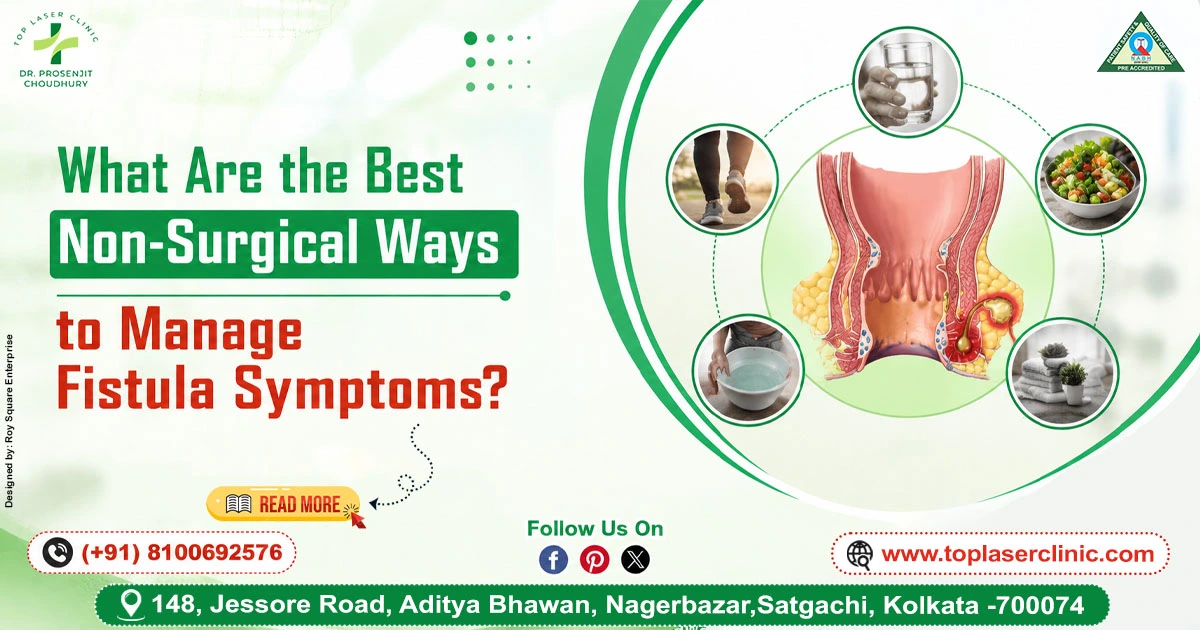
4. What Are the Best Non-Surgical Ways to Manage Fistula Symptoms?
Although supportive care cannot reliably cure an established fistula, it can help patients feel more comfortable while receiving appropriate medical advice.
Warm sitz baths: Sitting in comfortably warm water for 10–15 minutes may soothe irritation and discomfort. Avoid excessively hot water.
Maintain gentle hygiene: Clean the area carefully with water after bowel movements. Pat dry rather than rubbing the skin.
Prevent constipation: Hard stools and straining can increase discomfort. Include fibre-rich foods and drink enough water, unless your doctor has advised fluid restriction.
Avoid prolonged pressure: Take breaks from prolonged sitting if it increases discomfort.
Follow medical advice: Use prescribed medicines as directed. Do not take antibiotics or apply unverified products without consulting a healthcare professional.
These steps support symptom management, but they should not replace assessment by a qualified surgeon.
5. Can Natural Remedies Help With an Anal Fistula?
Natural remedies are often discussed online, but their benefits should be understood realistically.
Warm water baths may relieve irritation, while a balanced diet and gentle hygiene can support general recovery. However, there is no reliable evidence that turmeric, garlic, herbal oils or other home remedies can permanently close an established anal fistula.
Avoid inserting substances into the anal opening or applying harsh chemicals to the affected skin. Such practices may cause irritation, injury or infection.
If symptoms persist or repeatedly return, consult a specialist rather than relying only on home treatment.
6. What Foods Should You Eat for Better Bowel Health?
A healthy diet can help maintain regular bowel movements and reduce straining. While food cannot directly cure a fistula, good bowel habits can make daily life more comfortable.
Consider including:
- Fruits: Papaya, pears, apples and oranges.
- Vegetables: Spinach, carrots, beans and other fibre-rich vegetables.
- Whole grains: Oats, whole-wheat roti and brown rice.
- Pulses and legumes: Lentils, chickpeas and beans.
- Adequate fluids: Drink water regularly, according to your individual health needs.
Increase fibre gradually to avoid bloating. If you have Crohn’s disease or another digestive condition, ask your doctor or dietitian about foods that suit your needs.
Limit foods that personally trigger constipation or digestive discomfort. There is no single diet that can cure an anal fistula.
7. What Happens If an Anal Fistula Is Left Untreated?
Leaving an anal fistula untreated can allow symptoms to continue or worsen. The opening may drain repeatedly, and an infection may develop again.
Some patients experience temporary relief when discharge occurs, but this does not necessarily mean the fistula has healed. The tract can remain and cause further episodes of pain, swelling or infection.
Early medical assessment helps identify the condition, rule out other causes of symptoms and prevent avoidable complications.
8. Complications if Untreated
Possible complications of an untreated anal fistula include:
- Recurring abscesses: Pus may collect again, causing swelling and pain.
- Persistent discharge: The opening may continue to release pus or fluid.
- Skin irritation: Repeated moisture and discharge can damage the surrounding skin.
- Formation of additional tracts: In some cases, the fistula may become more complex.
- Ongoing infection: An untreated infection can lead to more serious illness.
Seek urgent medical attention if you develop fever, rapidly increasing pain, spreading redness or swelling. These symptoms may indicate an abscess or worsening infection.
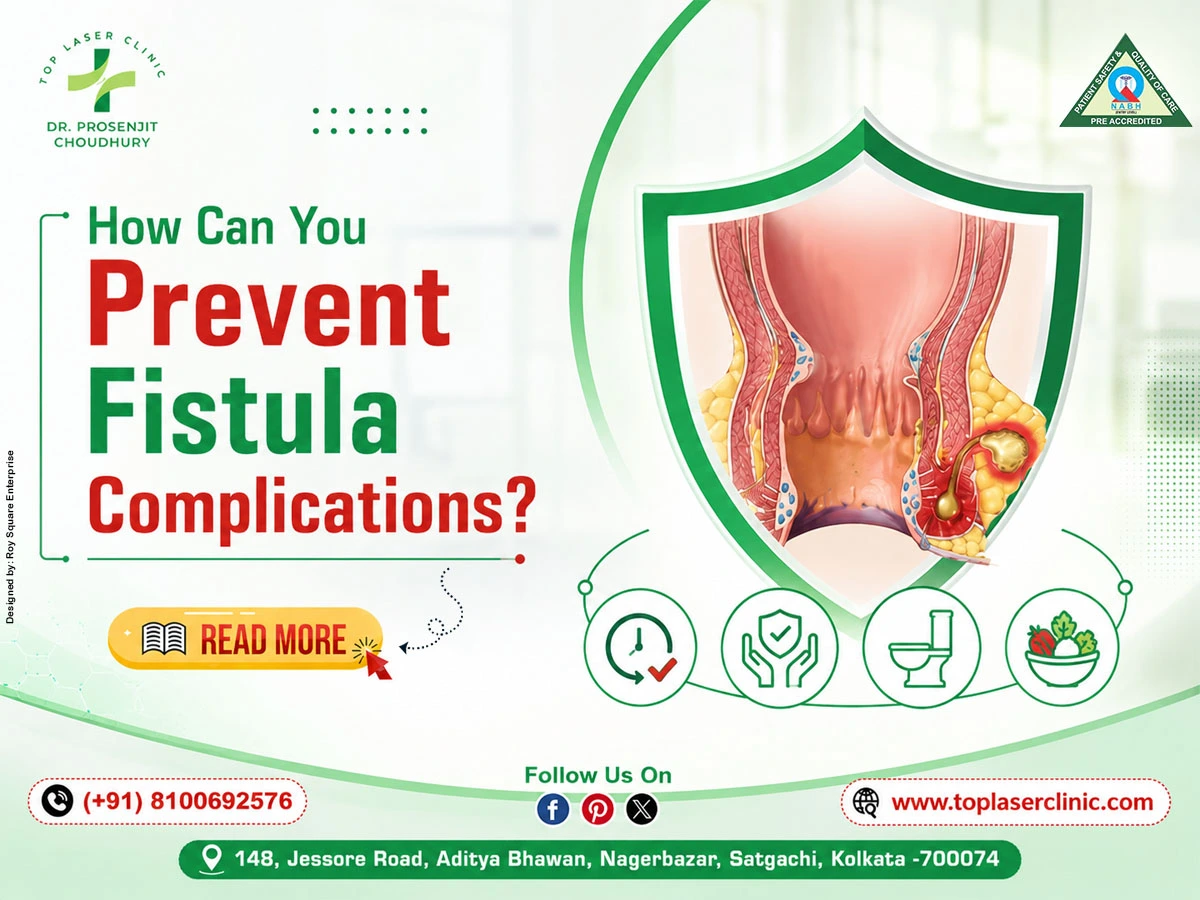
9. How Can You Prevent Fistula Complications?
Not every anal fistula can be prevented, but timely care can reduce the risk of ongoing problems.
- Consult a doctor if you notice persistent anal pain, swelling or discharge.
- Seek prompt treatment for an anal abscess.
- Maintain gentle hygiene around the affected area.
- Eat a balanced, fibre-rich diet to support regular bowel movements.
- Avoid straining during bowel movements.
- Follow your treatment plan and attend recommended follow-up appointments.
- Manage underlying conditions, including inflammatory bowel disease, with appropriate medical care.
Do not ignore recurring symptoms, even if they appear mild.
10. Why Choose Dr. Prosenjit Choudhury at Top Laser Clinic?
Choosing the right surgeon is an important step when dealing with an anal fistula. A proper evaluation helps determine the type of fistula, identify any associated infection and establish whether conservative management or a procedure is appropriate.
At Top Laser Clinic, patients can seek consultation with Dr. Prosenjit Choudhury, an experienced General & Laparoscopic Surgeon in Kolkata.
Important considerations during fistula care include:
- Accurate diagnosis: Understanding the location and complexity of the fistula.
- Individualised treatment planning: Selecting an approach based on the patient’s condition and medical history.
- Clear guidance: Explaining available treatment options, expected recovery and possible risks.
- Follow-up care: Monitoring healing and addressing recurring symptoms.
Patients searching online for the best general surgeon in Kolkata should consider the surgeon’s relevant experience, qualifications, treatment approach and communication with patients.
A consultation can help you understand whether non-surgical symptom management is suitable or whether a definitive procedure is needed.
11. Conclusion
Fistula cure without surgery is a common concern, particularly for people who want to avoid discomfort and recovery time. While warm sitz baths, gentle hygiene, a fibre-rich diet and appropriate medical management can help relieve symptoms, these measures generally cannot permanently cure an established anal fistula.
The safest approach is to seek an early medical assessment and understand the treatment options available for your specific condition. Prompt care can help reduce recurring infections and improve comfort.
For professional guidance, consult Dr. Prosenjit Choudhury at Top Laser Clinic to discuss your symptoms and appropriate treatment options.
1. Can an anal fistula be cured without surgery?
Most established anal fistulas require a procedure for definitive healing, although selected cases may be managed medically.
2. Can a fistula heal naturally?
An established anal fistula rarely closes permanently on its own.
3. What is the best non-surgical treatment for a fistula?
Warm sitz baths, gentle hygiene and constipation prevention can ease symptoms but usually do not close the tract.
4. Can antibiotics cure an anal fistula?
Antibiotics may treat certain infections but generally cannot eliminate the fistula itself.
5. Do warm water baths help with fistula pain?
Yes, warm sitz baths may temporarily relieve discomfort and irritation.
6. Which foods are good for fistula patients?
Fruits, vegetables, whole grains and adequate fluids can help maintain regular bowel movements.
7. Is an anal fistula dangerous?
can cause recurring abscesses and persistent infection, so medical assessment is important.
8. What happens if a fistula is left untreated?
It may cause repeated infections, discharge, pain and additional fistula tracts.
9. How long does an anal fistula take to heal?
Healing time varies according to the fistula’s complexity and the treatment used.
10. When should I consult a surgeon for an anal fistula?
Seek medical advice for persistent discharge, pain or swelling, and urgent care for fever or worsening symptoms.

