Gallbladder stones are one of the most common digestive health problems affecting millions of people worldwide. While some stones remain silent, others can cause severe pain, infection, and serious complications if left untreated. Understanding gallbladder stones and the available treatment options can help patients make informed decisions about their health.
In this comprehensive guide, you will learn everything you need to know about gallbladder stone surgery, its benefits, recovery process, diet recommendations, and when surgery becomes necessary.
Table of Contents
What Are Gallbladder Stones?
Gallbladder stones, commonly known as gallstones, are hardened deposits that develop inside the gallbladder.
Gallstones can vary in size, ranging from tiny grains to large stones. Some people may have a single stone, while others may develop multiple stones at the same time.
However, when they block the bile ducts, they can lead to severe pain and medical complications that often require surgical treatment.
Causes of Gallbladder Stones
Several factors can contribute to the formation of gallstones:
1. Excess Cholesterol in Bile
When bile contains too much cholesterol, crystals can form and eventually become stones.
2. High Bilirubin Levels
Certain liver conditions can increase bilirubin production, contributing to stone formation.
3. Poor Gallbladder Emptying
If the gallbladder does not empty completely, bile can become concentrated and form stones.
4. Obesity
Being overweight significantly increases the risk of gallstones.
5. Rapid Weight Loss
Sudden weight loss can disrupt bile chemistry and promote stone formation.
6. Diabetes
People with diabetes often have a higher risk of developing gallstones.
7. Family History
Genetics may play an important role in gallstone development.
8. Age and Gender
Women and people over 40 are generally more susceptible to gallstones.
Common Symptoms of Gallbladder Stones
Gallstones may not always produce symptoms. However, when symptoms occur, they often include:
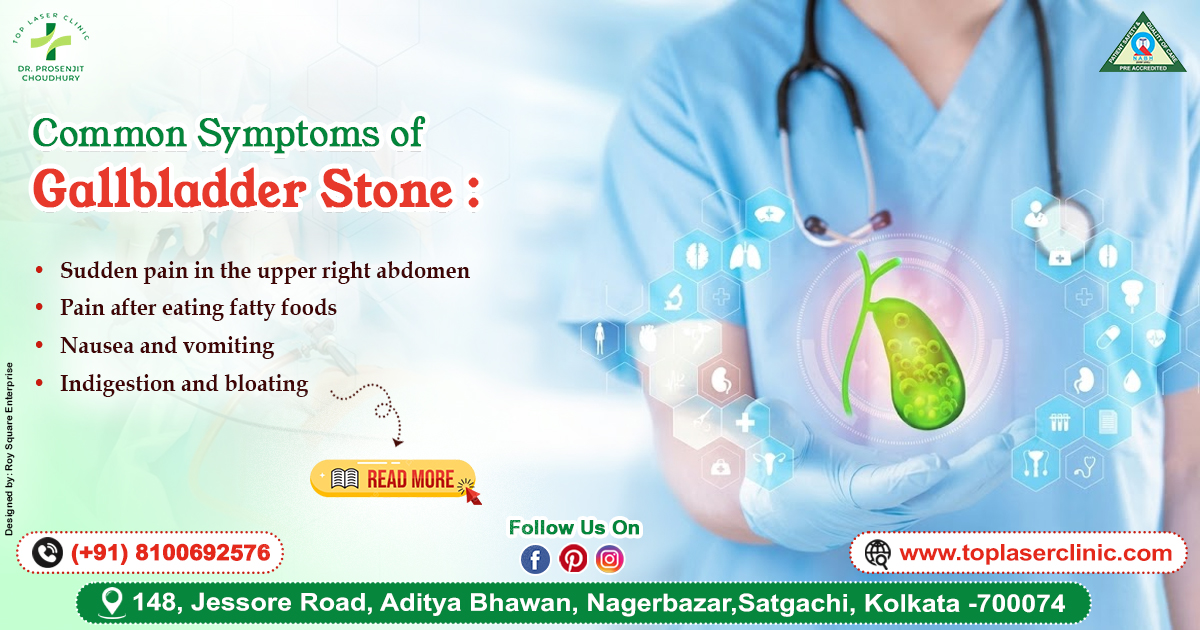
- Sudden pain in the upper right abdomen
- Pain after eating fatty foods
- Nausea and vomiting
- Indigestion and bloating
- Back pain between the shoulder blades
- Chest discomfort
- Fever and chills in case of infection
- Jaundice (yellowing of the skin and eyes)
What Is Laparoscopic Gallbladder Surgery?
Laparoscopic Gallbladder Surgery, also known as Laparoscopic Cholecystectomy, is the most commonly performed procedure for gallstone treatment.
During this minimally invasive procedure:
- Small incisions are made in the abdomen.
- A tiny camera is inserted to provide a clear surgical view.
- Specialized instruments are used to remove the gallbladder.
- The procedure is performed with minimal tissue damage.
Benefits of Laparoscopic Surgery
- Smaller scars
- Less pain
- Reduced bleeding
- Lower risk of infection
- Short hospital stay
- Faster recovery
- Quicker return to daily activities
Today, laparoscopic surgery is considered the gold standard treatment for symptomatic gallstones.
Recovery After Gallbladder Stone Surgery
Recovery is generally smooth and comfortable for most patients.
Immediately After Surgery
- Patients are monitored for a few hours.
- Walking is encouraged on the same day.
- Most patients return home within 24 hours.
First Week
- Mild discomfort may be present.
- Light activities can be resumed.
- Adequate hydration is important.
Within 2 to 4 Weeks
- Most patients return to normal routines.
- Surgical wounds heal gradually.
- Energy levels improve significantly.
Following the surgeon’s instructions helps ensure a safe and successful recovery.
Diet After Gallbladder Surgery
A healthy diet can help the digestive system adapt after surgery.
Foods to Eat
- Fresh fruits
- Green vegetables
- Whole grains
- Oatmeal
- Brown rice
- Lean chicken
- Fish
- Low-fat dairy products
- Plenty of water
Foods to Avoid Initially
- Fried foods
- Spicy foods
- High-fat meals
- Processed foods
- Fast food
- Excessive caffeine
- Sugary beverages
Helpful Tips
- Eat smaller meals throughout the day.
- Avoid overeating.
- Gradually reintroduce regular foods.
- Maintain a balanced diet.
Risks and Complications of Delaying Surgery
Ignoring symptomatic gallstones can lead to serious health problems.
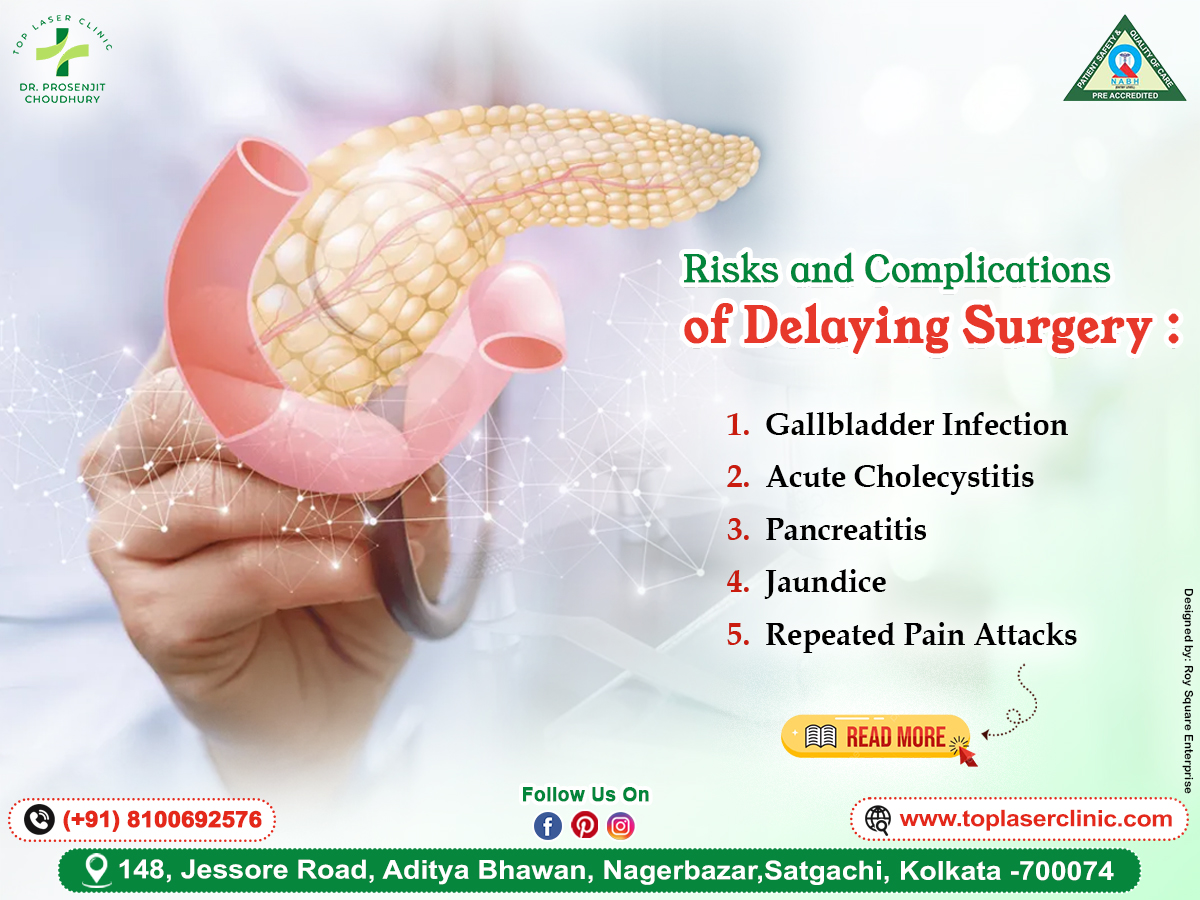
1. Gallbladder Infection
Blocked bile flow can cause severe infection and inflammation.
2. Acute Cholecystitis
This painful condition may require emergency surgery.
3. Pancreatitis
Gallstones can block pancreatic ducts, leading to dangerous inflammation.
4. Jaundice
Obstruction of bile ducts can result in yellowing of the skin and eyes.
5. Repeated Pain Attacks
Gallstone attacks often become more frequent and severe over time.
6. Emergency Hospitalization
Untreated complications may require urgent medical intervention.
Early treatment helps prevent these potentially serious complications.
Why Choose Dr. Prosenjit Choudhury, Top Laser Clinic?
When it comes to gallbladder stone surgery, choosing an experienced surgeon is essential for achieving the best outcomes.
Dr. Prosenjit Choudhury at Top Laser Clinic is an experienced General & Laparoscopic Surgeon in Kolkata, known for providing advanced surgical care with a patient-focused approach.
Patients trust Dr. Prosenjit Choudhury for:
- Accurate diagnosis
- Advanced laparoscopic procedures
- Personalized treatment plans
- Safe surgical techniques
- Faster recovery support
- Comprehensive patient care
Recognized by many patients as one of the best general surgeons in Kolkata, Dr. Prosenjit Choudhury is committed to delivering safe, effective, and minimally invasive treatment solutions for gallbladder stones and other surgical conditions.
Conclusion
Gallbladder stones can significantly affect your quality of life if left untreated. While some cases remain symptom-free, symptomatic gallstones often require surgical removal to prevent serious complications.
Laparoscopic gallbladder surgery offers a safe, effective, and minimally invasive solution with faster recovery and excellent outcomes. Early diagnosis and timely treatment can help you avoid pain, infection, and emergency situations.
If you are experiencing symptoms of gallstones or have been advised to undergo surgery, consulting an experienced laparoscopic surgeon can help you receive the right treatment at the right time and return to a healthy, pain-free life.
1. Is gallbladder stone surgery safe?
Yes. It is one of the safest and most commonly performed surgical procedures.
2. How long does the surgery take?
Typically between 30 minutes and 1 hour.
3. Will I have large scars?
No. Laparoscopic surgery uses very small incisions.
4. Is the surgery painful?
Most patients experience only mild discomfort after surgery.
5. How long is the hospital stay?
Many patients are discharged within 24 hours.
6. Can gallstones return after surgery?
No. Once the gallbladder is removed, gallstones cannot form in it again.
7. When can I return to work?
Most patients return to work within one to two weeks.
8. Can I live normally without a gallbladder?
Yes. The body can function normally without a gallbladder.
9. What foods should I avoid after surgery?
Initially avoid fatty, fried, and spicy foods.
10. When should I consult a surgeon?
Consult a surgeon if you experience recurrent abdominal pain, nausea, or diagnosed gallstones.

