Table of Contents
1. What Is Paraphimosis?
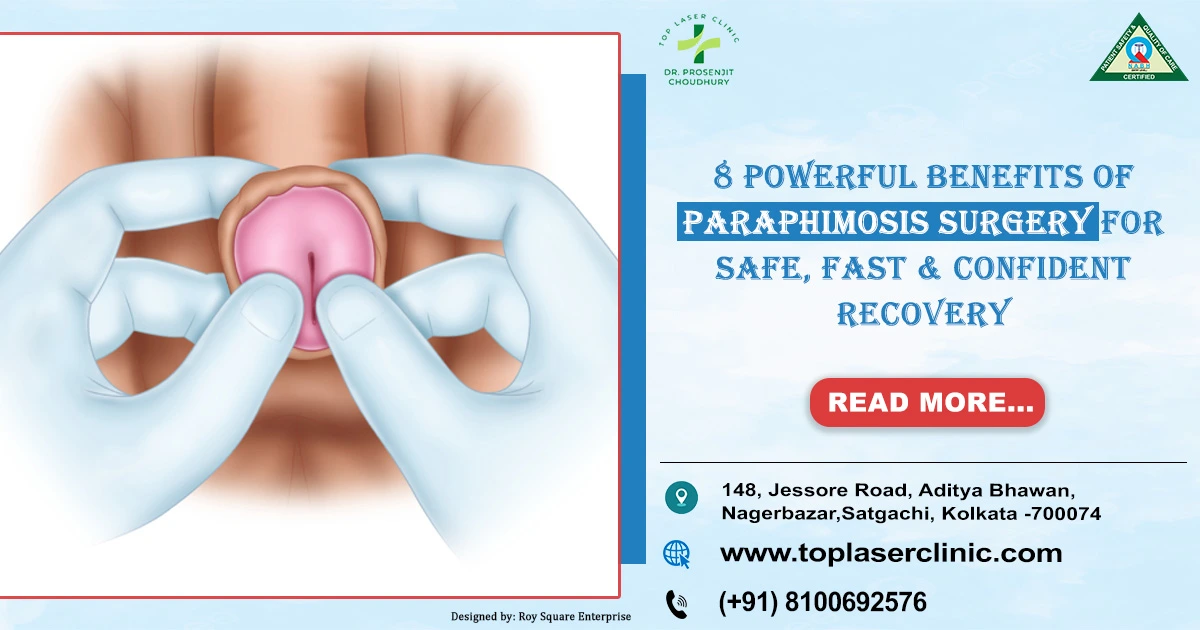
Paraphimosis is a serious medical condition that occurs in uncircumcised men when the foreskin of the penis is pulled back and cannot be returned to its normal position over the glans (head of the penis). As a result, the exposed glans becomes swollen, painful, and may develop reduced blood flow.
This condition is considered a urological emergency. If left untreated, paraphimosis can lead to tissue damage, infection, or even gangrene. Fortunately, with timely medical attention and modern surgical techniques, paraphimosis can be treated safely and effectively.
Paraphimosis surgery is often recommended when conservative methods fail or when the condition is severe or recurrent.
2. Types of Paraphimosis
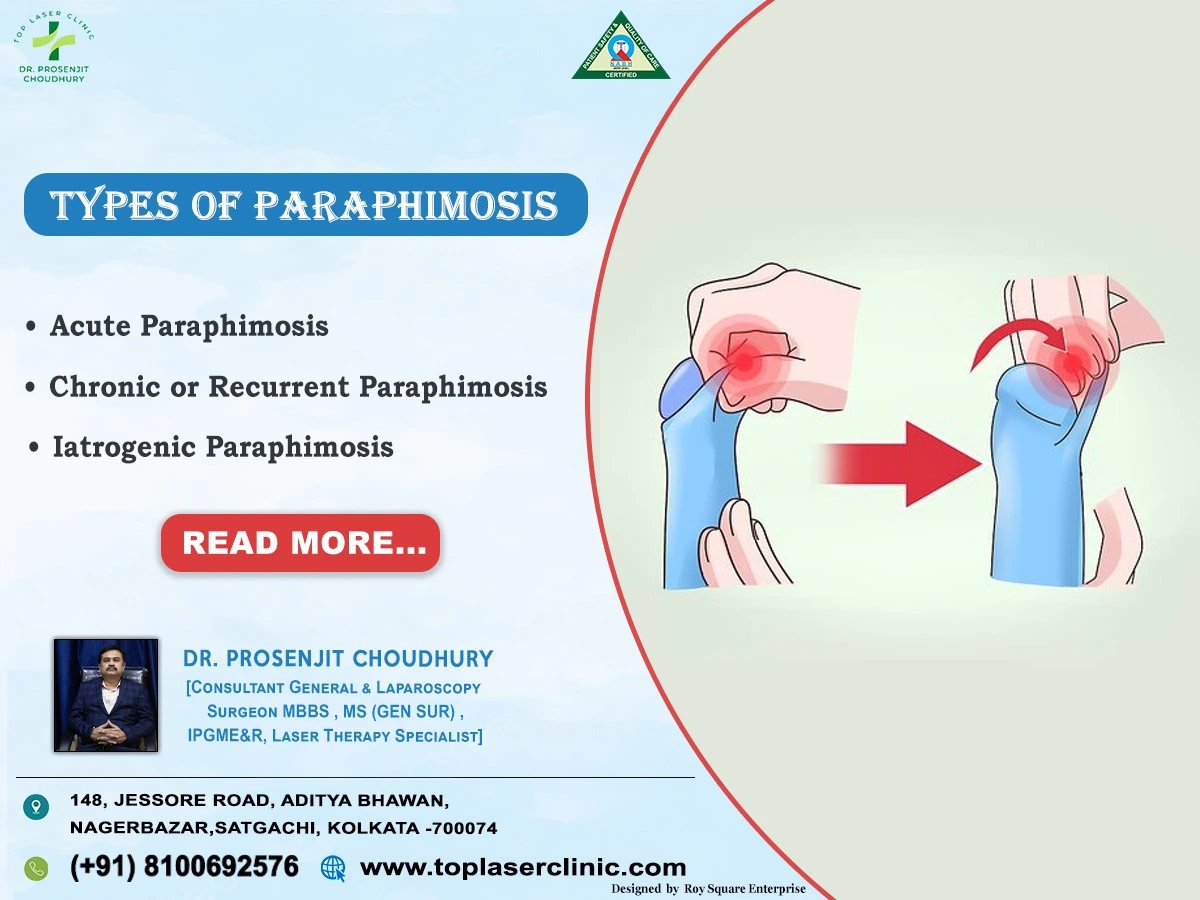
Paraphimosis can be classified based on severity and cause:
Acute Paraphimosis
- Sudden onset
- Severe swelling and pain
- Requires immediate medical attention
Chronic or Recurrent Paraphimosis
- Occurs repeatedly
- Often linked to poor foreskin hygiene or tight foreskin
- Surgery is usually advised
Iatrogenic Paraphimosis
- Occurs after medical procedures such as catheterization
- Common in hospitalized patients
Understanding the type helps determine whether surgery is necessary and what approach is best.
3. Causes of Paraphimosis
Several factors can lead to paraphimosis, including:
- Tight foreskin (phimosis)
- Poor genital hygiene
- Penile infections or inflammation
- Injury or trauma to the foreskin
- Improper retraction during medical procedures
- Swelling after sexual activity
- Diabetes-related infections
These causes increase swelling, making it difficult to reposition the foreskin.
4. Risk Factors
Certain conditions increase the risk of developing paraphimosis:
- Uncircumcised males
- Diabetes
- Poor personal hygiene
- Recurrent urinary or penile infections
- Advanced age
- Long-term catheter use
- Delayed medical care
People with these risk factors should seek early treatment to prevent complications.
5. Diagnosis
Diagnosis of paraphimosis is usually straightforward and does not require complex tests.
Doctors diagnose it through:
- Physical examination
- Assessment of swelling and blood flow
- Patient history
In most cases, immediate treatment begins after diagnosis to prevent further damage.
6. Treatment Options for Paraphimosis
Non-Surgical Treatment
- Manual reduction of the foreskin
- Ice packs to reduce swelling
- Compression techniques
- Medications to reduce inflammation
Paraphimosis Surgery
Surgery is recommended when:
- Non-surgical methods fail
- Swelling is severe
- Blood supply is compromised
- Paraphimosis keeps recurring
Surgical Options Include
- Dorsal slit procedure – relieves pressure quickly
- Circumcision – permanent solution, prevents recurrence
At Top Laser Clinic, advanced and minimally invasive surgical techniques are used to ensure patient comfort and quick recovery.
7. Recovery After Paraphimosis Surgery
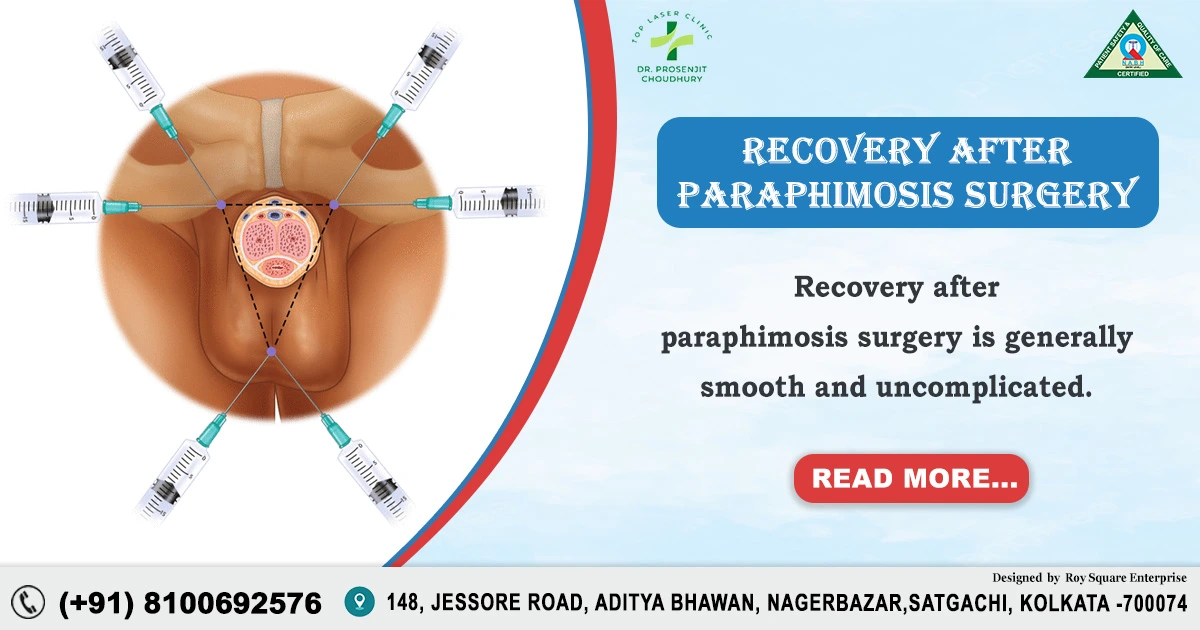
Recovery after paraphimosis surgery is generally smooth and uncomplicated.
What to Expect After Surgery
- Immediate relief from pain and pressure
- Reduced swelling within a few days
- Short hospital stay or day-care procedure
- Return to normal routine within 7–10 days
Post-Surgery Care Tips
- Maintain proper hygiene
- Take prescribed medications
- Avoid sexual activity for a few weeks
- Wear loose clothing
- Attend follow-up visits
Patients are often relieved by the quick improvement in comfort and confidence after surgery.
8. Possible Complications
Paraphimosis surgery is very safe when performed by an experienced surgeon. Rare complications may include:
- Mild bleeding
- Infection
- Temporary swelling
- Discomfort during healing
Severe complications are uncommon, especially when surgery is done at the right time.
9. Why Choose Dr. Prosenjit Choudhury, Top Laser Clinic
Choosing the right surgeon is crucial for sensitive conditions like paraphimosis.
Dr. Prosenjit Choudhury at Top Laser Clinic is highly trusted because:
- He is an experienced General & Laparoscopic Surgeon in Kolkata
- Skilled in managing emergency and elective urological surgeries
- Uses modern, patient-friendly surgical techniques
- Focuses on privacy, comfort, and safety
- Known by many as the best general surgeon in Kolkata
Patients under the care of Dr. Prosenjit Choudhury receive clear guidance, compassionate care, and reliable surgical results.
10. Conclusion
Paraphimosis is a serious but completely treatable condition when addressed on time. Delaying treatment can lead to unnecessary pain and complications, while early intervention offers fast relief and excellent outcomes.
Paraphimosis surgery provides a safe, permanent solution, especially for severe or recurrent cases. With modern techniques, recovery is quick, discomfort is minimal, and long-term results are highly satisfactory.
If you or a loved one is facing symptoms of paraphimosis, seeking expert care at Top Laser Clinic under Dr. Prosenjit Choudhury ensures timely treatment, professional handling, and peace of mind. Early action leads to better health, comfort, and confidence.
1. Is paraphimosis a medical emergency?
Yes, it requires immediate medical attention.
2. Is paraphimosis surgery painful?
Pain is minimal and controlled with anesthesia.
3. How long does the surgery take?
Usually 20–40 minutes.
4. Is circumcision always required?
Not always, but it is the most permanent solution.
5. Can paraphimosis recur after surgery?
Recurrence is very rare after circumcision.
6. How soon can I return to work?
Most patients return within a week.
7. Is hospitalization needed?
Usually a day-care procedure.
8. Can paraphimosis affect fertility?
No, when treated on time.
9. What happens if paraphimosis is ignored?
It can cause tissue damage and serious complications.
10. Who should perform paraphimosis surgery?
An experienced general or laparoscopic surgeon ensures safe outcomes.

