Table of Contents
Introduction
Hypothyroidism is one of the most common thyroid disorders affecting millions of people worldwide. It occurs when the thyroid gland does not produce enough thyroid hormones to keep the body functioning properly. Since thyroid hormones control metabolism, energy levels, body temperature, and many other important functions, an imbalance can affect overall health in several ways.
Many people ignore early symptoms like fatigue, weight gain, hair fall, and mood changes, assuming they are caused by stress or lifestyle habits. However, untreated hypothyroidism can lead to serious complications if not diagnosed on time.
This detailed guide will help you understand everything about hypothyroidism, including its causes, symptoms, diagnosis, treatment options, pregnancy concerns, complications, and when to seek medical advice.
What is Hypothyroidism?
Hypothyroidism, also known as an underactive thyroid, is a condition where the thyroid gland fails to produce enough thyroid hormones. The thyroid gland is a small butterfly-shaped gland located in the front of the neck.
These hormones mainly include:
- T3 (Triiodothyronine)
- T4 (Thyroxine)
They help regulate:
- Metabolism
- Heart rate
- Body temperature
- Digestion
- Energy production
- Brain function
When thyroid hormone levels become low, body functions slow down, leading to various physical and mental symptoms.
Causes of Hypothyroidism
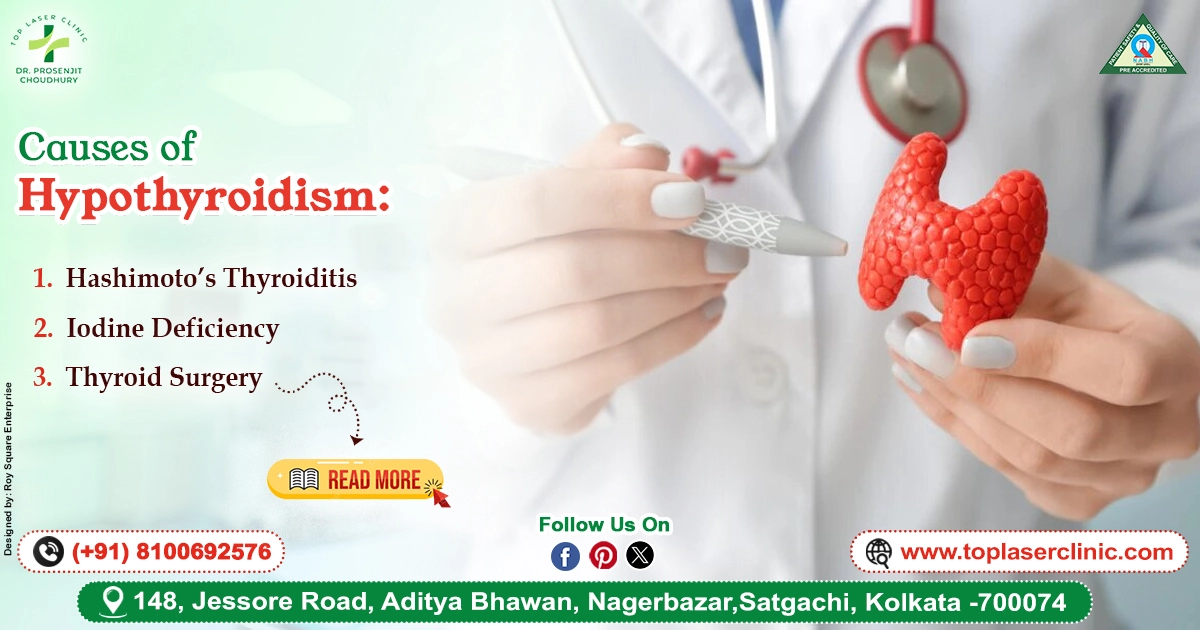
Several factors can lead to hypothyroidism. Some of the most common causes include:
This is an autoimmune disorder where the immune system attacks the thyroid gland.
2. Iodine Deficiency
Iodine is essential for thyroid hormone production. Low iodine intake can affect thyroid function.
3. Thyroid Surgery
Partial or complete removal of the thyroid gland may reduce hormone production.
4. Radiation Therapy
Radiation treatment around the neck can damage the thyroid gland.
5. Certain Medications
Some medicines used for heart disease, psychiatric conditions, or cancer may interfere with thyroid function.
6. Pregnancy-Related Hormonal Changes
Some women develop thyroid problems during or after pregnancy.
Common Symptoms of Hypothyroidism
Symptoms usually develop slowly and may become severe over time.
Common signs include:
- Constant fatigue
- Weight gain
- Dry skin
- Hair fall
- Depression
- Constipation
- Puffy face
- Slow heartbeat
- Muscle weakness
- Cold intolerance
- Heavy menstrual periods
- Difficulty concentrating
How Hypothyroidism Affects Weight
One of the most frustrating symptoms of hypothyroidism is unexpected weight gain.
The thyroid hormone controls metabolism. When hormone levels are low:
- Calories burn more slowly
- Fat accumulation increases
- Water retention occurs
- Energy levels decrease
This makes weight loss difficult even with exercise and dieting.
Many patients also experience bloating and swelling due to fluid retention. Proper thyroid treatment can help improve metabolism and support healthy weight management.
Diagnosis of Hypothyroidism
Early diagnosis is important to prevent complications.
Doctors usually recommend:
Thyroid Function Test
This blood test measures:
- TSH (Thyroid Stimulating Hormone)
- T3
- T4
High TSH and low T4 levels often indicate hypothyroidism.
Physical Examination
Doctors may check:
- Neck swelling
- Dry skin
- Slow pulse
- Reflex changes
Thyroid Ultrasound
Sometimes imaging tests are advised to evaluate thyroid abnormalities.
Timely diagnosis helps start treatment before symptoms become severe.
Best Treatment Options for Hypothyroidism
The main goal of treatment is to restore normal thyroid hormone levels.
1. Thyroid Hormone Replacement Therapy
Doctors commonly prescribe levothyroxine, a synthetic thyroid hormone.
It helps:
- Improve metabolism
- Reduce fatigue
- Control weight gain
- Restore energy levels
2. Regular Monitoring
Periodic blood tests help adjust medication dosage.
3. Healthy Diet
A balanced diet rich in nutrients supports thyroid health.
Foods beneficial for thyroid health:
- Fish
- Eggs
- Nuts
- Fresh fruits
- Green vegetables
- 4. Stress Management
Stress can worsen hormonal imbalance. Meditation and yoga may help.
For proper evaluation and thyroid-related surgical consultation, many patients trust Dr. Prosenjit Choudhury, an experienced General & Laparoscopic Surgeon in Kolkata associated with Top Laser Clinic.
Hypothyroidism During Pregnancy
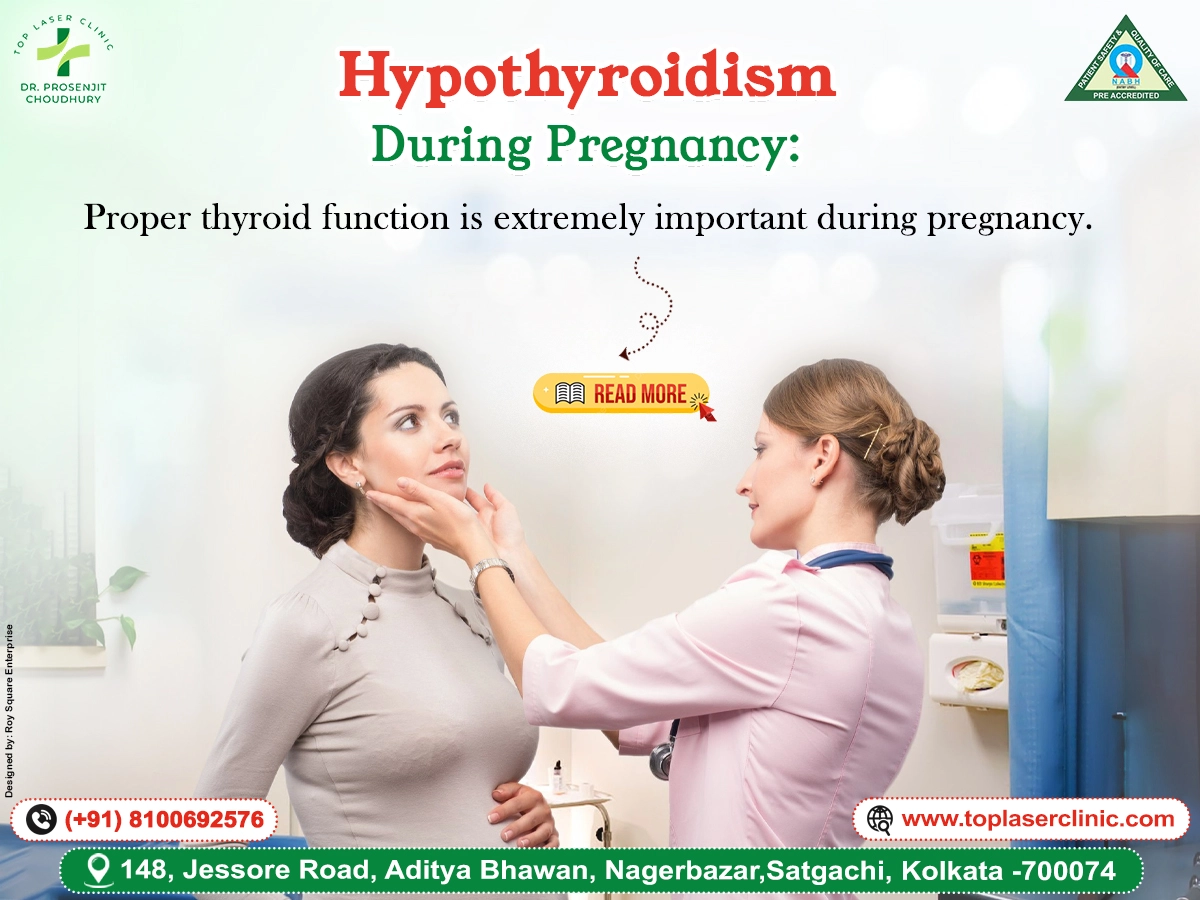
Proper thyroid function is extremely important during pregnancy.
Untreated hypothyroidism during pregnancy may increase the risk of:
- Miscarriage
- Premature birth
- High blood pressure
- Low birth weight
- Developmental issues in babies
Pregnant women with thyroid disorders require regular monitoring and medication adjustments to maintain healthy hormone levels.
Early treatment ensures better health outcomes for both mother and baby.
Complications of Untreated Hypothyroidism
Ignoring hypothyroidism for a long time can lead to serious health problems.
Possible complications include:
- Heart disease
- Infertility
- Obesity
- Depression
- High cholesterol
- Nerve damage
- Goiter
- Myxedema (a severe life-threatening condition)
This is why early diagnosis and treatment are extremely important.
When Should You See a Doctor?
You should consult a doctor if you experience:
- Persistent tiredness
- Sudden weight gain
- Hair loss
- Irregular menstrual cycles
- Neck swelling
- Depression
- Dry skin
- Constipation
Early medical attention can prevent complications and improve quality of life.
If thyroid problems require expert surgical evaluation, Dr. Prosenjit Choudhury at Top Laser Clinic offers advanced consultation and patient-focused care in Kolkata.
Why Choose Dr. Prosenjit Choudhury at Top Laser Clinic?
Choosing the right specialist is important for accurate diagnosis and effective treatment.
Why patients prefer Dr. Prosenjit Choudhury:
- Experienced General & Laparoscopic Surgeon in Kolkata
- Advanced patient-centered treatment approach
- Expertise in minimally invasive procedures
- Modern diagnostic support
- Focus on safe and effective care
- Personalized treatment plans
At Top Laser Clinic, patients receive professional care with modern medical facilities and expert guidance throughout treatment and recovery.
Many patients consider Dr. Prosenjit Choudhury among the best general surgeons in Kolkata for comprehensive surgical and thyroid-related healthcare support.
1. What is the main cause of hypothyroidism?
Hashimoto’s thyroiditis is one of the most common causes.
2. Can hypothyroidism cause weight gain?
Yes, low thyroid hormone levels slow metabolism and may lead to weight gain.
3. Is hypothyroidism permanent?
In many cases, it requires lifelong management with medication.
4. Can hypothyroidism be cured naturally?
Lifestyle changes may help support thyroid health, but medical treatment is usually necessary.
5. Is hypothyroidism common in women?
Yes, women are more likely to develop thyroid disorders.
6. Which test confirms hypothyroidism?
TSH, T3, and T4 blood tests help diagnose the condition.
7. Can hypothyroidism affect pregnancy?
Yes, untreated thyroid problems may affect both mother and baby.
8. What foods should thyroid patients avoid?
Highly processed foods and excessive sugary items should be limited.
9. Does exercise help hypothyroidism?
Yes, regular exercise helps improve metabolism and energy.
10. When should I consult a doctor for thyroid symptoms?
You should seek medical advice if symptoms persist for several weeks.
Conclusion
Hypothyroidism is a manageable condition when diagnosed and treated early. Understanding the symptoms, causes, and treatment options can help patients maintain better long-term health.
Ignoring thyroid symptoms may lead to complications affecting the heart, metabolism, fertility, and overall well-being. Regular checkups, a healthy lifestyle, proper medication, and timely medical consultation play a key role in managing hypothyroidism effectively.
If you are experiencing symptoms of thyroid imbalance or need expert guidance, consulting an experienced specialist can help ensure proper diagnosis and treatment at the right time.

