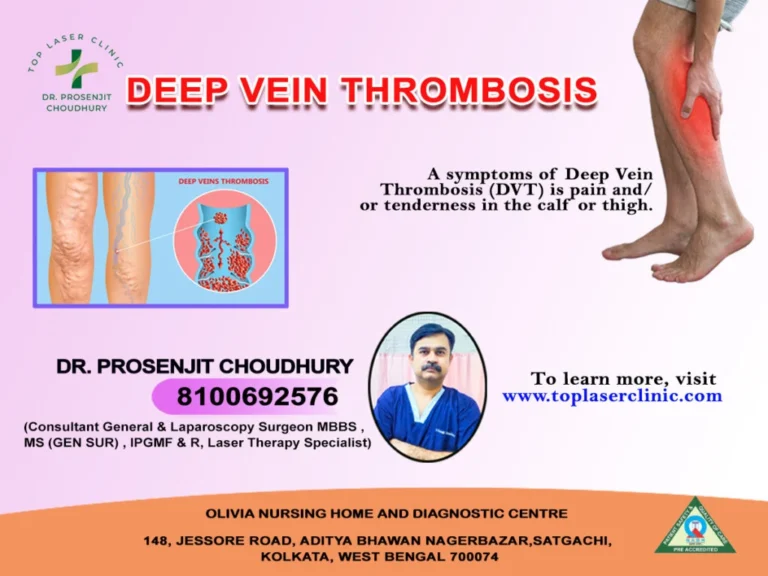
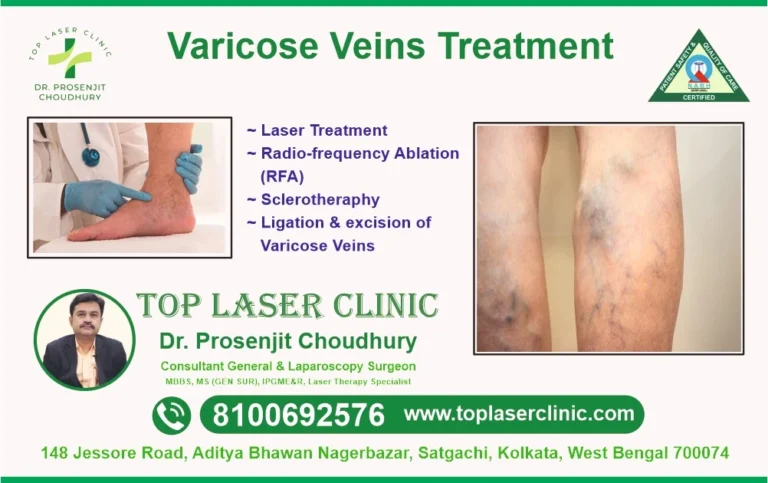
Deep vein thrombosis (DVT)and varicose veins are two distinct conditions related to the veins, but they have different causes, symptoms, and implications. Here’s a breakdown of the differences between DVT and varicose veins:
Table of Contents
1. Causes:
>DVT:Deep vein thrombosis occurs when a blood clot forms in one of the deep veins, usually in the legs. It can be caused by factors such as prolonged immobilization (e.g., after surgery or during long flights), injury to a vein, certain medical conditions (e.g., cancer, heart failure), hormonal changes (e.g., pregnancy, birth control pills), or genetic predisposition.
>Varicose Veins:Varicose veins, on the other hand, develop when the valves within the superficial veins of the legs malfunction. The weakened or damaged valves result in blood pooling in the veins, causing them to enlarge and become varicose. Varicose veins are primarily influenced by genetic factors, age, and lifestyle factors such as obesity and prolonged standing or sitting.
2. Vein Involvement:
>DVT: Deep vein thrombosis affects the deep veins, which are located within the muscles of the legs or arms.
>Varicose Veins: Varicose veins primarily affect the superficial veins, which are closer to the skin surface and are more visible. They are commonly found in the legs, specifically in the saphenous veins.
3. Symptoms:
>DVT: Symptoms of DVT may include pain or tenderness in the affected leg, swelling, warmth, redness, and sometimes a noticeable discoloration of the skin.
>Varicose Veins: Symptoms of varicose veins often include visible enlarged and twisted veins, aching or heavy feeling in the legs, swelling, itching, and skin discoloration around the affected veins.
4. Complications:
>DVT: One of the significant concerns with DVT is the potential for the blood clot to break loose and travel through the bloodstream, leading to a pulmonary embolism (a blockage in the lung’s blood vessels). This can be life-threatening.
>Varicose Veins: While varicose veins usually do not pose serious health risks, they can cause discomfort, pain, and aesthetic concerns for individuals. In some cases, they may lead to complications such as skin ulcers or bleeding.
5. Treatment:
>DVT: Treatment for DVT typically involves the use of blood thinners (anticoagulants) to prevent the clot from growing and to reduce the risk of pulmonary embolism. In some cases, more invasive procedures may be necessary to remove or dissolve the clot.
> Varicose Veins: Treatment options for varicose veins include lifestyle changes (such as regular exercise, weight management, and avoiding prolonged periods of sitting or standing), wearing compression stockings, sclerotherapy (injection of a solution into the vein to close it), laser treatments, or surgical interventions (such as vein stripping or endovenous procedures).
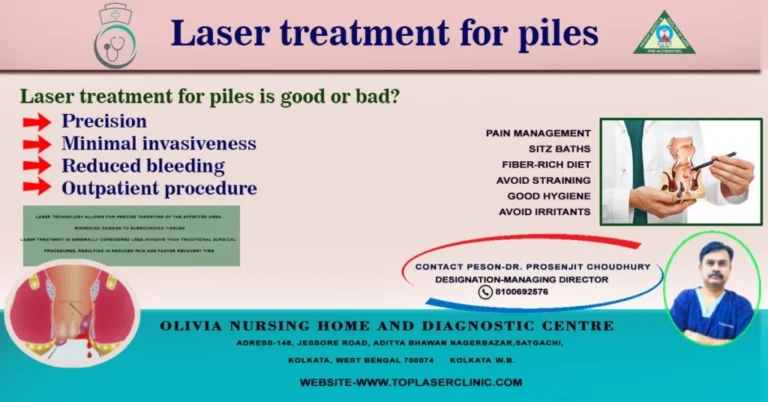
Laser treatment for piles, also known as hemorrhoids, has gained popularity in recent years due to its numerous advantages over traditional surgical methods. Laser treatment for piles is considered to be a good option for many patients. However, it is important to note that the appropriateness of laser treatment may vary depending on the severity and type of hemorrhoids, as well as the individual’s overall health condition.
Advantages of laser treatment for piles include:
Precision: Laser technology allows for precise targeting of the affected area, minimizing damage to surrounding tissues.
Minimal invasiveness: Laser treatment is generally considered less invasive than traditional surgical procedures, resulting in reduced pain and faster recovery time.
Reduced bleeding: The laser cauterizes blood vessels during the procedure, leading to reduced bleeding and a lower risk of complications.
Outpatient procedure: In many cases, laser treatment for piles can be performed on an outpatient basis, allowing patients to return home the same day.
The noninvasive and painless nature of laser treatment for piles makes it a suitable option for patients seeking a less invasive alternative to traditional surgical methods. Studies have indicated that laser treatment for piles can effectively reduce the size of hemorrhoids, alleviate symptoms such as bleeding and pain, and Numerous studies have demonstrated the effectiveness of laser treatment for piles in relieving symptoms, reducing hemorrhoid size, and improving overall quality of life for patients by providing long-term relief.
Additionally, laser treatment for piles is associated with fewer complications and a lower risk of relapse compared to traditional surgical methods:
Effectiveness for severe cases:
Laser treatment may be more suitable for milder cases of hemorrhoids. In more severe cases, alternative treatments or surgical options may be more effective.
Cost:
Laser treatment for piles can be more expensive than other treatment options, as it involves specialized equipment and expertise.
Availability:
Not all healthcare facilities or specialists may offer laser treatment for piles, limiting its accessibility in certain areas.
Potential risks:
Although complications are rare, laser treatment can still carry risks such as infection, scarring, or damage to nearby structures if not performed correctly.
Furthermore, it is always recommended to consult with a healthcare professional to determine the most appropriate treatment option for each individual case.
Side effects of laser treatment for piles:
Among the various treatment options available for piles, laser treatment has gained popularity due to its effectiveness and minimal invasiveness. However, like any medical procedure, laser treatment for piles can also have potential side effects. It is important to understand and consider these potential side effects before opting for laser treatment.These side effects are generally rare and typically mild.
Some possible side effects of laser treatment for piles may include:
Pain or discomfort:
After the procedure, it is common to experience some pain or discomfort in the treated area. This can usually be managed with pain medications prescribed by your healthcare provider.
Bleeding:
Although laser treatment is designed to reduce bleeding during the procedure, there may still be some minimal bleeding afterward. It is typically minor and resolves on its own.
Swelling and inflammation:
Temporary swelling and inflammation of the treated area may occur following laser treatment. This can be managed with ice packs and medications as advised by your doctor.
Infection:
While infection is rare, there is a small risk associated with any medical procedure. It is important to follow proper post-procedure care instructions, including keeping the treated area clean and following any prescribed antibiotic regimen, if applicable.
Scarring:
Laser treatment is generally associated with minimal scarring compared to traditional surgical procedures. However, in rare cases, scarring may occur, particularly if the treatment is not performed correctly or if there are complications.
Changes in bowel habits:
Some individuals may experience temporary changes in bowel habits, such as diarrhea or constipation, following laser treatment. These changes typically resolve within a short period.
Furthermore, the effectiveness of laser treatment for piles may vary depending on factors such as the wavelength or output of the laser and the duration of treatment. Therefore, it is essential to conduct further research to determine the optimal conditions for laser treatment that provide high treatment efficacy. Moreover, it is important to note that laser treatment for piles may not be suitable for all individuals.
In certain cases, such as severe or complicated piles, other treatment options such as hemorrhoidectomy or a combination of procedures may be necessary. In conclusion, while laser treatment for piles is generally considered to be a safe and effective option, it is important to discuss the potential side effects and limitations of laser treatment with a qualified medical professional.
Management and Prevention of Side Effectsof laser treatment for piles:
To manage and prevent side effects of laser treatment for piles, there are several steps that can be taken.
Pain management:
Mild to moderate pain may occur after laser treatment. Your healthcare provider may prescribe pain medications or recommend over-the-counter pain relievers to manage discomfort. Applying ice packs to the treated area can also help reduce pain and swelling.
Sitz baths:
Taking warm sitz baths (sitting in a tub filled with warm water) for about 15-20 minutes several times a day can help relieve pain, reduce inflammation, and promote healing. Avoid using any harsh soaps or perfumed products in the bathwater.
Fiber-rich diet:
Consuming a high-fiber diet can help prevent constipation, which is a common trigger for hemorrhoids. Include plenty of fruits, vegetables, whole grains, and legumes in your meals. Adequate hydration is also important to soften stools and ease bowel movements.
Avoid straining:
Straining during bowel movements can worsen hemorrhoids. To prevent this, try not to delay or forcefully strain when you feel the urge to have a bowel movement. If necessary, use stool softeners or fiber supplements recommended by your doctor.
Good hygiene:
Maintaining proper hygiene is crucial to prevent infection and promote healing. Clean the treated area gently with plain water or mild unscented soap and pat it dry with a soft towel. Avoid using rough toilet paper and opt for moistened wipes instead.
Avoid irritants:
Refrain from using harsh soaps, perfumed products, or any other potential irritants in the treated area. These can cause further discomfort or slow down the healing process.
Furthermore, regular follow-up with your healthcare provider is essential to monitor your progress and address any concerns or complications that may arise.
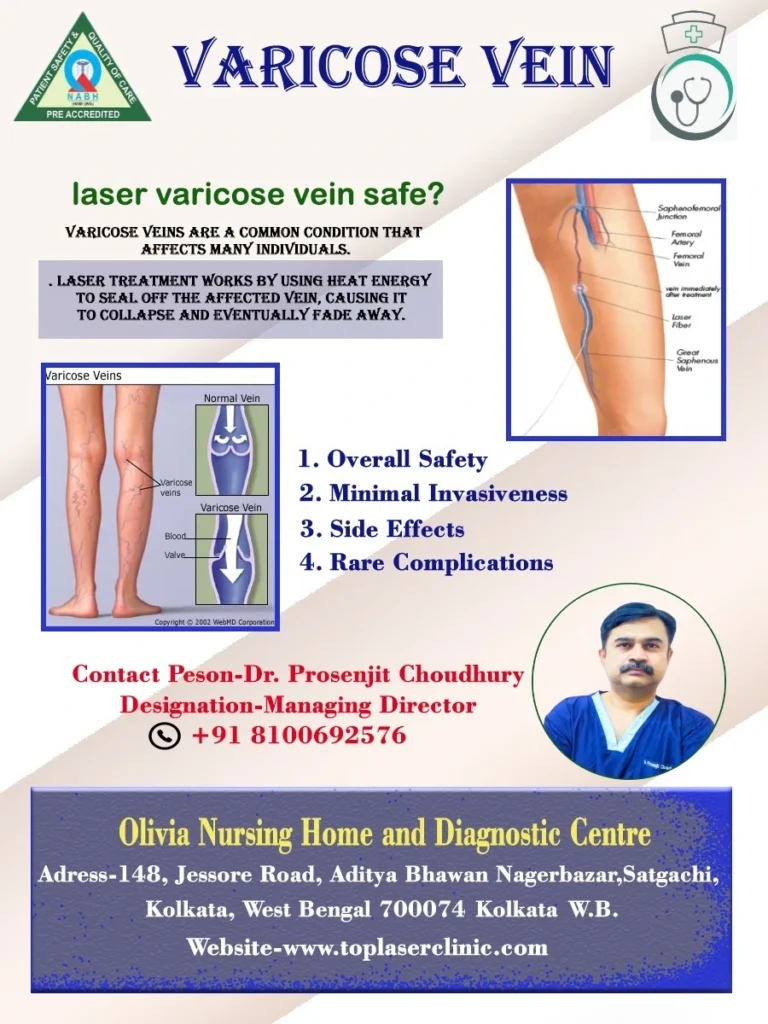
Varicose veins are a common condition that affects many individuals. One of the treatment options for varicose veins is laser treatment, also known as endovenous laser ablation. Laser treatment for varicose veins is generally considered safe when performed by a qualified healthcare professional. Laser treatment works by using heat energy to seal off the affected vein, causing it to collapse and eventually fade away.
This minimally invasive procedure has shown to be effective in treating varicose veins and is widely used worldwide. Extensive research and clinical studies have demonstrated the safety and efficacy of laser treatment for varicose veins. EVLT, or endovenous laser ablation, is a safe and effective procedure for the treatment of lower-extremity varicose veins (Chung et al., 2022). It is important to note that like any medical procedure, laser treatment for varicose veins does carry some potential risks and side effects.
These risks can include minor complications such as pain, bruising, erythema (redness), hematoma (blood clot), hyperpigmentation (darkening of the skin), teleangiectatic matting (formation of fine red veins), and nerve injury. However, it is crucial to remember that these complications are relatively rare and typically resolve on their own over time. Furthermore, the overall safety of laser treatment for varicose veins has been found to be better than traditional methods such as vein stripping and ligation.
Laser treatment for varicose veins has a high success rate with occlusion rates of up to 95%. It is a versatile treatment option that can be used to treat various types of veins, including the great saphenous vein and short saphenous vein. Untreated varicose veins can lead to pain, thrombophlebitis, bleeding, chronic venous insufficiency, and venous ulcers.
Here are some key points regarding the safety of laser varicose vein treatment :
1.Overall Safety:
laser varicose vein treatment has been performed for many years with a good safety record. It is considered a safe alternative to traditional surgical procedures like vein stripping.
2.Minimal Invasiveness:
The procedure is minimally invasive, typically performed on an outpatient basis. It involves inserting a laser fiber into the affected vein through a small incision, delivering laser energy to seal the vein and redirect blood flow to healthier veins.
3.Side Effects:
Common side effects of varicose vein treatment may include bruising, swelling, temporary discomfort, and skin discoloration around the treated area. These effects are generally mild and temporary, resolving on their own within a few weeks.
4.Rare Complications:
While rare, there is a small risk of potential complications such as infection, nerve damage, blood clot formation, or skin burns. However, these complications are relatively uncommon.
Therefore, undergoing laser treatment for varicose veins can not only provide relief from symptoms but also help prevent potential complications. In conclusion, laser treatment for varicose veins is a safe and effective option for individuals seeking relief from the symptoms of varicose veins.
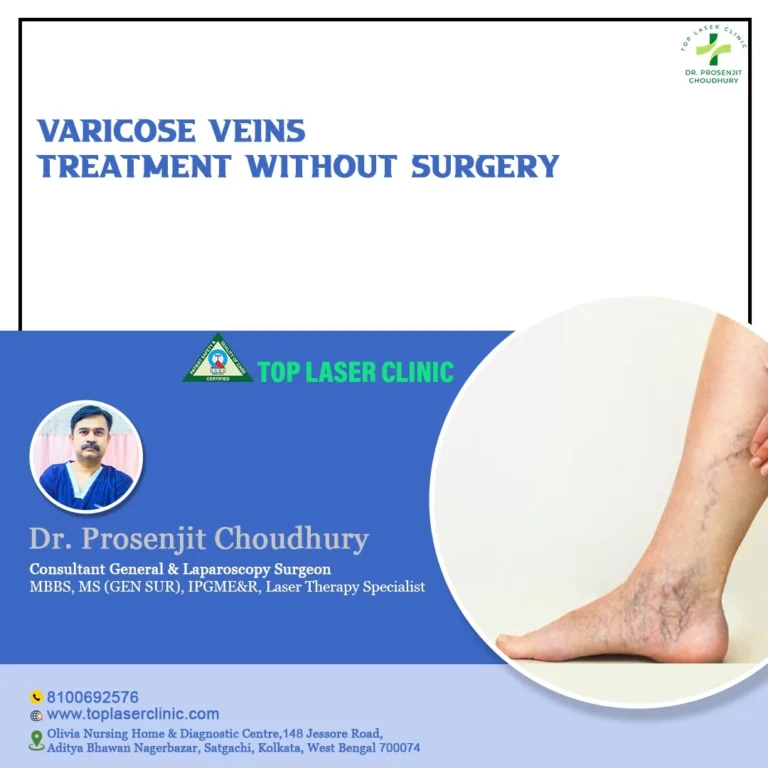
Varicose veins treatment without Surgery is very helpful to human beings. Varicose veins are a common condition that affects millions of people worldwide, especially women. They not only cause distressing physical symptoms like aching, swelling, and venous ulceration but also affect the appearance of your legs. While surgery is a traditional treatment option, it may not be suitable for everyone. Fortunately, there are non-surgical treatment options that can help reduce the symptoms of varicose veins and improve their appearance.
Patient complaints and solutions
The presenting complaints of patients with varicose veins often include cosmetic concerns, physical symptoms such as pain and swelling, or medical complications. Moreover, some patients have fears and concerns about the potential harm varicose veins could cause. For those patients who want to avoid surgery, non-surgical treatment options are increasingly available and effective. Some common treatment options include wearing graduated compression stockings, taking oral venotonic medication, and undergoing percutaneous or endovascular techniques. Graduated compression stockings are a low-risk, non-invasive treatment option for varicose veins .
They work by improving blood circulation and preventing the pooling of blood in the veins. Another non-surgical option is taking oral venotonic medication, which can help improve vein tone and reduce inflammation. Newer non-surgical techniques for treating varicose veins include percutaneous and endovascular techniques, which are minimally invasive procedures that use lasers or radiofrequency to treat the affected veins.
It is important to note that non-surgical treatments cannot entirely cure varicose veins but can effectively manage the symptoms associated with them. While surgical intervention has been the primary treatment for symptomatic varicose veins of the lower limbs in the past, non-surgical options are now available that can provide effective relief from the physical symptoms and improve the appearance of varicose veins without the need for surgery.
While surgery has been the traditional treatment for varicose veins, non-surgical options have emerged that can provide relief from physical symptoms and improve appearance.Varicose veins can not only cause a range of physical symptoms such as pain, swelling, and venous ulceration but are also often a cosmetic concern. For those who wish to avoid surgery, there are non-surgical treatment options such as wearing graduated compression stockings, taking oral venotonic medication, and undergoing minimally invasive procedures like percutaneous or endovascular techniques that can effectively manage physical symptoms and improve the appearance of varicose veins.
It is important to note that while these non-surgical treatments cannot completely cure varicose veins, they can be a safe and effective option for those who wish to avoid surgery or for those who are not eligible for surgical intervention due to other medical conditions. Graduated compression stockings work by exerting graduated pressure on the leg, which improves blood circulation and helps prevent pooling of blood in the veins. This can lead to reduced swelling and pain in the legs.
Newer Non-Surgical option for varicose vein problem
Oral venotonic medication is another non-surgical option that can help improve vein tone and reduce inflammation. Additionally, newer non-surgical techniques for treating varicose veins have emerged that are minimally invasive and can effectively manage the symptoms associated with them.
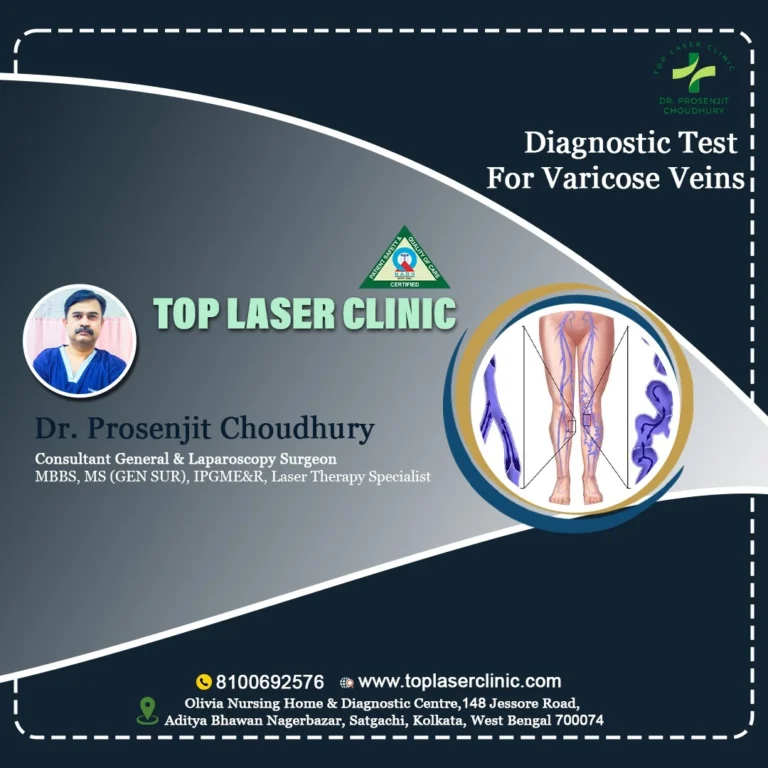
When diagnosing varicose veins, healthcare professionals typically start with a physical examination and medical history review for Diagnostic test for varicose veins. The doctor will assess the appearance and location of the veins, as well as inquire about any symptoms you may be experiencing.
In addition to the physical examination, there are several diagnostic tests that can provide more detailed information about the condition of the veins and help guide treatment decisions. These tests may include:
1. Doppler Ultrasound:
Doppler ultrasound is a commonly used imaging test for evaluating varicose veins. It uses sound waves to visualize the blood flow in the veins and assess the functioning of the valves. This test can help identify areas of reflux (backward flow) and determine the extent and severity of the varicose veins.
2. Duplex Ultrasound :
Duplex ultrasound combines traditional ultrasound imaging with Doppler ultrasound. It provides detailed images of the veins and their surrounding structures while simultaneously evaluating the blood flow. Duplex ultrasound can help identify any blood clots or other abnormalities in the veins.
3. Venogram :
Venogram involves injecting a contrast dye into the veins and taking X-ray images to visualize the blood flow. This test is usually used in more complex cases or when other imaging tests have not provided sufficient information.
4. Magnetic Resonance Venography (MRV):
MRV is a non-invasive imaging technique that uses magnetic resonance imaging (MRI) technology to visualize the veins and blood flow. It can provide detailed images of the veins without the need for contrast dye.
These diagnostic tests help determine the location, extent, and severity of varicose veins and provide valuable information to guide treatment decisions.
Radiofrequency ablation varicose veins
Radiofrequency ablation (RFA) is a minimally invasive procedure used to treat varicose veins. It is a form of endovenous thermal ablation, meaning it involves using heat to close off and seal the affected veins.
During the RFA procedure for varicose veins, the healthcare professional inserts a thin catheter into the diseased vein under ultrasound guidance. The catheter delivers radiofrequency energy to the vein wall, causing it to heat up and contract. The heat generated by the radiofrequency energy destroys the vein, leading to its closure. The procedure is usually performed under local anesthesia or mild sedation.
Radiofrequency ablation offers several advantages as a treatment option for varicose veins
1. Minimally Invasive :
RFA is a minimally invasive procedure that can be performed in an outpatient setting. It typically requires only a small incision or needle puncture, resulting in less scarring and a faster recovery compared to traditional vein-stripping surgery.
2. High Success Rate:
RFA has shown high success rates in closing off the treated veins, relieving symptoms, and improving the appearance of varicose veins.
3. Reduced Pain and Bruising :
RFA causes less pain and bruising compared to traditional surgery. Many patients report minimal discomfort and a quicker return to normal activities.
4. Quick Recovery:
Recovery after RFA is generally faster than after surgical procedures. Most individuals can resume regular activities within a few days to a week after the procedure.
5. Effective and Long-lasting Results:
RFA provides long-term relief from varicose veins by addressing the underlying cause. The treated veins are closed off, and blood flow is rerouted to healthier veins, improving circulation and reducing symptoms.
It’s important to note that RFA is not suitable for all cases of varicose veins. A thorough evaluation and consultation with a healthcare professional, such as a vascular specialist, are necessary to determine the most appropriate treatment approach based on individual circumstances and vein condition.
Is Ice pack good for varicose veins?
Applying an ice pack or cold compress to varicose veins can provide temporary relief for symptoms such as pain, swelling, and discomfort. The cold temperature helps constrict the blood vessels and can temporarily reduce inflammation and numb the area.
Here are some tips for using an ice pack on varicose veins:
1. Prepare the ice pack:
Fill a sealable plastic bag with crushed ice or use a gel ice pack. Alternatively, you can wrap ice cubes in a thin cloth or towel.
2. Protect your skin:
To prevent direct contact between the ice pack and your skin, wrap it in a thin cloth or towel. This helps avoid potential damage to the skin from extreme cold.
3. Apply the ice pack:
Gently apply the wrapped ice pack to the affected area of varicose veins. Hold it in place for about 15-20 minutes.
4. Take breaks:
It’s important not to apply ice directly to the skin for an extended period. Take breaks between applications to allow the skin to warm up.
5. Elevate your legs:
While using the ice pack, consider elevating your legs to help reduce swelling and improve circulation. Prop up your legs with a pillow or cushion.
6. Follow a safe routine:
Avoid leaving the ice pack on for too long or applying excessive pressure to the varicose veins. Be mindful of your comfort level and discontinue use if you experience any adverse effects.
Keep in mind that using an ice pack provides temporary relief and does not address the underlying causes of varicose veins.
What is varicose vein pillow?
A varicose veins pillow, also known as an elevating leg rest pillow or wedge pillow, is a specialized pillow designed to elevate the legs while lying down. These pillows are often recommended to individuals with varicose veins or other conditions that benefit from leg elevation, such as swelling, edema, or venous insufficiency.
Varicose veins pillows typically have a wedge shape or a contoured design that allows for comfortable elevation of the legs and proper support. They are usually made of foam or memory foam to provide cushioning and maintain their shape.
The primary purpose of a varicose veins pillow is to promote proper blood circulation and reduce venous congestion in the legs. By elevating the legs above the level of the heart, these pillows help facilitate the return of blood flow from the lower extremities, reducing the pooling of blood in the veins and alleviating symptoms associated with varicose veins.
When using a varicose veins pillow, it’s important to position it correctly. Place the pillow under the lower legs or calves, ensuring that the heels are fully supported. This allows for a gradual elevation of the legs while keeping the knees slightly bent for added comfort.
While varicose veins pillows can provide temporary relief and improve circulation, they do not address the underlying causes of varicose veins. They are typically used as part of a comprehensive treatment approach that may include lifestyle modifications, compression therapy, and medical interventions, depending on the severity and symptoms of the varicose veins.
Varicose veins are a common condition that affects both men and women alike. They occur when the veins become enlarged, twisted, and swollen due to weakened or damaged valves. Many people suffer from varicose veins, and although they can be asymptomatic and only a cosmetic issue for some individuals, others may experience unpleasant symptoms such as heaviness, aching, itching, swelling, restlessness and cramps.
Compression stockings are frequently recommended as the first treatment option for patients with varicose veins. These stockings can improve symptoms such as pain, fatigue, swelling, and superficial venous thrombus.
Graduated compression stockings provide continuous support to the legs and improve blood flow, reducing pressure on valves and veins.
Here’s how compression stockings can be beneficial :
Improved blood flow
Compression stockings apply gentle pressure to the legs, helping to squeeze the veins and improve blood flow. This compression assists the valves in the veins, preventing blood from pooling and reducing venous congestion. By promoting better circulation, compression stockings can alleviate symptoms associated with varicose veins, such as pain, swelling, and heaviness.
Reduced swelling
Varicose veins can cause swelling in the legs and ankles due to fluid buildup. Compression stockings provide external support to the veins, helping to reduce swelling by preventing fluid from accumulating in the tissues. The graduated pressure from compression stockings is highest at the ankles and gradually decreases up the leg, aiding in fluid movement back towards the heart.
Prevention of blood clots
Varicose veins are associated with an increased risk of developing blood clots (deep vein thrombosis). Compression stockings can help reduce this risk by improving blood flow and preventing blood from stagnating in the veins.
Symptom relief
Wearing compression stockings can alleviate discomfort and symptoms associated with varicose veins, such as pain, aching, cramping, and fatigue in the legs. The compression provided by the stockings can help individuals with varicose veins engage in daily activities with greater ease and comfort.
Compression therapy using stockings
Compression therapy using stockings has been shown to relieve symptoms in many patients, although it is not effective in slowing the progression of varicose veins or preventing their recurrence. It’s worth noting that patient compliance can be low, as the stockings may be uncomfortable to wear.
Compression stockings are an effective non-surgical option for preventing and treating varicose veins of the lower limbs. Compression stockings work by exerting external pressure on the limbs, reducing vein diameter and increasing blood flow.
Compression stockings are snug-fitting, elastic garments that can help treat varicose veins by providing a graduated amount of pressure from the ankle to the thigh. Flat and circular knitting techniques are utilized to produce compression hosieries. It’s important to note that compression stockings should only be used after consulting with a doctor and undergoing an evaluation.
In conclusion, if you are suffering from critical varicose veins and looking for a non-surgical treatment option that is absolutely effective in reducing symptoms such as pain, swelling and fatigue, compression stockings may be a viable option.
However, it’s essential to remember that compression stockings may not prevent the recurrence of varicose veins or slow their progression. Furthermore, wearing compression stockings may be uncomfortable and require patient compliance. It is important to note that compression stockings are available in various strengths and lengths, and they should be properly fitted to ensure effectiveness. Your healthcare provider or a trained professional can guide you in selecting the appropriate compression stockings and provide instructions on how to wear them correctly.
While compression stockings can offer symptom relief and help manage varicose veins, they do not eliminate the underlying venous insufficiency. Therefore, it is crucial to consult with your doctor and follow their instructions closely. In addition, it’s important to note that while varicose veins may only be a cosmetic issue for some individuals and not produce symptoms, others may experience significant discomfort. Compression stockings can provide significant relief from these symptoms and improve the quality of life for those suffering from varicose veins.
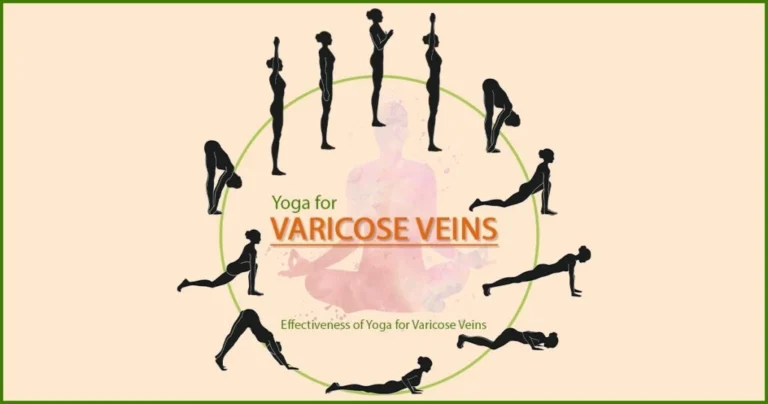
Varicose veins are a common condition in which the veins become swollen, twisted and enlarged. Yoga Asana for varicose veins is one of the best natural remedies for varicose veins as it can help improve blood flow and circulation. Several yoga asanas can be practiced to alleviate the symptoms of varicose veins. Some of the best yoga asanas for varicose veins include:
Table of Contents
Yoga Asana for varicose veins OR mudra for varicose veins
Yoga Asana for varicose veins
Viparita Karani (Legs-Up-The-Wall Pose):
Lie on your back and place your legs vertically up against a wall. This pose helps to drain stagnant blood from the legs and improve circulation.
Sarvangasana (Supported Shoulder Stand):
Lie on your back and lift your legs, hips, and lower back off the ground, supporting your lower back with your hands. This inverted pose can help improve blood flow from the legs back to the heart.
Pawanmuktasana (Wind relieving pose) one of the Yoga Asana for varicose veins:
Lie on your back and keep your arms alongside your body with your palms facing down. Bend your knees and bring them towards your chest. Interlace your fingers and hold onto your shin just below the knees. Gently lift your head and shoulders off the ground, bringing your nose closer to your knees. As you exhale, gently hug your knees into your chest, applying a light pressure. Hold the pose for a few breaths, allowing your lower back to relax and release any tension. On an inhale, release the pose and return your feet to the ground, relaxing your legs and arms.Top of Form
Tadasana (Mountain Pose):
Stand tall on your mat with your feet together or hip-width apart. Distribute your weight evenly across both feet.Engage your leg muscles by lifting your kneecaps and firming your thighs. Lengthen your tailbone toward the floor, creating a slight engagement in your lower abdomen and a natural curve in your lower back. Roll your shoulders back and down, allowing your chest to open. Relax your arms by your sides with your palms facing forward. Elongate your neck and gently tuck your chin in slightly, aligning it with the floor.
Soften your facial muscles and keep your gaze forward or slightly upward, finding a focal point to help maintain balance. Take slow and deep breaths, allowing your body to feel grounded and steady in this posture.Hold the pose for 30 seconds to 1 minute, or as long as feels comfortable for you. To release the pose, gently relax your arms and step your feet apart. This is one of the most popular Yoga Asana for varicose veins
Shavasana (Corpse Pose):
Lie down on your back on a yoga mat or a comfortable surface. Extend your legs straight and let them relax, allowing your feet to fall open naturally. Place your arms alongside your body, slightly away from your torso, with your palms facing up. Allow your fingers to naturally curl. Close your eyes and bring your awareness to your breath. Take slow, deep breaths, allowing your belly to rise and fall with each inhale and exhale. Allow your mind to become still and observe any thoughts or sensations that arise without getting attached to them. Simply let them pass by. Stay in Shavasana for about 5 to 15 minutes, or as long as you desire.
Lie on your back with your legs extended. Bend one knee and bring the thigh close to your chest. Use a strap or towel around the ball of your foot and gently straighten your leg upwards. This pose helps stretch the hamstrings and calf muscles, promoting better circulation. This is one of the most popular Yoga Asana for varicose veins
Uttanasana (Standing Forward Bend):
Stand with your feet hip-width apart and fold forward, reaching toward your toes. This pose helps relieve pressure in the legs and stretches the hamstrings and calves.
Paschimottanasana (Seated Forward Bend):
Sit on the floor with your legs extended in front of you. Reach forward and try to touch your toes or hold onto your shins or ankles. This pose stretches the back of the legs and promotes circulation. This is one of the most popular Yoga Asana for varicose veins
Bhujangasana (Cobra Pose) for :
Lie on your stomach with your hands placed under your shoulders. Slowly lift your chest off the ground, keeping your pelvis and legs grounded. Cobra pose helps strengthen the back muscles and promotes blood flow. This is one of the most popular Yoga Asana for varicose veins
These yoga poses can strengthen the leg muscles, stimulate blood circulation in the legs and reduce inflammation. Additionally, practicing yoga regularly can help prevent the development of varicose veins and improve overall heart health. It’s important to note that while yoga can be an effective way of managing varicose veins, it should not replace medical treatment.
If you have varicose veins, consider incorporating these yoga asanas into your daily routine to improve blood flow and reduce discomfort. It is essential to note that yoga asanas for varicose veins should be practiced in combination with other treatments and under the guidance of an experienced yoga instructor to ensure safety and effectiveness. Varicose veins can be a challenging condition, but practicing yoga asanas regularly along with other treatments can help alleviate the symptoms and prevent further complications.
Can varicose veins be treated with yoga?
Varicose veins are a common condition in which the veins become swollen, twisted and enlarged. Yoga Asana for varicose veins is one of the best natural remedies for varicose veins as it can help improve blood flow and circulation. Several yoga asanas can be practiced to alleviate the symptoms of varicose veins. Some of the best yoga asanas for varicose veins include:
Can you remove varicose veins with exercise?
Crepe bandages can be used as a supportive measure for varicose veins, particularly in cases where compression therapy is recommended. Compression therapy aims to improve blood flow in the veins and reduce symptoms such as swelling, pain, and discomfort.
Crepe bandages can be used as a supportive measure for varicose veins, particularly in cases where compression therapy is recommended. Compression therapy aims to improve blood flow in the veins and reduce symptoms such as swelling, pain, and discomfort.
Here are some guidelines for using a crepe bandage for varicose veins
1. Consult a healthcare professional: Before using a crepe bandage or any compression therapy for varicose veins, it is advisable to consult with a healthcare professional, such as a vascular specialist or dermatologist. They can assess your condition, provide appropriate recommendations, and guide you on the correct usage of a crepe bandage.
2. Choose the right size: Crepe bandages are available in different widths and lengths. Select a bandage size that fits comfortably around the affected area without being too tight or restrictive. It’s essential to strike a balance between providing sufficient compression and ensuring adequate circulation.
3. Apply with proper technique: Begin by wrapping the crepe bandage around the foot or ankle, moving upwards towards the calf. Make sure to overlap the bandage by about half of its width to maintain consistent compression. Avoid wrapping too tightly, as it can impede blood flow. It’s crucial to apply the bandage with consistent pressure but not to the point of causing discomfort or numbness.
4. Wear during the day: Crepe bandages are typically worn during the day and removed at night. Follow the specific instructions provided by your healthcare professional regarding the duration and frequency of bandage usage.
5. Regular reapplication: Over time, crepe bandages can lose their elasticity and effectiveness. It is recommended to reapply the bandage periodically or as advised by your healthcare professional to maintain the desired level of compression.
6. Monitor for any adverse effects: Pay attention to how the bandage feels and monitor for any signs of discomfort, skin irritation, or increased pain. If you experience any adverse effects or if the bandage feels too tight, loosen it or seek guidance from a healthcare professional.
Remember that while crepe bandages can provide temporary relief and support for varicose veins, they do not address the underlying causes or cure the condition. They are often used as part of a comprehensive treatment plan that may include lifestyle modifications, exercises, compression stockings, and medical interventions.
Does yoga improve varicose veins:
Yoga can be a beneficial addition to a comprehensive approach in managing varicose veins, but it does not provide a cure. Regular practice of yoga can help improve circulation, strengthen the muscles, promote flexibility, and reduce stress, which may indirectly contribute to alleviating some symptoms associated with varicose veins. Here are some ways in which yoga may be helpful:
Mudra for varicose Veins
1. Improved Circulation: Certain yoga poses and movements, such as inversions or legs-up-the-wall pose, can help facilitate venous return by encouraging blood flow from the legs back towards the heart. This can reduce blood pooling and relieve pressure on the veins.
2. Muscle Strengthening: Yoga postures that engage the leg muscles, such as standing poses, can help improve muscle tone and support the veins. Stronger leg muscles can assist in promoting proper blood flow and reducing the risk of venous insufficiency.
3. Flexibility and Range of Motion: Yoga helps improve flexibility and joint mobility, which can enhance circulation and reduce stiffness. Maintaining flexibility can also help prevent muscle imbalances and reduce the strain on the veins.
4. Stress Reduction: Chronic stress can contribute to the development and worsening of varicose veins. Yoga incorporates deep breathing techniques and relaxation practices that can help reduce stress levels. Stress reduction may indirectly benefit vein health by promoting better overall cardiovascular function.
While yoga can be beneficial, it is important to keep in mind the following:
1. Consult with a healthcare professional: If you have varicose veins or related conditions, it is recommended to consult with a healthcare professional before starting a yoga practice. They can provide guidance based on your specific condition and any precautions you may need to take.
2. Modify or avoid certain poses: Some yoga poses that involve intense pressure or compression on the legs, such as deep squats or poses that put excessive strain on the lower body, may not be suitable for individuals with varicose veins. Modify or avoid such poses to prevent exacerbation of symptoms.
3. Combine with other treatments: Yoga can be a supportive measure, but it is often most effective when combined with other treatments such as lifestyle modifications, compression therapy, and medical interventions,diet for varicose veins as recommended by your healthcare professional.
Basic Information about Varicose Vein : Varicose veins are a common condition that affects millions of people worldwide. While they can occur in anyone, they are more common among women and typically affect the legs. Varicose veins occur when the valves in the veins weaken or malfunction, causing blood to pool and flow backward. This can lead to the veins becoming large, twisted and bulging. This condition can cause discomfort and pain, swelling, aching or throbbing in the affected area, and may even lead to more serious complications such as blood clots or ulcers.
If you are suffering from varicose veins, it is important to seek medical attention and consider treatment options. Ignoring the condition can lead to more severe symptoms, affect your quality of life and increase the chances of complications in the long run. There are various treatments available for varicose veins, including lifestyle changes, compression stockings, and medical procedures such as vein stripping or laser treatment. It is recommended that you consult with a qualified healthcare professional to determine the best course of action for your specific case.
Remember, varicose veins are a common and treatable condition that should not be ignored. If left untreated, it can lead to more serious complications that could affect your overall health and quality of life. Seek treatment from a qualified healthcare professional as soon as possible. Remember to maintain a healthy weight, exercise regularly, and avoid sitting or standing for prolonged periods to reduce your chances of developing varicose veins.
In summary, varicose veins are a common and treatable condition that can cause discomfort and serious complications if left untreated. It is important to seek medical attention and consider treatment options. Lifestyle changes such as maintaining a healthy weight, exercising regularly and avoiding sitting or standing for prolonged periods can help reduce the chances of developing varicose veins. Remember that seeking treatment for varicose veins is not only important for managing the condition but also can relieve discomfort and ensure a good quality of life. By adopting healthy habits and seeking treatment for varicose veins, you can improve your overall wellness and avoid the discomfort and complications associated with this condition. In conclusion, taking care of your cardiovascular health should be a priority in order to prevent varicose veins as well as other conditions like deep vein thrombosis. Maintaining healthy habits and seeking medical attention when necessary can greatly improve your overall wellbeing. Take action now to manage your varicose veins and improve your overall health. Don’t let varicose veins affect your quality of life. Incorporate healthy habits into your routine and consider treatment options if necessary to manage varicose veins and improve your overall wellness. Remember, prevention is always the best medicine. Always consult with your healthcare provider before making lifestyle changes or undergoing any medical treatments.
Thank you for taking the time to learn about varicose veins and how to manage them. Remember to prioritize your cardiovascular health and seek medical advice if you suspect the presence of varicose veins. Take care of your body and listen to its signals. Your body is a temple and it’s important to keep it healthy. Maintaining a healthy lifestyle is crucial for preventing and managing varicose veins, as well as other cardiovascular conditions. Making healthy choices and seeking regular medical check-ups can go a long way in ensuring your overall wellbeing. Stay active, eat a balanced diet and manage your stress levels to maintain optimal cardiovascular health.
Diet for Varicose Vein:
While there is no specific diet that can cure varicose veins, maintaining a healthy diet can help support overall vein health and manage the symptoms associated with varicose veins. Here are some dietary recommendations that may be beneficial:
1. Fiber-Rich Foods: Consuming a diet high in fiber can help prevent constipation, which can contribute to increased pressure on the veins. Include foods such as whole grains, fruits, vegetables, legumes, and nuts in your diet.
2. Antioxidant-Rich Foods: Antioxidants help protect the veins and improve overall circulation. Include foods rich in antioxidants, such as berries, citrus fruits, leafy greens, bell peppers, and dark chocolate.
3. Omega-3 Fatty Acids: Omega-3 fatty acids have anti-inflammatory properties and can support cardiovascular health. Include sources of omega-3 fatty acids, such as fatty fish (salmon, mackerel, sardines), flaxseeds, chia seeds, and walnuts in your diet.
4. Vitamin C: Vitamin C plays a role in collagen synthesis, which helps maintain the strength and elasticity of blood vessels. Include foods like citrus fruits, strawberries, kiwi, bell peppers, and broccoli to ensure an adequate intake of vitamin C.
5. Potassium-Rich Foods: Potassium helps regulate fluid balance and can reduce water retention and swelling. Include foods like bananas, avocados, spinach, sweet potatoes, and tomatoes, which are good sources of potassium.
6. Hydration: Stay adequately hydrated by drinking plenty of water throughout the day. Proper hydration helps maintain healthy blood circulation and can reduce the risk of blood clot formation. 7. Limit Salt Intake: High sodium intake can contribute to water retention and swelling. Reduce your consumption of processed and packaged foods, as they are often high in sodium. opt for fresh, whole foods and use herbs and spices to flavour your meals instead of salt.
8. Maintain a Healthy Weight: Excess weight can put additional strain on your veins. Maintain a healthy weight through a balanced diet and regular exercise to reduce the pressure on your veins.
It’s important to note that while these dietary recommendations can support overall vein health and symptom management, they do not replace medical treatment or address the underlying causes of varicose veins.