Digestive problems are common, but symptoms such as persistent diarrhoea, abdominal pain, blood in the stool, unexplained weight loss, or ongoing fatigue should not always be considered a simple stomach problem. When inflammation continues inside the digestive tract, it may be linked to Inflammatory Bowel Disease (IBD).
IBD is a group of chronic digestive conditions that can affect the intestine and interfere with everyday life. These conditions may go through periods of improvement and periods when symptoms become more active, commonly known as flare-ups.
Table of Contents
1. What Is Inflammatory Bowel Disease?
Inflammatory Bowel Disease, or IBD, refers to chronic conditions in which inflammation develops within the digestive tract.
Unlike a temporary stomach infection or food-related illness, IBD can continue for a long period and may require regular medical supervision.
Some people may experience relatively mild symptoms for a period of time, while others can have more noticeable digestive problems. IBD may also have periods when symptoms become more active. These episodes are generally referred to as flare-ups.
The two primary forms of IBD are:
- Crohn’s disease
- Ulcerative colitis
Although both conditions involve inflammation and may cause similar digestive symptoms, they are different diseases. Proper evaluation is therefore important before deciding on treatment.
2. What Are the Main Types of IBD?
Crohn’s Disease
It may occur anywhere from the mouth to the anus, although the small intestine and the beginning of the large intestine are commonly involved.
The inflammation associated with Crohn’s disease can affect deeper layers of the bowel and may occur in separate areas rather than continuously.
Symptoms can vary according to the location and severity of inflammation. Abdominal discomfort, diarrhoea, reduced appetite, weight loss, and tiredness may occur in some patients.
Ulcerative Colitis
Ulcerative colitis primarily affects the colon and rectum.
Some people may experience frequent bowel movements, loose stools, abdominal discomfort, urgency, or blood and mucus in the stool.
Crohn’s Disease vs Ulcerative Colitis
Both conditions belong to the IBD group, but they are not identical.
Crohn’s disease can involve different sections of the digestive tract and may affect deeper bowel layers. Ulcerative colitis mainly involves the colon and rectum.
Because symptoms can overlap, medical assessment is important for determining which condition may be responsible.
3. Common Symptoms of Inflammatory Bowel Disease
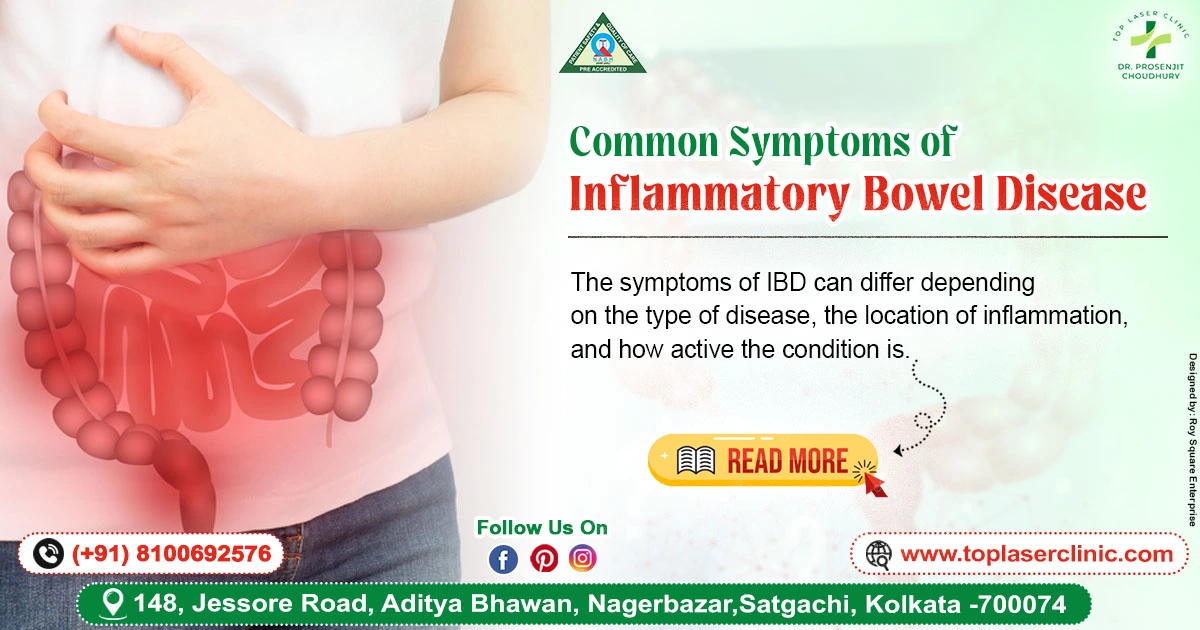
The symptoms of IBD can differ depending on the type of disease, the location of inflammation, and how active the condition is.
Common symptoms may include:
- Persistent diarrhoea
- Abdominal pain or cramping
- Blood in the stool
- Mucus in the stool
- Frequent or urgent bowel movements
- Unexplained weight loss
- Reduced appetite
- Persistent tiredness
- Weakness
- Bloating
- Changes in normal bowel habits
- Fever during some flare-ups
Certain individuals may experience problems involving the joints, skin, or eyes.
When Digestive Symptoms Need Attention
Not every person with diarrhoea or abdominal pain has IBD. Similar symptoms can occur because of infections, irritable bowel syndrome, haemorrhoids, and several other digestive conditions.
Blood in the stool, unexplained weight loss, persistent diarrhoea, significant abdominal pain, or repeated episodes of fever deserve medical attention.
4. What Causes Inflammatory Bowel Disease?
The exact cause of IBD is not completely understood.
Current understanding suggests that several factors may interact in people who are susceptible to the condition. These can include genetic factors, immune-system activity, the gut microbiome, and environmental influences.
Genetic Factors
However, having a family member with IBD does not necessarily mean that another family member will develop it.
Immune-System Changes
The immune system plays an important role in protecting the body. Abnormal immune responses may contribute to persistent inflammation within the digestive tract.
Gut Microbiome
The digestive system contains a large community of microorganisms. Changes in the balance of these microorganisms may have a role in the development or progression of IBD.
Environmental Influences
Certain environmental factors may contribute to the development or worsening of IBD, particularly in people who are already genetically or biologically susceptible.
It is important to understand that IBD is not simply caused by eating one particular food. Its development involves several interacting factors.
5. Risk Factors for IBD
Possible risk factors include:
- Family history of IBD
- Certain genetic factors
- Changes in immune-system activity
- Smoking, particularly in relation to Crohn’s disease
- Environmental influences
- Certain previous gastrointestinal or intestinal factors
Having one or more risk factors does not mean that a person will definitely develop IBD.
If you have a family history of IBD and are experiencing persistent digestive symptoms, a medical consultation can help determine whether further evaluation is appropriate.
6. How Is Inflammatory Bowel Disease Diagnosed?
There is no single test that can identify every case of IBD.
Doctors generally use a combination of medical history, physical examination, laboratory investigations, imaging, and endoscopic procedures to understand what is causing the symptoms.
Blood Tests
Blood investigations may help identify signs of inflammation, anaemia, or other abnormalities that can provide useful information about a patient’s condition.
Stool Tests
Stool examinations can help identify signs of intestinal inflammation and may also help rule out certain infections.
Colonoscopy
A colonoscopy allows a doctor to directly examine the inner lining of the colon and rectum.
During the procedure, small tissue samples known as biopsies may be collected for laboratory examination when required.
Upper Gastrointestinal Endoscopy
Depending on the patient’s symptoms, an upper gastrointestinal endoscopy may be considered to examine areas of the upper digestive tract.
Imaging Tests
Imaging investigations such as CT or MRI may be recommended in selected cases. These tests can provide information about the bowel and surrounding structures.
Why Accurate Diagnosis Matters
Several digestive conditions can produce similar symptoms. Crohn’s disease, ulcerative colitis, infections, irritable bowel syndrome, and other gastrointestinal problems may sometimes appear similar initially.
A proper evaluation helps healthcare professionals understand the underlying problem and plan appropriate care.
7. Treatment Options for Inflammatory Bowel Disease
IBD treatment is not identical for every patient.
The appropriate approach can depend on:
- Type of IBD
- Location of inflammation
- Severity of symptoms
- Disease activity
- Overall health
- Previous treatment and response
The major goals of treatment are to reduce inflammation, control symptoms, achieve remission, maintain remission, reduce complications, and improve quality of life.
Medicines
Depending on the individual situation, doctors may use different categories of medicines, including anti-inflammatory medicines, corticosteroids in selected circumstances, immunomodulators, biologic therapies, and other targeted treatments.
Medication should be taken according to professional medical advice.
Some medicines may be used to control active symptoms, while others may be prescribed to help maintain remission.
Nutritional Support
Some people with IBD may have difficulty maintaining adequate nutrition, particularly when inflammation affects appetite or nutrient absorption.
Dietary counselling and nutritional support may therefore be useful in selected cases.
Surgery
Surgery may be considered for certain patients, particularly when complications develop or symptoms cannot be adequately controlled with medical treatment.
Whether surgery is appropriate depends on the individual’s condition and should be decided after proper medical evaluation.
8. Diet and Lifestyle Tips for IBD
There is no universal IBD diet that works equally well for everyone.
Food tolerance can vary from person to person and may also change depending on whether the disease is active or in remission.
Some useful habits include:
Eat Balanced Meals
Try to maintain a nutritious diet that provides the energy and nutrients your body needs.
Stay Hydrated
Adequate fluid intake is particularly important when frequent diarrhoea is present.
Track Food Triggers
Keeping a food and symptom diary may help identify foods that appear to worsen your individual symptoms.
Avoid Personal Triggers
If a particular food repeatedly causes discomfort, discuss it with a healthcare professional instead of making major long-term dietary restrictions without guidance.
Follow Your Treatment Plan
Taking prescribed medicines regularly can be an important part of managing IBD.
Maintain Healthy Sleep
Adequate and regular sleep can support overall health and daily functioning.
Stay Physically Active
Physical activity may be continued according to your health and tolerance. During significant symptoms, discuss suitable activity levels with your healthcare professional.
Avoid Smoking
Avoiding smoking is an important health measure, particularly because smoking has a relationship with Crohn’s disease.
Manage Stress
Relaxation techniques and other healthy approaches to stress management may help support overall well-being.
During an active flare-up, some people may find that smaller or simpler meals are easier to tolerate. However, unnecessary food restrictions can create nutritional problems. Major dietary changes should therefore be discussed with a doctor or qualified dietitian.
9. How to Manage an IBD Flare-Up
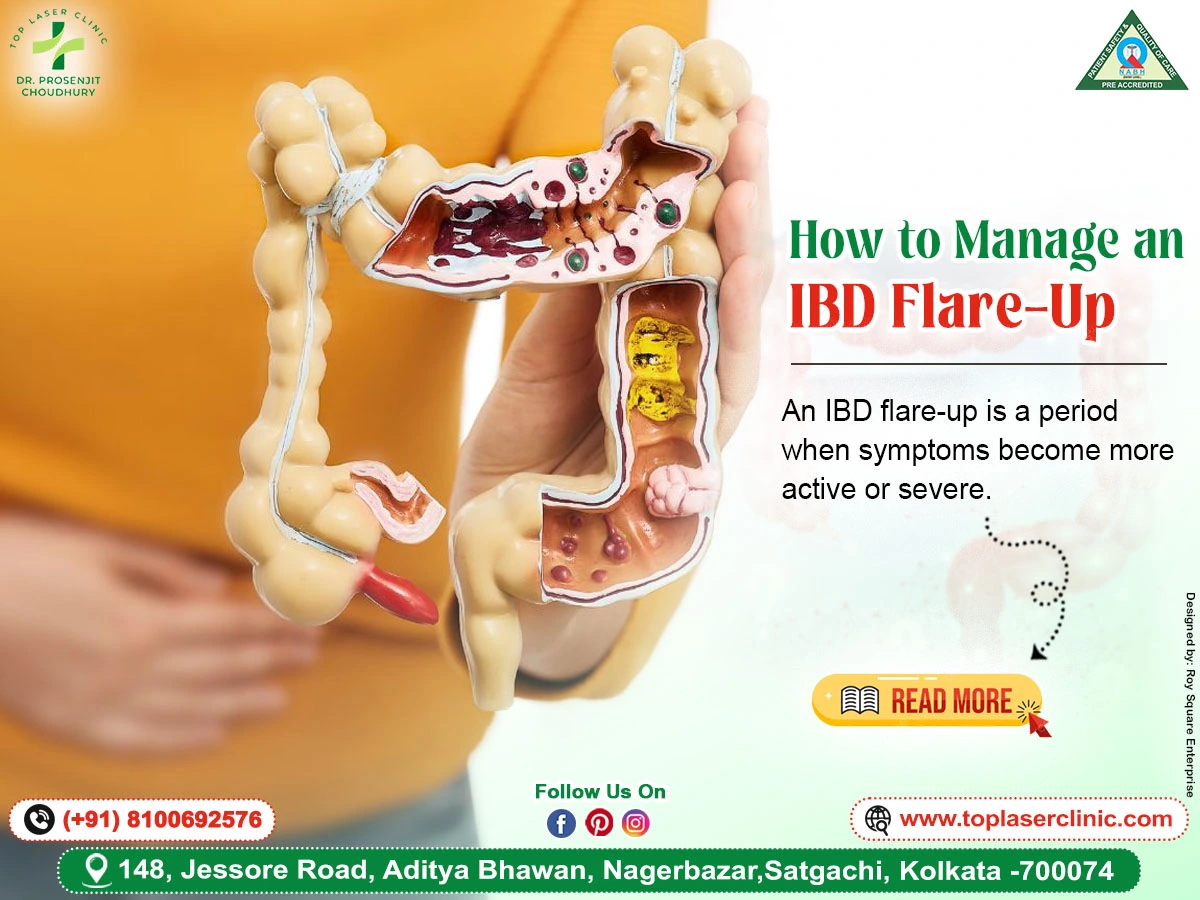
An IBD flare-up is a period when symptoms become more active or severe.
If you experience a flare-up, consider the following steps:
1. Follow Your Prescribed Treatment
Continue your treatment according to your doctor’s instructions. Do not change or stop medication without professional advice.
2. Drink Enough Fluids
Frequent diarrhoea can increase the risk of dehydration. Maintaining adequate fluid intake is therefore important.
3. Choose Foods You Tolerate
During a flare-up, focus on foods that you know are easier for you to tolerate and avoid known personal triggers.
4. Take Adequate Rest
Allow your body enough time to recover and avoid unnecessary physical strain when symptoms are severe.
5. Monitor Your Symptoms
Keep track of changes such as:
- Bowel frequency
- Bleeding
- Abdominal pain
- Fever
- Weight changes
- Changes in appetite
This information can help your healthcare professional understand whether your condition is changing.
6. Contact Your Doctor When Symptoms Worsen
Do not wait if symptoms become significantly worse, unusual, or difficult to manage.
Warning Signs That Need Urgent Medical Attention
Seek urgent medical care if you experience:
- Severe abdominal pain
- Heavy rectal bleeding
- Persistent vomiting
- Severe dehydration
- High fever
- Fainting
- Other severe or rapidly worsening symptoms
Inflammatory Bowel Disease is a chronic digestive condition that mainly includes Crohn’s disease and ulcerative colitis. Its symptoms may range from persistent diarrhoea and abdominal discomfort to blood in the stool, weight loss, fatigue, and changes in bowel habits.
Conclusion
Because several gastrointestinal conditions can cause similar symptoms, IBD cannot be confirmed through symptoms alone. Medical evaluation may involve blood tests, stool tests, colonoscopy, biopsy, imaging, and other investigations depending on the individual situation.
While IBD may require long-term management, appropriate treatment, regular monitoring, nutritional support, and healthy lifestyle habits can help many patients manage their condition.
Why Consult Dr. Prosenjit Choudhury at Top Laser Clinic?
Digestive and bowel symptoms can have several possible causes. Proper assessment is important before deciding whether medication, further investigation, or surgical consultation is appropriate.
Dr. Prosenjit Choudhury is an experienced General & Laparoscopic Surgeon in Kolkata, providing care in general and minimally invasive surgical conditions.
At Top Laser Clinic, the focus is on appropriate evaluation, understanding the patient’s condition, and developing a treatment approach based on individual needs.
If you are experiencing persistent bowel or digestive symptoms and are looking for an experienced General & Laparoscopic Surgeon in Kolkata, professional medical evaluation can help you understand the possible cause of your symptoms and the treatment options available.
1. Can IBD affect daily life?
Yes, IBD symptoms can interfere with work, sleep, diet, and daily activities.
2. Is IBD a lifelong condition?
IBD is generally a long-term condition that may have periods of flare-ups and remission.
3. Can IBD cause weight loss?
ongoing inflammation and digestive symptoms may contribute to unexplained weight loss.
4. Can IBD cause blood in stool?
Yes, blood in the stool can occur, particularly with ulcerative colitis.
5. Can IBD cause tiredness?
Yes, fatigue can occur in people with inflammatory bowel disease.
6.Can IBD affect the colon
ulcerative colitis mainly affects the colon and rectum.
7. Can IBD affect the small intestine?
Yes, Crohn’s disease can affect the small intestine.
8. Does everyone with IBD have the same symptoms?
No, symptoms and their severity can vary from person to person.
9. Can IBD symptoms come and go?
Yes, IBD can have periods of active symptoms and remission.
10. Is surgery needed for IBD?
Surgery may be considered in selected cases when complications occur or medical treatment is insufficient.

