Pancreatitis is a condition that should never be ignored. It happens when the pancreas becomes inflamed and can range from a short-term illness to a long-lasting condition that causes permanent damage.
The good news is that early diagnosis, appropriate treatment, and healthy lifestyle choices can help manage pancreatitis and reduce the risk of complications. Understanding the warning signs is the first step toward getting the right medical care.
Table of Contents
1. Introduction: What Is Pancreatitis?
The pancreas is an important organ located behind the stomach. It has two major jobs: producing digestive enzymes that help break down food and producing hormones such as insulin that help regulate blood sugar.
Pancreatitis means inflammation of the pancreas. It can occur suddenly or develop over a long period.
There are two main types:
- Acute pancreatitis: Develops suddenly and may improve within days with appropriate treatment.
- Chronic pancreatitis: Continues over time and can cause permanent damage to the pancreas.
Both types require proper medical evaluation.
2. Common Causes of Pancreatitis
Pancreatitis can have several causes. Identifying the cause is important because treatment often depends on what triggered the inflammation.
Gallstones
A stone can block the bile or pancreatic duct and interfere with the normal flow of digestive juices.
Alcohol
Heavy alcohol use is an important cause of both acute and chronic pancreatitis. Continued alcohol consumption after pancreatitis can increase the risk of repeated attacks and chronic disease.
High Triglycerides
Very high levels of triglycerides, a type of fat found in the blood, can increase the risk of pancreatitis.
Certain Medicines
Some medicines can contribute to pancreatitis in susceptible individuals. Speak with your doctor if you are concerned about a possible medication-related cause.
Genetic or Other Medical Conditions
Inherited pancreatic disorders, high calcium levels, certain infections, abdominal injury, autoimmune conditions and structural problems involving the pancreatic ducts can also contribute.
In some patients, the exact cause cannot be identified.
3. Pancreatitis Symptoms You Should Not Ignore
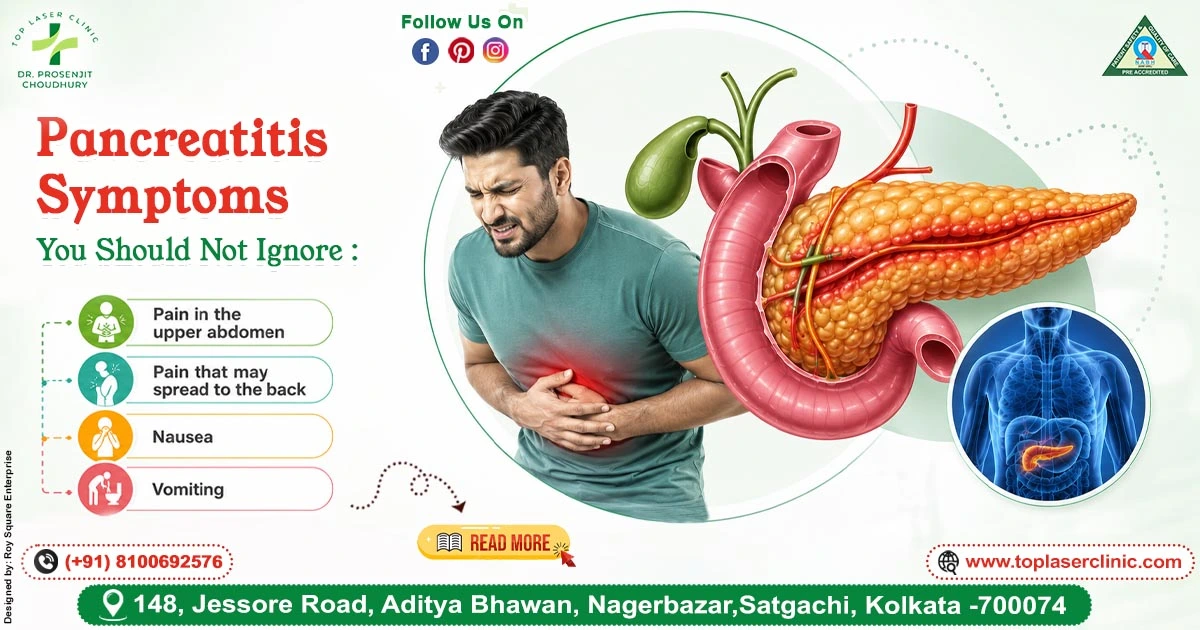
Common symptoms include:
- Pain in the upper abdomen
- Pain that may spread to the back
- Nausea
- Vomiting
- Fever
- Abdominal tenderness or swelling
- Rapid heartbeat
- Digestive problems
- Unexplained weight loss in chronic cases
- Oily or foul-smelling stools in some people with chronic pancreatitis
Acute pancreatitis can cause sudden, significant abdominal pain and may make a person feel seriously unwell.
Why should these symptoms be taken seriously?
Abdominal pain has many possible causes, including acidity, ulcers, gallbladder problems and intestinal conditions. Therefore, it is important not to assume that severe or persistent pain is simply gas or indigestion.
4. Acute vs Chronic Pancreatitis
Although both conditions involve pancreatic inflammation, they are different.
| Feature | Acute Pancreatitis | Chronic Pancreatitis |
| Onset | Usually sudden | Develops or persists over time |
| Duration | Often short-term | Long-lasting |
| Pancreatic damage | May resolve with treatment | Can cause permanent damage |
| Common symptoms | Severe abdominal pain, nausea, vomiting | Pain, digestive problems, weight loss |
| Treatment | Often requires urgent medical care | Long-term management may be required |
Most people with mild acute pancreatitis recover with appropriate treatment, while chronic pancreatitis can progressively affect pancreatic function.
Repeated episodes of acute pancreatitis can also increase the risk of developing chronic pancreatic damage.
5. How Is Pancreatitis Diagnosed?
There is no single test that is appropriate for every patient. Doctors generally combine the patient’s medical history, physical examination, blood tests and imaging studies.
Blood Tests
Doctors may check pancreatic enzymes such as lipase and amylase. Blood tests can also provide information about blood sugar, triglycerides and signs of inflammation or other related problems.
Ultrasound
An ultrasound may help identify gallstones and assess nearby abdominal structures.
CT Scan
A CT scan can provide detailed images of the pancreas and surrounding organs and may help assess the severity of pancreatitis.
MRI/MRCP
MRI or MRCP can provide detailed images of the pancreas and bile and pancreatic ducts when additional information is needed.
In selected cases, doctors may also use endoscopic ultrasound or other specialized investigations.
The choice of tests depends on symptoms, examination findings and the suspected cause.
6. Pancreatitis Treatment Options, Foods and Lifestyle: What Helps?
Treatment depends on the type, severity and underlying cause of pancreatitis.
Medical Treatment
For acute pancreatitis, treatment may include:
- Intravenous fluids when needed
- Pain management
- Nutritional support
- Monitoring for complications
- Treatment of the underlying cause
Some patients require hospital care, particularly when symptoms are severe. If gallstones are responsible, procedures or gallbladder surgery may be recommended depending on the clinical situation. In selected cases, endoscopic procedures such as ERCP may be used to treat a blockage.
Treatment for Chronic Pancreatitis
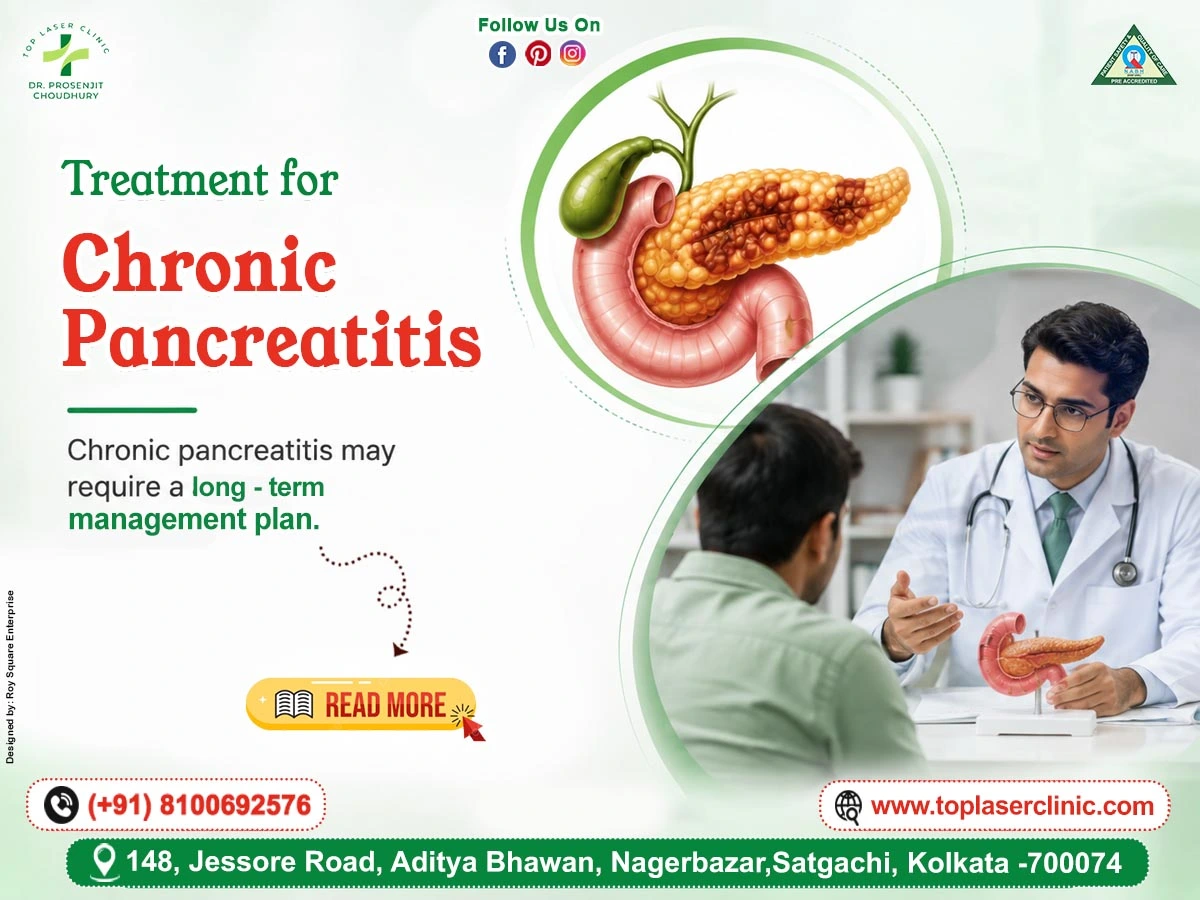
Chronic pancreatitis may require a long-term management plan. Depending on the patient’s condition, treatment can include:
- Pain management
- Pancreatic enzyme replacement
- Nutritional support
- Management of diabetes if it develops
- Endoscopic procedures
- Surgery for selected complications or duct problems
The treatment should always be individualized.
Foods and Lifestyle: What Helps?
Food choices can be an important part of managing pancreatitis.
Doctors may recommend a healthy, low-fat eating plan with smaller, more frequent meals, depending on the individual’s condition. Staying adequately hydrated is also important.
Helpful lifestyle measures may include:
- Avoiding alcohol
- Stopping smoking
- Maintaining a healthy weight
- Following the recommended diet
- Managing triglyceride levels
- Taking prescribed pancreatic enzymes when required
- Attending regular follow-up appointments
Alcohol and smoking cessation are particularly important for people with pancreatitis.
Do not follow a restrictive diet without medical advice, especially if you have chronic pancreatitis, weight loss or nutritional deficiencies.
7. When Should You See a Doctor?
Seek urgent medical attention if you experience severe or worsening upper abdominal pain, particularly if it is accompanied by:
- Persistent vomiting
- Fever or chills
- Rapid heartbeat
- Shortness of breath
- Severe abdominal tenderness
- Yellowing of the skin or eyes
- Significant weakness or dehydration
These symptoms can occur with serious pancreatitis or its complications and should not be managed at home without medical assessment.
If you have repeated abdominal pain, unexplained weight loss or ongoing digestive problems, schedule a medical consultation even if the symptoms are not severe.
Dr. Prosenjit Choudhury is an experienced General & Laparoscopic Surgeon in Kolkata, with qualifications including MBBS and MS in General Surgery. His professional profiles list expertise in general surgery, laparoscopic surgery and proctology.
At Top Laser Clinic, the focus is on modern, minimally invasive and patient-focused surgical care. The clinic’s official profile describes Dr. Prosenjit Choudhury as a Consultant General & Laparoscopy Surgeon and highlights his experience in laparoscopic and laser-assisted procedures.
For patients searching for the best general surgeon in Kolkata, Dr. Prosenjit Choudhury is presented by his clinic as one of the best general and laparoscopic surgeons in Kolkata. His listed areas of surgical practice include abdominal, gastrointestinal, laparoscopic and other general surgical procedures.
It is important to understand that pancreatitis does not automatically require surgery. Many cases are treated with medical management, while procedures or surgery may be considered when there is a specific underlying cause or complication.
Conclusion
Pancreatitis can be painful and, in some cases, serious, but understanding the condition can help you recognize warning signs and seek care at the right time.
The key points are simple: know the symptoms, understand the possible causes, do not ignore severe abdominal pain, avoid alcohol and smoking, follow medical advice, and investigate repeated digestive problems.
Whether pancreatitis is acute or chronic, treatment should focus on both controlling the condition and addressing the underlying cause. Early medical evaluation can help reduce the risk of complications and support better long-term care.
2. What happens in pancreatitis?
The pancreas becomes inflamed, causing pain and digestive problems.
3. What does pancreatitis pain feel like?
It usually causes severe upper abdominal pain that may spread to the back.
4. Can pancreatitis go away?
Mild acute pancreatitis can improve with proper treatment, while chronic pancreatitis may cause lasting damage.
5. Is pancreatitis serious?
Yes. Severe cases can cause serious complications and require urgent medical care.
6. Can gallstones cause pancreatitis?
Yes. Gallstones can block the pancreatic duct and trigger inflammation.
7. Can alcohol cause pancreatitis?
Yes. Heavy alcohol use can cause both acute and chronic pancreatitis.
8. What foods are good for pancreatitis?
A doctor may recommend a healthy, low-fat diet with smaller, frequent meals.
9. Can pancreatitis cause diabetes?
Yes. Chronic pancreatic damage can affect insulin production and increase diabetes risk.
10. When should I see a doctor?
Seek medical care for severe abdominal pain, repeated vomiting, fever, jaundice, or breathing difficulty.

