Table of Contents
1. What Are Varicose Veins?
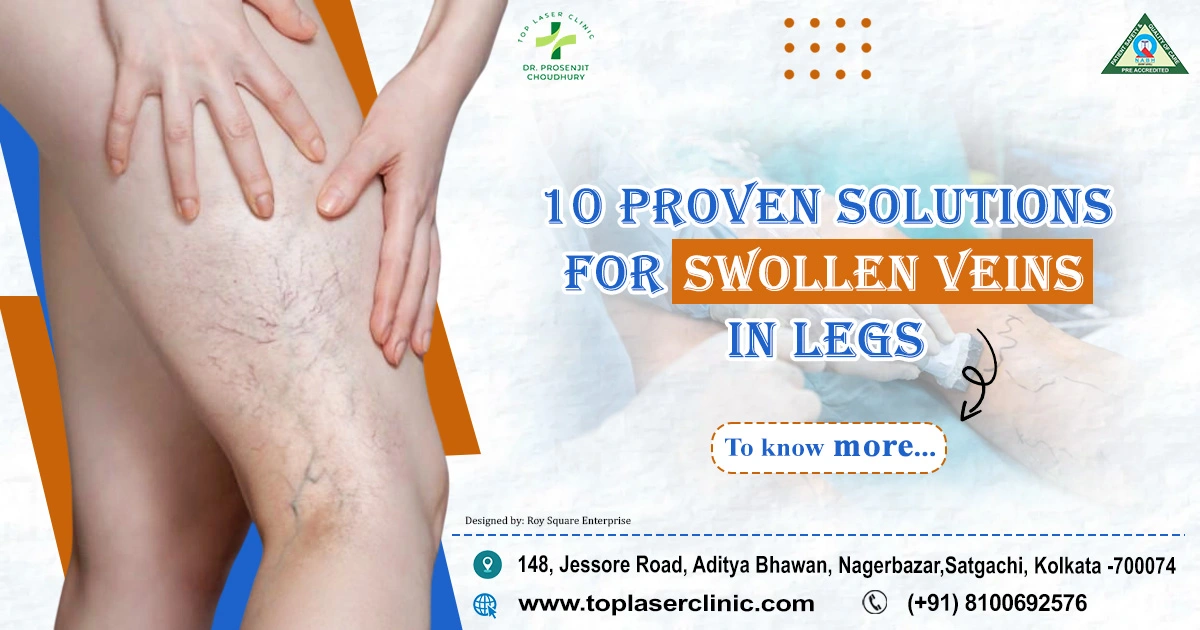
They occur when the valves inside the veins stop working properly, causing blood to pool instead of flowing smoothly back to the heart.
While many people think it’s just a cosmetic concern, varicose veins can sometimes lead to discomfort, pain, and even serious complications if ignored.
2. Causes of Swollen Veins
Swollen veins don’t appear overnight. Several factors contribute to their development:
- Weak or damaged vein valves
- Long hours of standing or sitting
- Increased pressure in leg veins
- Obesity
- Hormonal changes (especially in women)
- Pregnancy
- Aging process
3. Common Symptoms
You may notice the following signs if you have varicose veins:
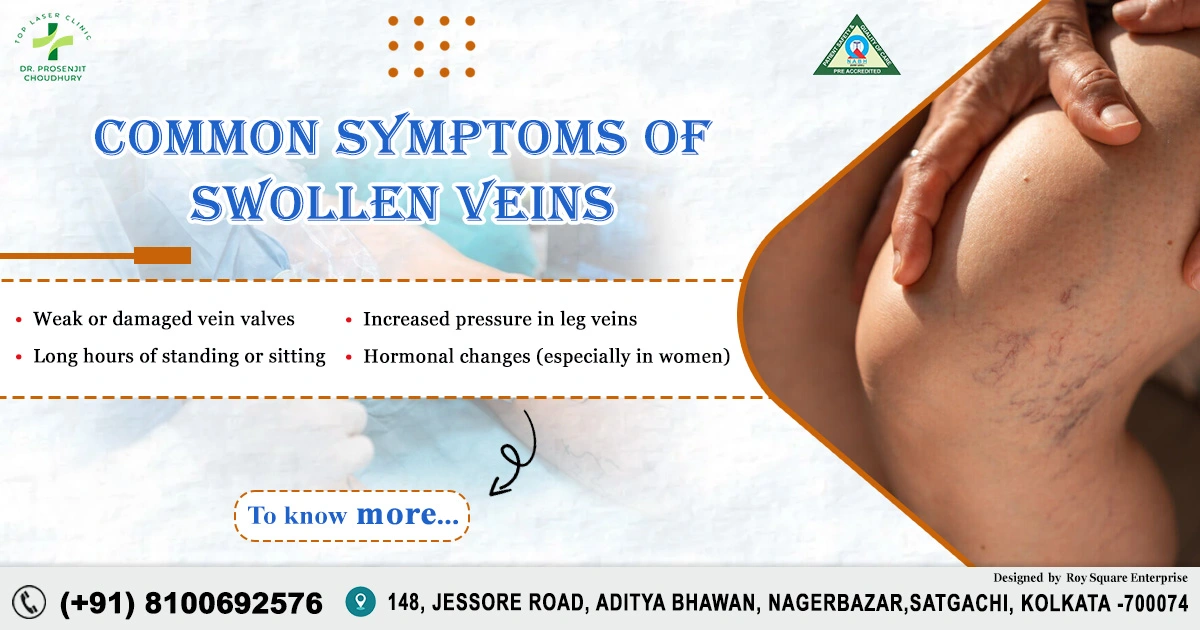
- Bulging, twisted veins visible under the skin
- Aching or heavy feeling in legs
- Swelling in ankles and feet
- Burning or throbbing sensation
- Night cramps
- Itching around veins
- Skin discoloration
4. Risk Factors
Certain people are more likely to develop swollen veins:
- Family history of vein problems
- Women (due to hormonal influence)
- Sedentary lifestyle
- Jobs requiring long standing (teachers, nurses, workers)
- Overweight individuals
5. When to See a Doctor
Do not ignore symptoms if they worsen. You should consult a specialist if:
- Pain becomes persistent
- Swelling increases
- Skin turns dark or hard
- Sores or ulcers appear
- Veins start bleeding
Early consultation can prevent serious complications.
6. Diagnosis
Doctors usually diagnose varicose veins through:
- Physical examination
- Medical history discussion
- Doppler ultrasound (to check blood flow and valve function)
This helps determine the severity and best treatment plan.
7. Treatment Options
A. Non-Surgical Treatments
- Compression stockings to improve circulation
- Regular exercise like walking
- Weight management
- Elevating legs while resting
- Avoiding long periods of sitting or standing
B. Minimally Invasive Treatments
- Sclerotherapy: Injection to close small veins
- Laser Treatment: Uses light energy to seal veins
- Radiofrequency Ablation: Heat treatment for larger veins
C. Surgical Treatments
- Vein ligation and stripping
- Advanced laparoscopic procedures for severe cases
These are recommended only when other treatments are not effective.
8. Complications if Untreated
Ignoring swollen veins can lead to:
- Blood clots
- Chronic venous insufficiency
- Skin ulcers
- Bleeding veins
- Long-term pain and discomfort
9. Benefits of Early Treatment
Treating varicose veins early offers several advantages:
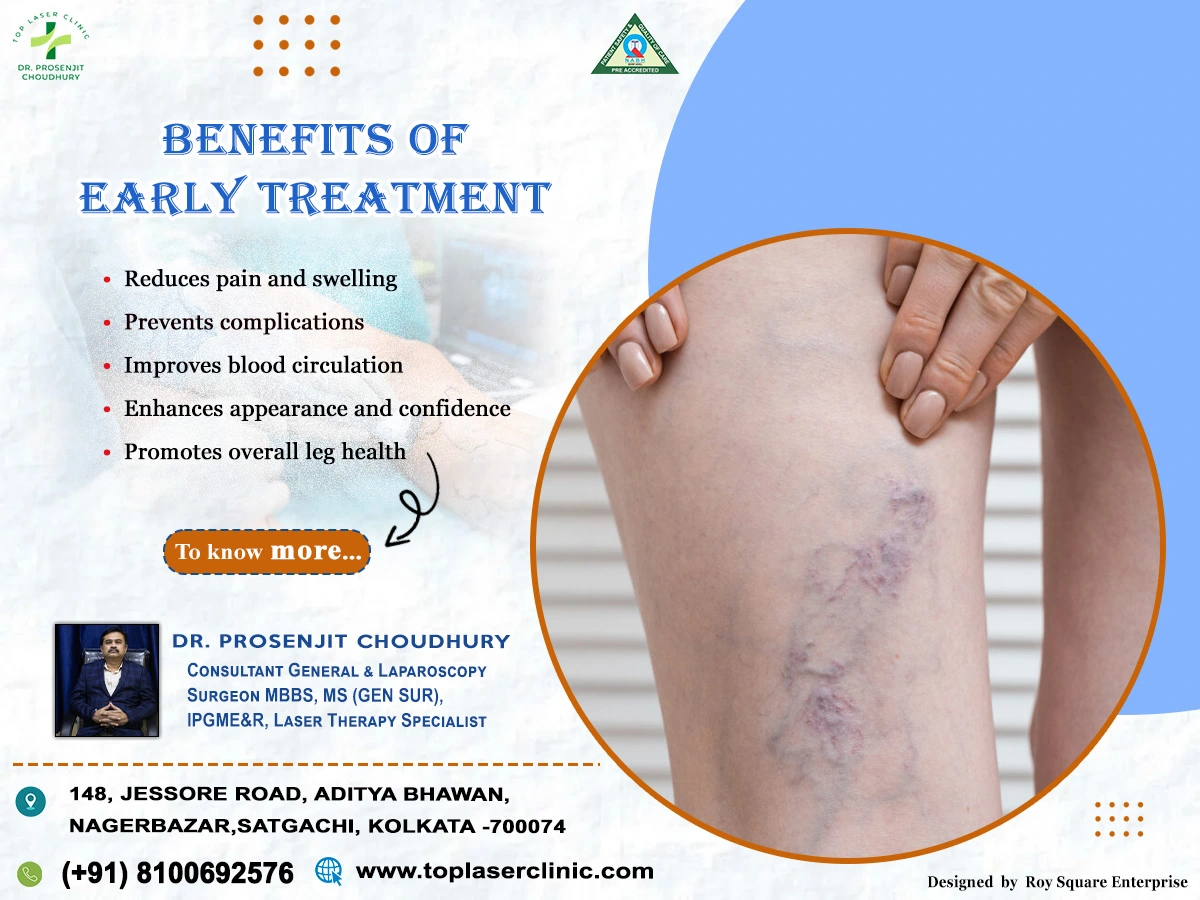
- Reduces pain and swelling
- Prevents complications
- Improves blood circulation
- Enhances appearance and confidence
- Promotes overall leg health
11. Why Choose Dr. Prosenjit Choudhury at Top Laser Clinic
When it comes to treating swollen veins, choosing the right specialist makes all the difference.
- Highly experienced General & Laparoscopic Surgeon
- Expertise in advanced and minimally invasive procedures
- Patient-focused care and accurate diagnosis
- Modern treatment facilities
- Trusted name for varicose vein treatment in Kolkata
Dr. Prosenjit Choudhury is known for delivering effective results with a compassionate approach, making him one of the best general surgeons in Kolkata.
12. Conclusion
Swollen veins in the legs are more than just a cosmetic issue—they can impact your comfort and overall health. The good news is that with timely diagnosis and proper treatment, they can be effectively managed.
If you’re experiencing symptoms, don’t delay. Consult an experienced specialist like Dr. Prosenjit Choudhury and take the first step towards healthier, pain-free legs.
Q1. Are varicose veins dangerous?
Not always, but untreated cases can become serious.
Q2. Can varicose veins go away on their own?
No, they usually require treatment or lifestyle management.
Q3. Is walking good for varicose veins?
Yes, it improves blood circulation.
Q4. Who is most at risk?
People with sedentary jobs, obesity, or family history.
Q5. Are treatments painful?
Most modern treatments are minimally invasive and painless.
Q6. Can I prevent varicose veins?
Yes, with exercise, weight control, and healthy habits.
Q7. Is surgery always required?
No, many cases are treated without surgery.
Q8. How long does recovery take?
Recovery is usually quick, especially with non-surgical methods.
Q9. Do compression stockings really help?
Yes, they improve blood flow and reduce symptoms.
Q10. When should I consult a doctor?
When symptoms worsen or interfere with daily life.

