Home Blog Page 10

Laser treatment for anal fissure

Laser treatment for anal fissure

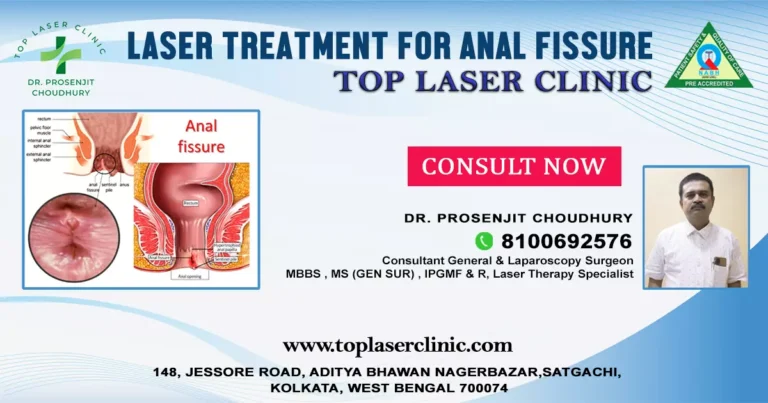
Anal fissures are a common and often painful condition affecting many individuals worldwide. Anal fissures are small tears or cracks in the lining of the anal canal, which can cause pain, bleeding, and discomfort during bowel movements.

While there are various treatment options available for anal fissures, one approach that has gained attention and shown promising results is laser treatment. Laser treatment for anal fissures involves the use of a specialized medical laser to target and treat the affected area. This procedure is minimally invasive and is effective in promoting healing, reducing pain, and improving overall outcomes for patients with anal fissures.

Anal fissures

Laser treatment for anal fissures offers several advantages compared to traditional surgical options. Laser treatment for anal fissures has shown great potential as an alternative to traditional treatments such as medical therapy or surgery.

Key advantages of laser treatment for anal fissure

One of the key advantages of laser treatment is that it is minimally invasive. This means that the procedure can usually be performed on an outpatient basis, without the need for a hospital stay. In addition to being minimally invasive, laser treatment for anal fissures has been found to have a shorter recovery time compared to traditional surgical options.

Patients often experience less pain and discomfort after laser treatment, allowing them to return to their daily activities more quickly. Moreover, laser treatment for anal fissures has been found to have a high success rate.

Research studies have shown that laser treatment can effectively promote healing and alleviate symptoms of anal fissures in a significant number of patients. This makes it a promising option for individuals who have not responded well to other treatments or prefer a less invasive approach. Additionally, laser treatment for anal fissures offers precise targeting and minimal damage to surrounding tissues.

Advantage of laser therapy

This reduces the risk of complications and ensures a more accurate and successful treatment outcome. In the last decade, there have been advancements in laser therapy for perianal lesions that have shown promising results in treating conditions such as perianal and rectal tumors, anal fistula, hemorrhoids, and anal fissure. This non-contact procedure has shown to reduce bleeding, pain, and discomfort in patients with perianal lesions.

Whether varicose vein affect heart!

whether varicose vein affect heart

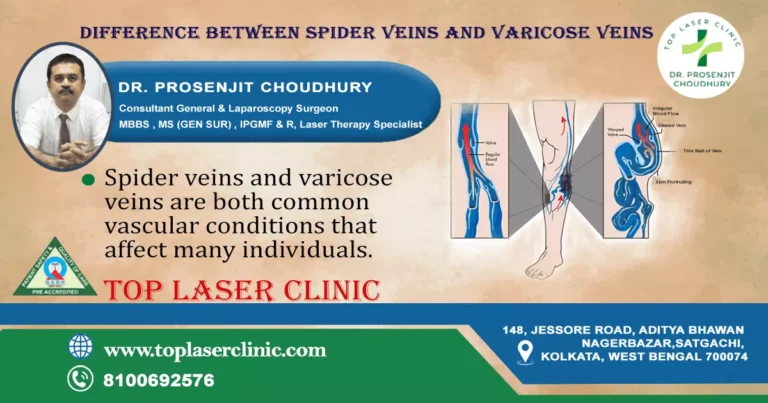
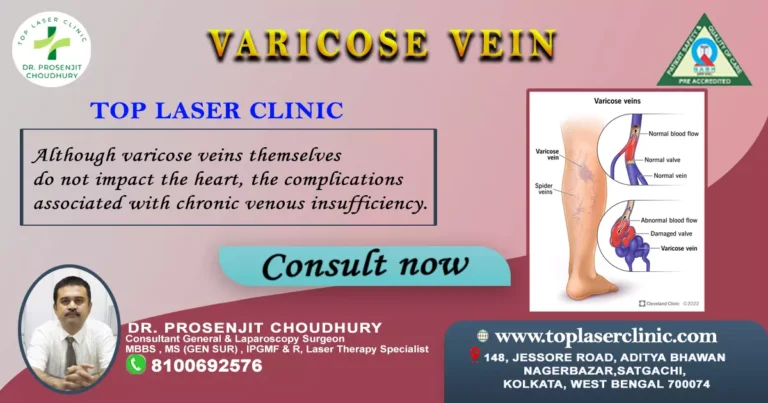
Whether varicose vein affect heart! Varicose veins themselves do not directly affect the heart. Varicose veins are primarily a condition of the veins in the legs, specifically the superficial veins, and their enlargement and twisting are caused by malfunctioning valves within those veins. The veins in the legs are part of the peripheral venous system, which carries blood back to the heart.

Connection of heart with varicose vein

However, it is worth noting that there is a connection between varicose veins and a condition called chronic venous insufficiency (CVI), which can have indirect effects on the circulatory system, including the heart. Chronic venous insufficiency occurs when the valves in the veins are unable to effectively pump blood back to the heart, leading to blood pooling in the veins.

Symptoms of chronic venous insufficiency

In cases of severe chronic venous insufficiency, the increased pressure in the veins can cause symptoms such as leg swelling, pain, and discomfort. Over time, the persistent venous congestion and increased pressure can potentially lead to skin changes, ulcers, and inflammation in the affected area.

Although varicose veins themselves do not impact the heart, the complications associated with chronic venous insufficiency, such as leg ulcers or skin infections, can indirectly affect a person’s overall health and well-being. In some cases, individuals with chronic venous insufficiency may also experience a reduced quality of life due to the discomfort and limitations associated with the condition.

whether varicose vein bleed or not

whether varicose vein bleed or not

In some cases, varicose veins can lead to complications such as blood clots, ulcers, or bleeding.

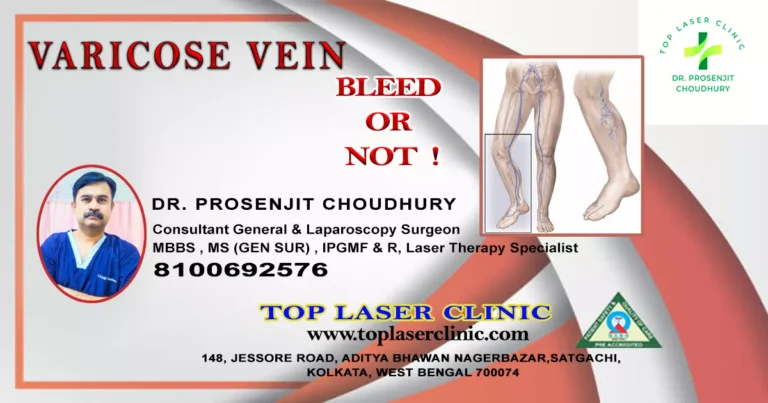
Yes, varicose veins have the potential to bleed, although it is not a common occurrence. When varicose veins become significantly enlarged and protrude close to the surface of the skin, the overlying skin may become thin and susceptible to injury. If the skin covering a varicose vein is accidentally cut, scratched, or injured, it can result in bleeding.

varicose vein bleed Treatement

The bleeding from varicose veins is usually not severe and can be managed with appropriate first aid measures. Applying direct pressure to the bleeding site with a clean cloth or sterile dressing can help control the bleeding. Elevating the leg and applying a compression bandage can also assist in reducing the bleeding. It is advisable to seek medical attention if the bleeding persists or if you are unable to control it.

In some cases, varicose veins can develop complications like ulcers or blood clots, which may also lead to bleeding. If you have varicose veins and experience sudden, significant bleeding, or if you notice any signs of infection or worsening symptoms, it is important to seek medical evaluation promptly.

To prevent bleeding from varicose veins, it is recommended to avoid activities that may cause injury to the affected area.

5 Pros and 5 cons of laser hemorrhoid surgery

Pros and cons of laser hemorrhoid surgery

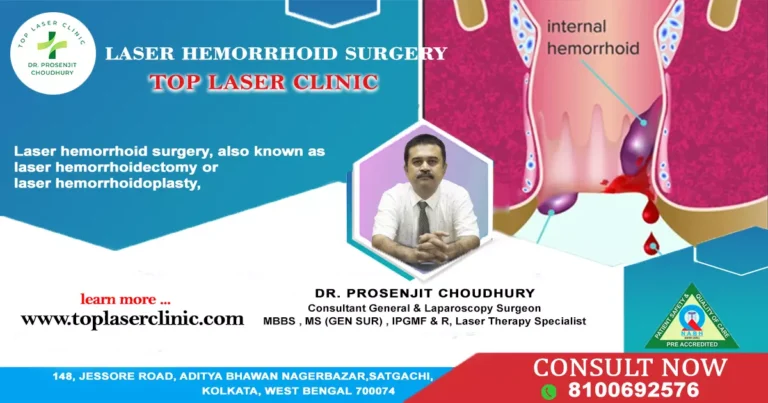
Laser hemorrhoid surgery, also known as laser hemorrhoidectomy or laser hemorrhoidoplasty, is a modern and minimally invasive technique used to treat hemorrhoids. Like any medical procedure, it comes with its own set of advantages and disadvantages.

 Here are some pros and cons of laser hemorrhoid surgery:

Pros:

Minimally invasive:

Laser hemorrhoid surgery is considered minimally invasive compared to traditional surgical methods. It involves using a focused laser beam to precisely target and remove the hemorrhoidal tissue.

Reduced bleeding:

The laser’s high-energy beam can coagulate blood vessels as it cuts, leading to reduced bleeding during the procedure. This can result in less post-operative bleeding and discomfort.

Faster healing:

The laser’s precision allows for more controlled tissue removal, leading to less damage to surrounding tissues. This often translates to faster healing and recovery times compared to conventional surgical techniques.

Reduced risk of complications:

The reduced tissue trauma and precision of the laser procedure can potentially lower the risk of complications such as infection and anal stenosis (narrowing of the anal canal).

Outpatient procedure:

In many cases, laser hemorrhoid surgery can be performed on an outpatient basis, meaning patients can usually go home on the same day as the procedure.

Cons:

Cost:

Laser hemorrhoid surgery can be more expensive than traditional surgical methods due to the use of specialized equipment and technology.

Skill and availability:

Not all healthcare facilities or surgeons may have the necessary expertise and equipment to perform laser hemorrhoid surgery, limiting its availability in some areas.

Effectiveness:

While laser hemorrhoid surgery is generally effective for treating hemorrhoids, it may not be suitable for all cases. Larger or more severe hemorrhoids may require alternative surgical approaches.

Possible recurrence:

Like any hemorrhoid treatment, there is a possibility of hemorrhoids recurring after laser surgery, especially if the underlying causes (e.g., constipation, low-fiber diet) are not addressed.

Limited to certain types of hemorrhoids:

Laser surgery may not be suitable for treating external hemorrhoids or hemorrhoids that are too large or complex.

Nerve sensitivity:

The use of laser energy can cause nerve irritation or sensitivity in the treated area, leading to temporary discomfort.

It’s essential to consult with a qualified healthcare professional to determine whether laser hemorrhoid surgery is the right treatment option for your specific condition. They can assess your individual case, discuss the potential risks and benefits, and recommend the most appropriate course of action for your hemorrhoid treatment.

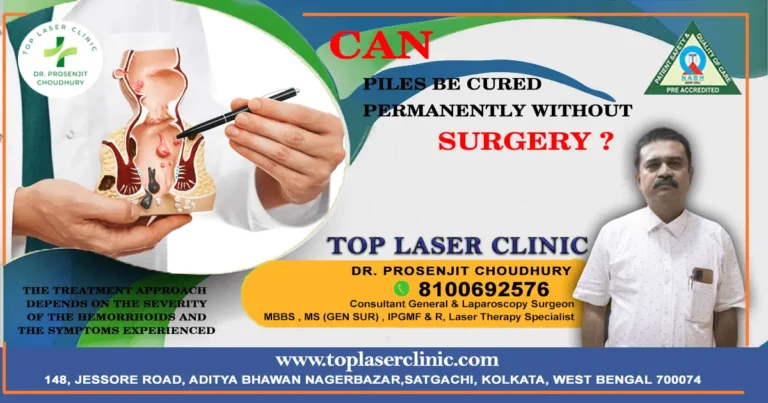
Can piles be cured permanently without surgery

Can piles be cured permanently without surgery

There are non-surgical treatment options available for the management of piles, but whether they can provide a permanent cure depends on the individual case. Some non-surgical treatments for piles, such as lifestyle changes, medications, and minimally invasive procedures like rubber band ligation or sclerotherapy, can provide relief from symptoms and reduce the size of hemorrhoids. The treatment approach depends on the severity of the hemorrhoids and the symptoms experienced. Here are some non-surgical treatment options that can help alleviate piles:

Lifestyle and dietary Changes

Increasing dietary fiber:

Consuming more fruits, vegetables, whole grains, and legumes can help soften the stool and ease bowel movements, reducing strain on the hemorrhoids.

Staying hydrated:

Drinking plenty of water can prevent constipation and promote regular bowel movements.

Regular exercise:

Engaging in physical activity can improve bowel function and reduce the risk of hemorrhoids.

Over-the-counter (OTC) treatments

Topical creams and ointments:

OTC products containing ingredients like hydrocortisone or witch hazel can provide relief from itching and discomfort.

Medicated wipes:

These wipes can help keep the anal area clean and reduce irritation

Sitz baths

Soaking the anal area in warm water for about 10 to 15 minutes several times a day can help soothe the irritation and reduce swelling.

Bulk laxatives and stool softeners

These can help maintain regular bowel movements and prevent straining during bowel movements.

Hemorrhoidal suppositories

Suppositories can be inserted into the anus to deliver medication directly to the affected area.

Rubber band ligation (non-surgical procedure):

This procedure involves placing a rubber band around the base of an internal hemorrhoid to cut off its blood supply, causing it to shrink and fall off within a few days.

While non-surgical treatments can effectively manage mild to moderate hemorrhoids, more severe or persistent cases may require further evaluation by a healthcare professional. In some instances, surgery might still be recommended for certain types of hemorrhoids that don’t respond well to non-surgical approaches.

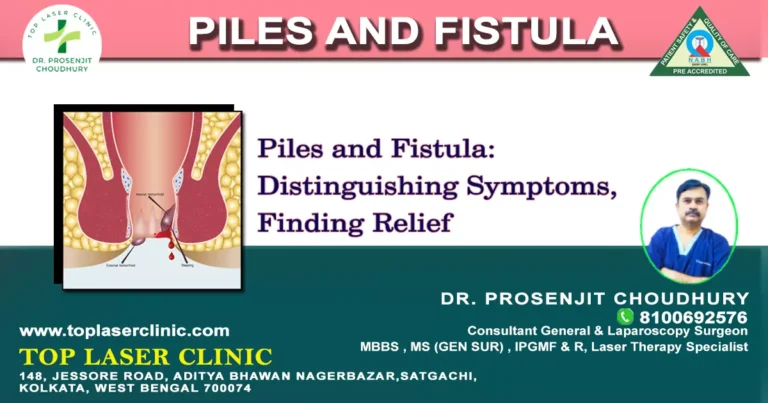
Piles and fistula difference

Piles-and-fistula-difference

Piles and fistula are two distinct medical conditions that affect the rectal area, but they differ in terms of their causes, symptoms, and treatment. Piles, also known as hemorrhoids, are swollen blood vessels in the rectum or anus. They can occur internally or externally and are commonly caused by increased pressure in the rectal area, such as straining during bowel movements or pregnancy. On the other hand, a fistula is an abnormal tunnel-like connection that forms between two organs or between an organ and the skin. This can occur due to various factors, including infection, trauma, or complications from other conditions such as diverticulitis.

Symptoms of piles and fistula

The symptoms of piles and fistula also differ. Piles often cause symptoms such as itching, pain, and bleeding during bowel movements. On the other hand, fistula symptoms may include pain, swelling, and signs of infection such as fever.

When it comes to treatment, both piles and fistula can be managed through various options in allopathic medicine. However, the specific treatment approach will depend on the severity and individual needs of each patient. When it comes to piles, treatment options may include lifestyle changes such as increasing fiber intake and staying hydrated, over-the-counter medications for symptom relief, or surgical interventions for severe cases.

For fistulas, the treatment approach may include percutaneous or endoscopic interventions when symptoms are manageable. However, surgical options are often required when symptoms are poorly controlled or if there is a risk of complications such as biliary obstruction or hemorrhage. It is important to consult with a healthcare professional for an accurate diagnosis and appropriate treatment plan for both piles and fistula.

Men are more commonly affected by fistula than women. However, the management and treatment of both conditions may vary depending on the type and cause of the fistula. It is worth noting that the presence of a fistula may not always necessitate surgery, and management decisions should be based on individual factors and the specific needs of the patient. In cases of fistula, experienced coloproctologists have reported high accuracy in detecting and classifying perianal fistulas, sinuses, and abscesses during the examination under anesthesia.

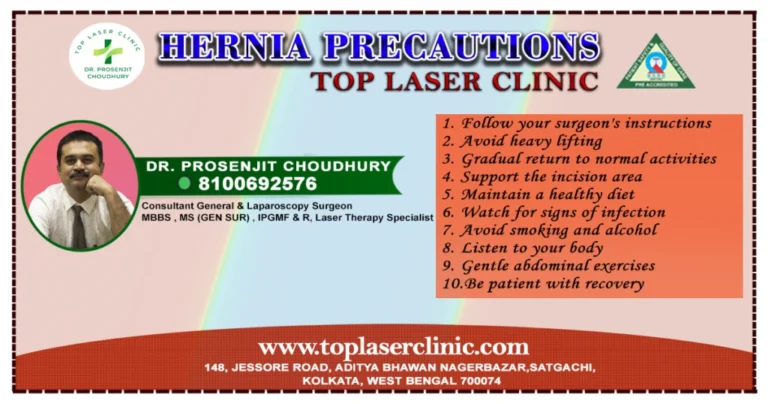
10 Hernia precautions !

After undergoing hernia surgery, it’s essential to follow certain precautions during the recovery period to promote proper healing and reduce the risk of complications. Here are some general hernia precautions to consider:

10 Hernia precautions

1.Follow your surgeon’s instructions:

Always adhere to the post-operative instructions provided by your surgeon or healthcare team. These instructions are tailored to your specific case and surgical procedure, so it’s crucial to follow them closely.

2.Avoid heavy lifting:

Refrain from lifting heavy objects or engaging in activities that require straining or excessive use of your abdominal muscles during the initial weeks of recovery. Heavy lifting can put strain on the surgical site and increase the risk of hernia recurrence.

3.Gradual return to normal activities:

Ease back into your daily activities and exercise routines gradually. Consult with your surgeon about when it’s safe to resume different activities based on your healing progress.

4.Support the incision area:

If you were given an abdominal binder or surgical support garment, wear it as directed by your surgeon. These garments can provide additional support to the incision area during the healing process.

5.Maintain a healthy diet:

Consume a balanced diet rich in fiber to prevent constipation, as straining during bowel movements can put pressure on the surgical site. Stay well-hydrated to keep your stools soft and easier to pass.

6.Watch for signs of infection:

Keep an eye on the incision site for any signs of infection, such as increasing redness, swelling, warmth, or drainage of pus. If you notice any concerning symptoms, contact your surgeon immediately.

7.Avoid smoking and alcohol:

Smoking and alcohol consumption can impair the healing process. If you smoke, refrain from smoking during the recovery period, and limit alcohol consumption.

8.Listen to your body:

Pay attention to how your body feels during the recovery process. If you experience pain, discomfort, or anything unusual, consult your healthcare provider.

9.Gentle abdominal exercises:

Once approved by your surgeon, you may start gentle abdominal exercises to strengthen your core muscles. However, avoid any exercises that cause pain or strain.

10.Be patient with recovery:

Healing time varies from person to person. Give your body the time it needs to heal properly before resuming all normal activities.

Remember that the recovery process after hernia surgery can take several weeks to months, depending on the type of hernia and the surgical technique used. By following these precautions and staying in close communication with your surgeon, you can improve the chances of a successful recovery and reduce the risk of complications.

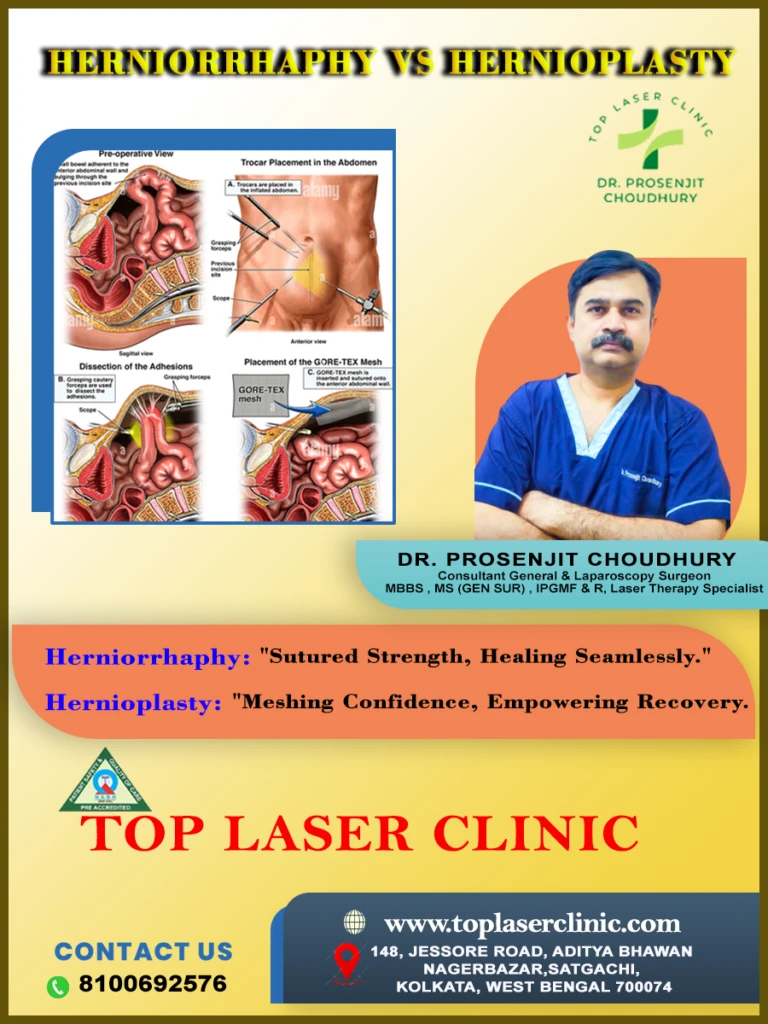
Herniorrhaphy vs Hernioplasty

The use of laser technology in hemorrhoid surgery, also known as laser hemorrhoidectomy, has both pros and cons. Some potential benefits of laser hemorrhoid surgery include reduced pain and discomfort, faster healing time, and minimal scarring. Additionally, laser surgery may result in less bleeding during the procedure and a lower risk of complications compared to traditional surgical techniques. However, it is important to note that laser hemorrhoid surgery may not be suitable for all patients.

Before undergoing laser hemorrhoid surgery, patients should consult with their healthcare provider to determine if they are a suitable candidate for the procedure. On the other hand, there are some potential drawbacks to consider. For example, laser hemorrhoid surgery may have a higher cost compared to traditional surgical methods. Additionally, the availability of laser equipment and trained surgeons may be limited in some areas.

1. Herniorrhaphy:

Herniorrhaphy is a traditional and older surgical technique for repairing a hernia. In this procedure, the surgeon makes an incision directly over the hernia site and pushes the herniated tissue back into the abdominal cavity. The weak area of the abdominal wall is then reinforced and closed using sutures (stitches) or surgical mesh. If sutures are used, they may be non-absorbable or absorbable, depending on the case.

(a) Pros of Herniorrhaphy:

~ It is a straightforward and well-established surgical technique.

~ The cost of materials (sutures) is usually lower than that of surgical mesh.

(b) Cons of Herniorrhaphy:

~There is a higher risk of recurrence compared to hernioplasty, particularly for larger or recurrent hernias.

~It may have a longer recovery period and more post-operative discomfort compared to hernioplasty.

~There is a higher likelihood of tension on the repaired area, which can lead to discomfort and complications.

2.Hernioplasty:

Hernioplasty is a more modern and widely adopted surgical technique for hernia repair. In this procedure, the surgeon also makes an incision over the hernia site, but instead of solely using sutures to close the defect, a surgical mesh is placed over the weakened area of the abdominal wall. The mesh provides additional support and helps to strengthen the area, reducing the risk of recurrence.

(a) Pros of Hernioplasty:

~ It has a lower risk of hernia recurrence compared to herniorrhaphy, especially for larger or recurrent hernias.

~Hernioplasty can lead to a quicker recovery and less post-operative discomfort.

~The use of mesh provides added support to the weakened abdominal wall, reducing tension on the repair.

(b)Cons of Hernioplasty:

~The cost of surgical mesh can be higher than that of sutures used in herniorrhaphy.

~ There is a very low risk of complications related to the mesh, such as infection or mesh migration, although these risks are relatively rare.

Ultimately, the choice between herniorrhaphy and hernioplasty depends on the individual patient’s case, the size and type of the hernia, the surgeon’s preference and expertise, and other factors. Both procedures can be effective in repairing a hernia, but hernioplasty with surgical mesh tends to be more commonly used due to its lower recurrence rate and faster recovery times. It’s essential to discuss the options with a qualified surgeon to determine the most appropriate approach for a specific hernia repair.

Laser treatment for fistula

Laser treatment for fistula

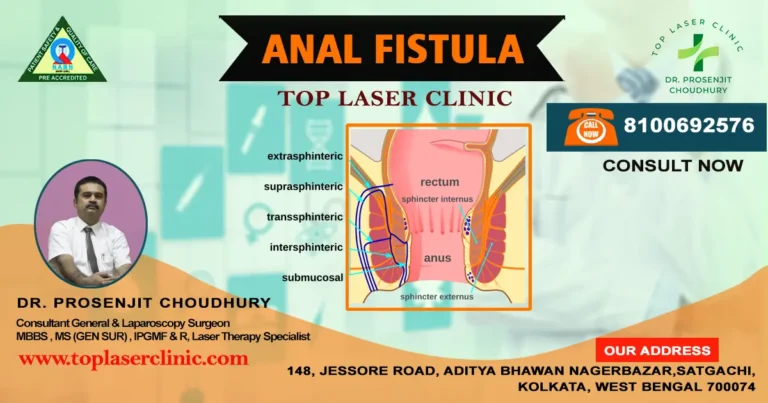
Laser treatment for fistula – A fistula is an abnormal connection or tunnel between two organs or structures in the body, most commonly found in the anal region. Traditional treatment options for fistulas include medication, seton placement (a thread-like material to help drain the fistula), and surgical interventions. Laser treatment is an alternative to conventional surgery and is performed on an outpatient basis.

This type of treatment uses laser technology to target and seal the fistula, promoting healing and preventing further complications. Fistula laser treatment offers several advantages over traditional surgical methods.

Firstly, it is a less invasive procedure compared to open surgery. Instead of making large incisions, the laser is inserted through small openings, resulting in minimal tissue damage and faster recovery time for patients. Additionally, the use of laser technology allows for more precise and controlled treatment. The focused laser beam can accurately target the fistula, resulting in effective closure without damaging surrounding healthy tissue. Furthermore, the wavelength of the carbon dioxide laser used in fistula laser treatment is particularly well-suited for this type of procedure.

The specific procedure and technique used for laser treatment of fistulas may vary depending on the individual case and the surgeon’s expertise. It is typically performed under local or general anesthesia, and the patient may be able to go home the same day or after a short hospital stay.

The 10600nm wavelength of the CO2 laser is absorbed by water, which is present in all cells. This allows the laser to effectively vaporize and coagulate the tissue of the fistula, leading to its closure.

Fistula laser treatment has shown promising results in clinical studies.

Classification of Hernia

Classification of Hernia , Hernias are common medical conditions that occur when an internal organ or tissue protrudes through a weak spot in the surrounding muscle or connective tissue. There are various classification systems for hernias that help in understanding their characteristics and guiding treatment approaches. This classification takes into account several factors, including the location, size, reducibility, and symptoms of the hernia.

Hernias can be classified based on their location or anatomical site. The following are the common types of hernias:

Classification of Hernia

1.Inguinal Hernia:

This is the most common type of hernia and occurs in the groin area. It can be further classified into:

(a). Direct Inguinal Hernia :

This type of hernia occurs when abdominal contents push through a weak area in the abdominal wall in the inguinal canal, which is located closer to the groin crease.

(b). Indirect Inguinal Hernia :

This type of hernia occurs when abdominal contents protrude through the inguinal canal, which is a passage that should have closed before birth. It usually occurs near the internal inguinal ring and can extend into the scrotum in males.

2.Femoral Hernia:

This type of hernia occurs in the upper thigh or groin, below the inguinal ligament. It is more common in women and has a higher risk of incarceration and strangulation compared to inguinal hernias.

3.Umbilical Hernia:

This hernia appears near the belly button or navel. It occurs when a section of the small intestine or fatty tissue protrudes through a weakened spot in the abdominal wall near the umbilicus.

4.Incisional Hernia:

This hernia occurs at the site of a previous surgical incision or scar. It can happen when the abdominal muscles do not heal properly after surgery, resulting in a weakened area that allows abdominal contents to push through.

5.Hiatal Hernia:

This hernia occurs when a part of the stomach protrudes through the diaphragm into the chest cavity. Hiatal hernias are usually associated with the weakening of the diaphragm muscles around the hiatus, which is the opening in the diaphragm where the esophagus passes through .

6.Other Less Common Hernias:

There are various other types of hernias, including incisional hernias (hernias that occur at sites of previous surgeries), epigastric hernias (protrusion between the belly button and the sternum), and Spigelian hernias (protrusion through the abdominal wall at the edge of the rectus muscle).