Introduction
Leg pain and swelling can sometimes be caused by tired muscles or minor injuries. However, in certain cases, these symptoms may indicate a more serious condition called Deep Vein Thrombosis (DVT).
DVT occurs when a blood clot forms in a deep vein, most commonly in the leg. If the clot travels to the lungs, it can cause a life-threatening condition known as pulmonary embolism.
Recognising the warning signs and seeking timely medical care are important steps towards preventing serious complications. In this blog, we will explain the causes, symptoms, risk factors, diagnosis and treatment of deep vein thrombosis in simple words.
Table of Contents
1. What Is Deep Vein Thrombosis (DVT)?
Deep Vein Thrombosis is a medical condition in which a blood clot develops in a deep vein, usually in the lower leg, thigh or pelvis.
Veins carry blood back towards the heart. When blood flow slows down or the blood becomes more likely to clot, a clot may develop inside a vein.
DVT requires prompt medical evaluation because part of the clot can break away and travel to the lungs.
Important facts about DVT:
- It may cause pain, swelling, warmth or redness.
- Some people experience no noticeable symptoms.
- Early diagnosis and appropriate treatment can reduce the risk of complications.
2. What Are the Early Symptoms of Deep Vein Thrombosis?
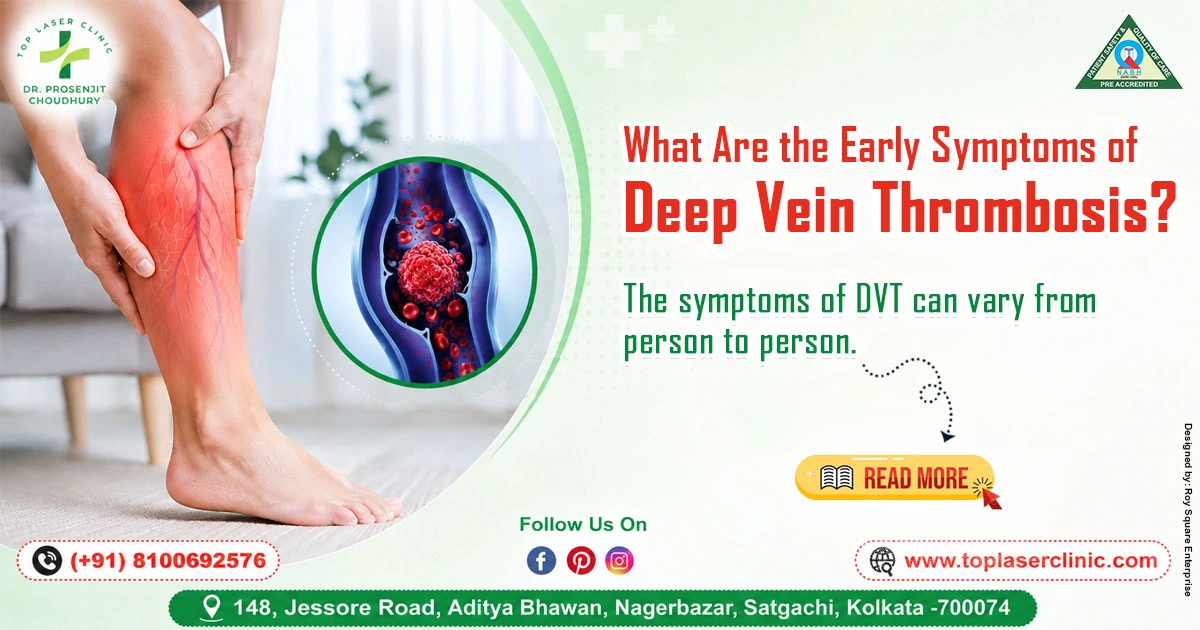
The symptoms of DVT can vary from person to person. Some people notice sudden changes in one leg, while others may have very few symptoms.
Common warning signs include:
1. Swelling in one leg: One leg may become noticeably more swollen than the other.
2. Leg pain or tenderness: You may experience pain or discomfort in the calf or thigh.
3. Warm skin: The affected area may feel warmer than the surrounding skin.
4. Skin colour changes: The skin may appear red, darker than usual or discoloured.
5. Swollen or tender veins: Some superficial veins may become more noticeable, although this sign alone does not confirm DVT.
3. What Causes Deep Vein Thrombosis?
DVT often develops when blood flow slows down, a vein becomes damaged, or the blood becomes more prone to clotting.
Common causes and contributing factors include:
- Prolonged immobility: Sitting or lying down for long periods can slow blood circulation.
- Surgery or injury: Certain operations and injuries increase the risk of clot formation.
- Reduced movement during illness: Hospitalisation or prolonged bed rest can increase the risk.
- Changes in blood clotting: Some inherited or acquired conditions make blood clots more likely.
- Certain hormonal medicines: Oestrogen-containing contraceptives and hormone therapy can increase clot risk in some people.
Understanding the possible causes can help you recognise when medical assessment may be necessary.
4. What Are the Common Risk Factors for DVT?
Anyone can develop deep vein thrombosis, but some people have a higher risk.
Important risk factors include:
- Previous DVT or pulmonary embolism
- Major surgery or serious injury
- Long periods of immobility
- Cancer and some cancer treatments
- Pregnancy and the period after childbirth
- Older age
- Obesity
- A family history of blood clots
- Certain hormonal medications
- Inherited clotting disorders
Having one or more risk factors does not mean you will definitely develop DVT. However, knowing your risk can help you and your doctor take suitable preventive measures.
5. How Is Deep Vein Thrombosis Diagnosed?
Doctors use medical history, physical examination and appropriate tests to assess whether a blood clot may be present.
Medical history and physical examination
Your doctor may ask about your symptoms, recent travel, surgery, medications and previous blood clots. They may also examine your leg for swelling, tenderness and skin changes.
D-dimer blood test
A D-dimer test measures a substance released when a blood clot breaks down. A negative result can help rule out DVT in certain patients with an appropriate low-risk assessment. A positive result does not confirm DVT by itself.
Duplex ultrasound
Ultrasound is commonly used to examine blood flow and identify clots in the deep veins of the legs.
Additional investigations
Depending on the findings, your doctor may recommend repeat ultrasound or other imaging tests.
Prompt diagnosis is important because DVT cannot be reliably confirmed or ruled out through symptoms alone.
6. How Can You Prevent Deep Vein Thrombosis Naturally?
Although not every blood clot can be prevented, several healthy habits can help reduce the risk, particularly during periods of inactivity.
Move during long journeys: When travelling for several hours, take regular walking breaks when possible and move your ankles and feet while seated.
Drink enough fluids: Maintain normal hydration, especially during travel or illness. Drinking extra water alone does not prevent DVT.
Follow medical advice after surgery: Your healthcare team may recommend early movement, compression devices or preventive medication, depending on your risk.
Maintain a healthy weight: Regular physical activity and balanced meals can support overall circulation and health.
Discuss your individual risk: If you have had DVT before or have several risk factors, ask your doctor about a personalised prevention plan.
Do not start aspirin or blood-thinning medicines for DVT prevention without medical advice.
7. What Are the Complications of Untreated DVT?
Untreated DVT can lead to serious complications. Timely diagnosis and appropriate treatment are essential to reduce these risks.
Pulmonary embolism
A blood clot may travel to the lungs and block blood flow. Pulmonary embolism can be life-threatening and requires emergency treatment.
Post-thrombotic syndrome
Damage to the veins may lead to long-term swelling, pain, heaviness and skin changes in the affected leg.
Recurrent blood clots
Some people remain at risk of developing another clot, particularly if the underlying risk factors continue.
Early medical attention can help reduce the likelihood of these complications and support appropriate follow-up care.
8. When Should You See a Doctor?
Do not ignore unexplained swelling, pain, warmth or discolouration in one leg, especially if you have recently undergone surgery, travelled for a long time or experienced prolonged immobility.
Seek urgent medical assessment if DVT is suspected. Do not wait for the symptoms to become severe.
Call emergency services immediately if you experience:
- Sudden shortness of breath
- Chest pain, particularly when breathing deeply
- Coughing up blood
- Fainting or sudden collapse
These symptoms may indicate a pulmonary embolism or another medical emergency. Do not attempt to treat suspected DVT at home or massage the affected leg.
9. Treatment Options for Deep Vein Thrombosis
DVT treatment depends on the location of the clot, its severity, your medical history and your risk of bleeding.
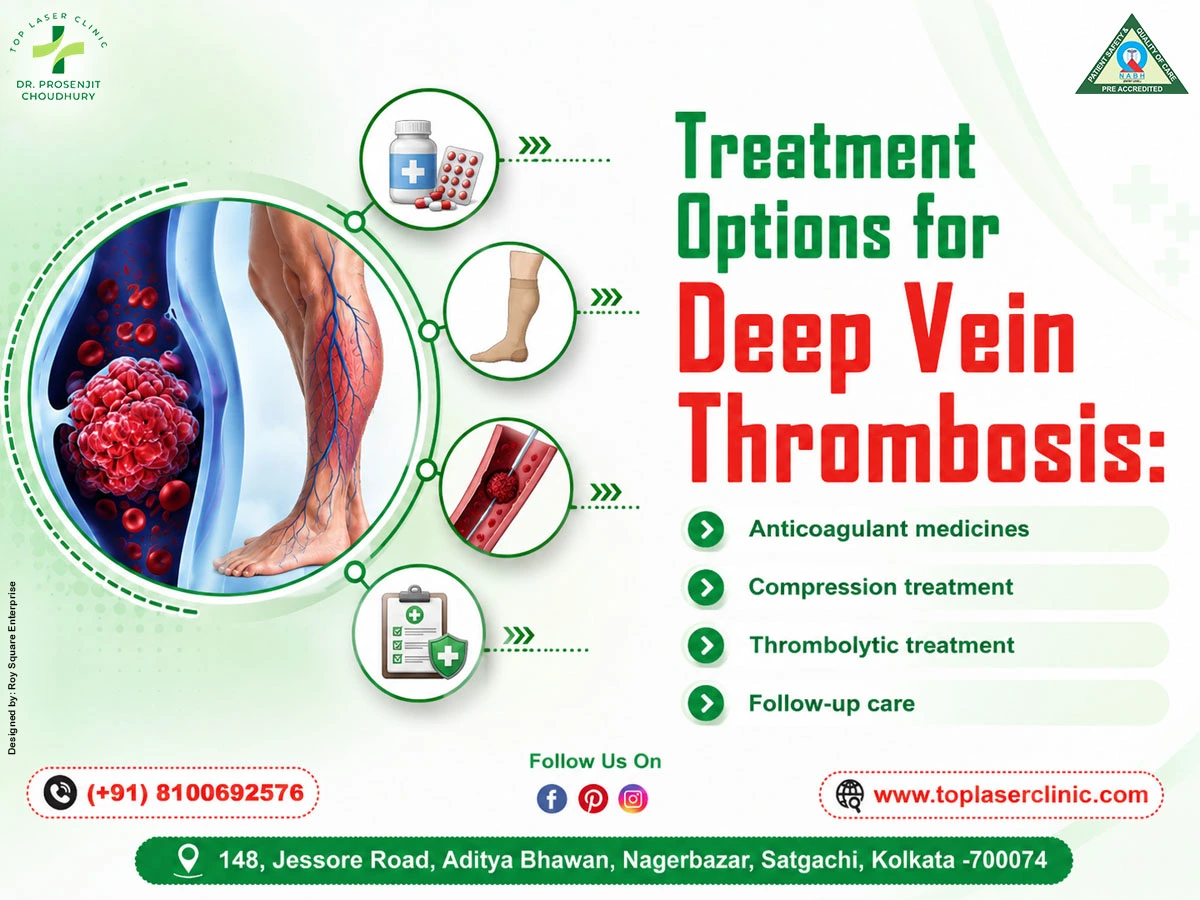
Anticoagulant medicines
Blood thinners, also called anticoagulants, are commonly used to prevent a clot from growing and reduce the risk of new clots. They do not directly dissolve the existing clot, although the body gradually breaks it down.
Compression treatment
Some patients may benefit from compression garments to manage leg symptoms. Their use should be guided by a healthcare professional.
Thrombolytic treatment
In selected cases of severe DVT, clot-dissolving medicines or specialised procedures may be considered. These treatments are not necessary for everyone and can carry significant risks.
Follow-up care
Your doctor will determine how long treatment should continue and whether additional investigations are required. Never stop prescribed anticoagulants without medical advice.
10. Why Choose Dr. Prosenjit Choudhury at Top Laser Clinic?
Choosing an appropriate healthcare professional is important when you have concerns about leg pain, swelling or other symptoms that may require medical evaluation.
Dr. Prosenjit Choudhury is an experienced General & Laparoscopic Surgeon in Kolkata at Top Laser Clinic. Patients seeking general surgical consultation can enquire about the clinic’s available services and whether their concerns are appropriate for consultation there.
Reasons to consider a consultation include:
- Professional evaluation: Discuss your symptoms and medical history with a qualified healthcare professional.
- Guidance on next steps: Understand whether investigations or referral to another specialist may be necessary.
- Individualised advice: Receive guidance based on your symptoms and overall health.
- Appropriate referral: Suspected DVT requires prompt assessment and may need emergency, medical or vascular specialist care.
People searching online for the best general surgeon in Kolkata should consider a doctor’s qualifications, relevant experience and suitability for their specific condition.
Please note that suspected DVT should not be managed as a routine clinic concern if emergency symptoms are present. Seek emergency care immediately when pulmonary embolism is suspected.
Conclusion
Deep Vein Thrombosis is a serious condition that can develop when a blood clot forms in a deep vein, usually in the leg. Swelling, pain, warmth and skin colour changes may be warning signs, although some people have no symptoms.
Staying active, taking preventive measures during prolonged immobility and following medical advice can help reduce the risk. Most importantly, seek prompt medical assessment if you suspect DVT, and get emergency help for sudden breathlessness, chest pain or coughing up blood.
For general surgical consultation in Kolkata, you can enquire about services at Top Laser Clinic with Dr. Prosenjit Choudhury. However, suspected DVT requires timely assessment by an appropriate medical team.
1. What is deep vein thrombosis?
Deep vein thrombosis is a condition in which a blood clot forms in a deep vein, most commonly in the leg.
2. What are the early symptoms of DVT?
Common symptoms include one-sided leg swelling, pain, tenderness, warmth and skin colour changes.
3. What causes blood clots in the legs?
Reduced blood flow, vein injury and increased blood clotting tendency can contribute to DVT.
4. Is deep vein thrombosis dangerous?
Yes, DVT can cause a life-threatening pulmonary embolism if a clot travels to the lungs.
5. Can DVT occur without symptoms?
Yes, some people with DVT have no noticeable symptoms.
6. How is deep vein thrombosis diagnosed?
Doctors assess symptoms and risk factors and may use D-dimer blood testing and duplex ultrasound.
7. What is the treatment for DVT?
Anticoagulant medicines are commonly used, while selected severe cases may require specialised procedures.
8. Can walking help prevent DVT?
Regular movement can help reduce clot risk associated with prolonged immobility, although it cannot prevent every case.
9. Can deep vein thrombosis go away on its own?
A clot may gradually be broken down by the body, but suspected DVT requires medical assessment and may need treatment.
10. When should I seek emergency care for DVT?
Seek emergency care for sudden shortness of breath, chest pain, coughing up blood, fainting or collapse.

