Table of Contents
What is Thalassemia?
When it is low or abnormal, it leads to anemia and other serious health issues.
This condition is inherited, meaning it passes from parents to children. It is not caused by lifestyle or infection, making awareness and prevention extremely important.
Importance of World Thalassemia Day
World Thalassemia Day is observed every year on May 8 to spread awareness about this condition and support patients living with it.
Why it matters:
- Promotes early diagnosis and prevention
- Encourages voluntary blood donation
- Supports families dealing with lifelong treatment
- Spreads knowledge in high-risk countries like India
It’s not just a day—it’s a movement toward a healthier, informed society.
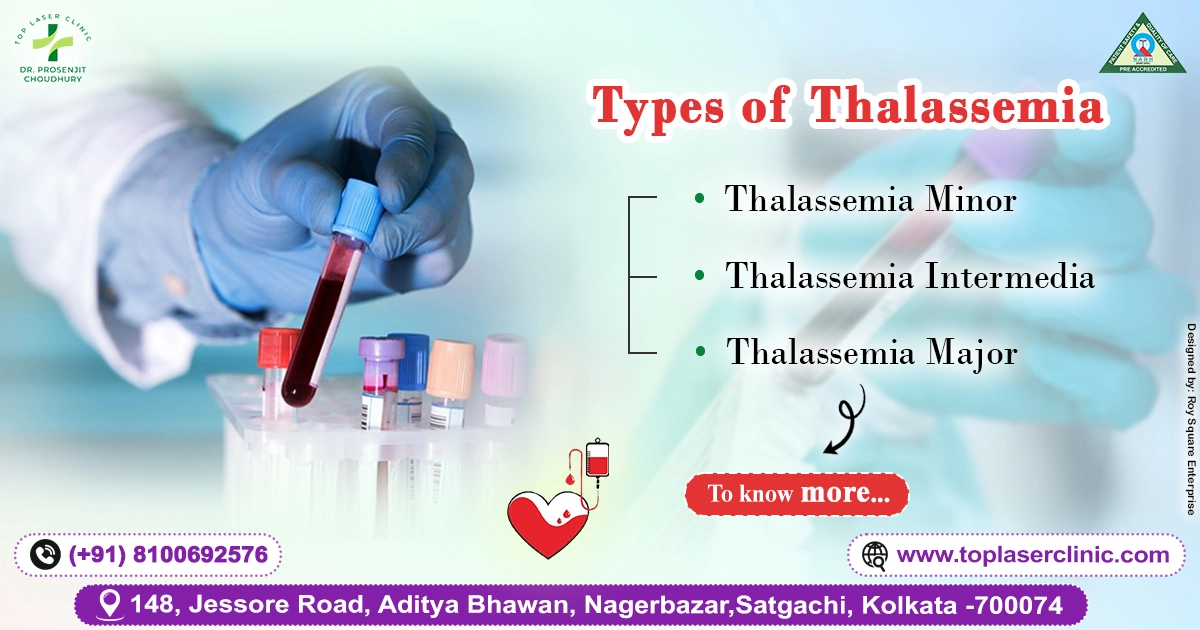
Types of Thalassemia
There are mainly three types:
- Thalassemia Minor: Carrier stage, usually no major symptoms
- Thalassemia Intermedia: Moderate symptoms, occasional treatment needed
- Thalassemia Major: Severe form, requires lifelong blood transfusions
Understanding the type helps in proper treatment planning.
Causes of Thalassemia
Thalassemia is caused by mutations in genes responsible for hemoglobin production.
Key causes include:
- Inheritance from one or both parents
- Higher risk if both parents are carriers
- No environmental or lifestyle cause
This is why genetic counseling plays a vital role.
Symptoms You Should Not Ignore
Symptoms may vary depending on severity but common signs include:
- Persistent fatigue and weakness
- Pale or yellowish skin
- Delayed growth in children
- Bone deformities (in severe cases)
- Enlarged spleen
Diagnosis & Screening
Early diagnosis can make a significant difference.
Common tests:
- Complete Blood Count (CBC)
- Hemoglobin electrophoresis
- Genetic testing
- Prenatal screening for unborn babies
Screening before marriage or pregnancy is highly recommended, especially in high-risk regions.
Treatment Options
While thalassemia is a lifelong condition, modern treatments help patients live better lives:
- Regular blood transfusions
- Iron chelation therapy (to remove excess iron)
- Bone marrow transplant (potential cure)
- Advanced gene therapy (emerging treatment)
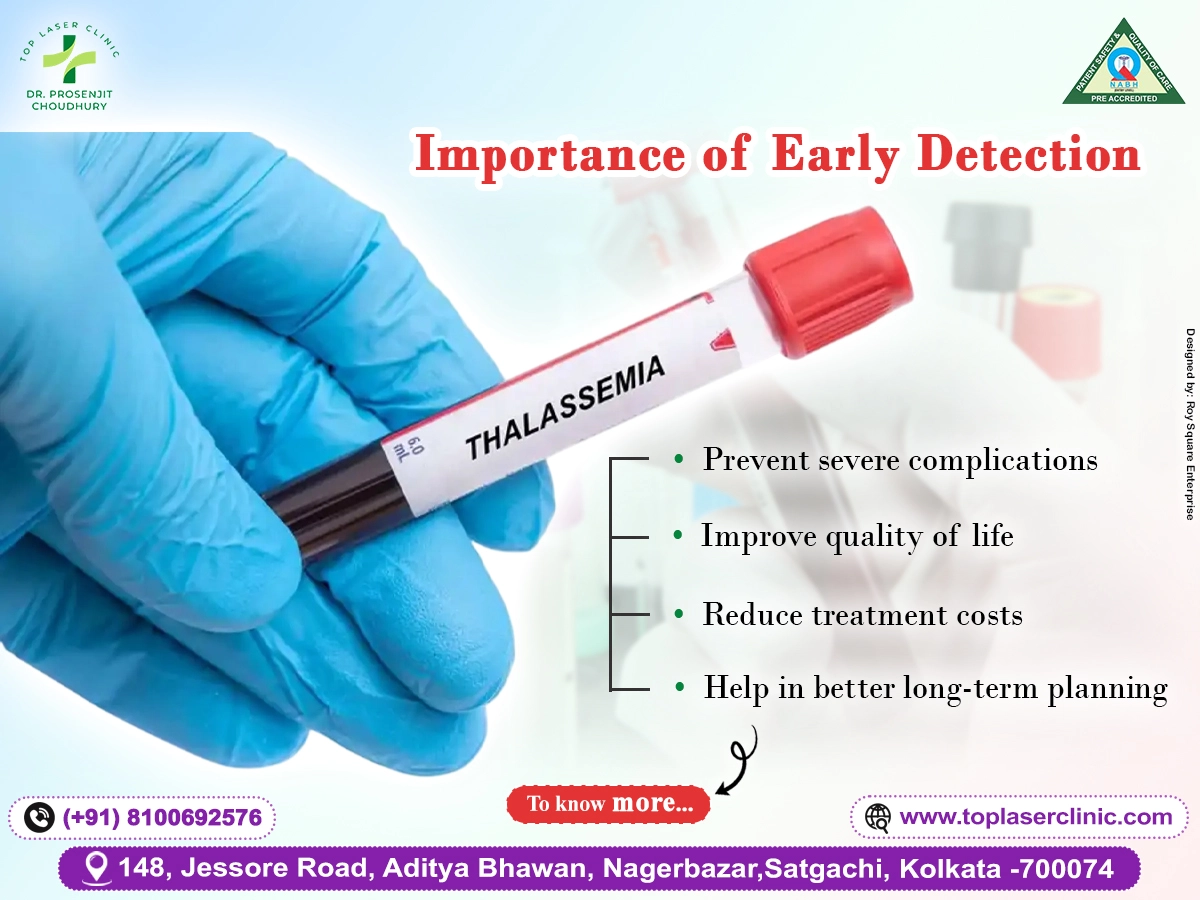
Importance of Early Detection
Early detection can:
- Prevent severe complications
- Improve quality of life
- Reduce treatment costs
- Help in better long-term planning
It also gives families time to make informed decisions.
Prevention Strategies
Prevention is the strongest weapon against thalassemia.
Effective strategies include:
- Premarital screening
- Genetic counseling
- Public awareness programs
- Regular health check-ups
A simple test can prevent a lifetime of struggle.
Social Awareness & Community Support
Community awareness plays a powerful role in reducing the burden of thalassemia.
- Encourage blood donation drives
- Support affected families emotionally and financially
- Spread awareness through campaigns and social media
- Break myths and stigma
Together, society can create a meaningful impact.
When to See a Doctor
Consult a doctor if you notice:
- Unusual tiredness or weakness
- Frequent need for blood transfusions
- Family history of thalassemia
- Symptoms of anemia in children
Early consultation can save lives.
Why Choose Dr. Prosenjit Choudhury, Top Laser Clinic
When it comes to expert care, Dr. Prosenjit Choudhury is a trusted name.
At Top Laser Clinic, patients receive advanced, patient-focused treatment with modern medical support.
Why patients trust him:
- Highly experienced General & Laparoscopic Surgeon
- Known as one of the best general surgeon in Kolkata
- Focus on accurate diagnosis and compassionate care
- Advanced facilities for surgical and non-surgical treatments
Dr. Prosenjit Choudhury believes in early diagnosis and patient education to improve outcomes. At Top Laser Clinic, every patient receives personalized attention and the best possible care.
With years of expertise, Dr. Prosenjit Choudhury continues to serve patients with dedication and excellence.
Conclusion
World Thalassemia Day is a reminder that awareness can save lives. With early detection, proper treatment, and strong community support, the impact of thalassemia can be reduced significantly.
A small step like screening can prevent a lifetime of struggle. Let’s work together to spread awareness, support patients, and build a healthier future.
1. Is thalassemia curable?
Bone marrow transplant can offer a potential cure in some cases.
2. Can thalassemia be prevented?
Yes, through genetic screening and counseling.
3. Is thalassemia contagious?
No, it is not infectious—it is genetic.
4. Who is at risk?
People with a family history or from high-risk regions.
5. Can carriers live normal lives?
Yes, carriers usually have no major symptoms.
6. How often are transfusions needed?
Depends on severity—sometimes every few weeks.
7. What is the role of iron therapy?
To prevent iron overload due to transfusions.
8. Can children be tested before birth?
Yes, prenatal screening is available.
9. Is thalassemia common in India?
Yes, India has a high number of carriers.
10. Can lifestyle changes cure it?
No, but a healthy lifestyle supports overall well-being.

