Table of Contents
________________________________________
Introduction
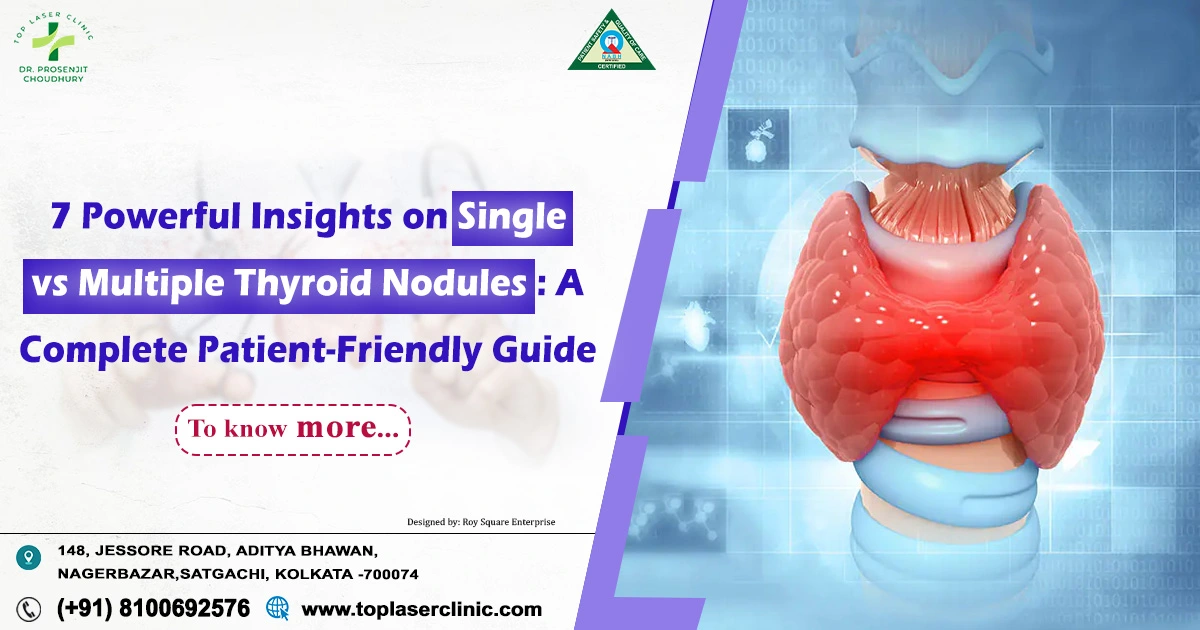
Thyroid nodules are quite common, especially among adults and women. Many people discover them accidentally during routine check-ups. While the word “nodule” may sound worrying, most thyroid nodules are harmless. However, understanding the difference between single and multiple thyroid nodules is important for proper diagnosis and treatment.
________________________________________
What is a Single Thyroid Nodule?
A single thyroid nodule, also called a solitary nodule, is a single lump that develops in the thyroid gland.
Key points:
• It can be solid or fluid-filled
• May or may not produce symptoms
• Requires careful evaluation because it has a slightly higher risk of cancer compared to multiple nodules
________________________________________
What are Multiple Thyroid Nodules?
Multiple nodules in the thyroid gland are known as multinodular goiter.
Key points:
• More than one lump present in the thyroid
• Common in long-standing thyroid conditions
• Usually benign (non-cancerous)
• Often linked with iodine deficiency or hormonal imbalance
________________________________________________________________________________
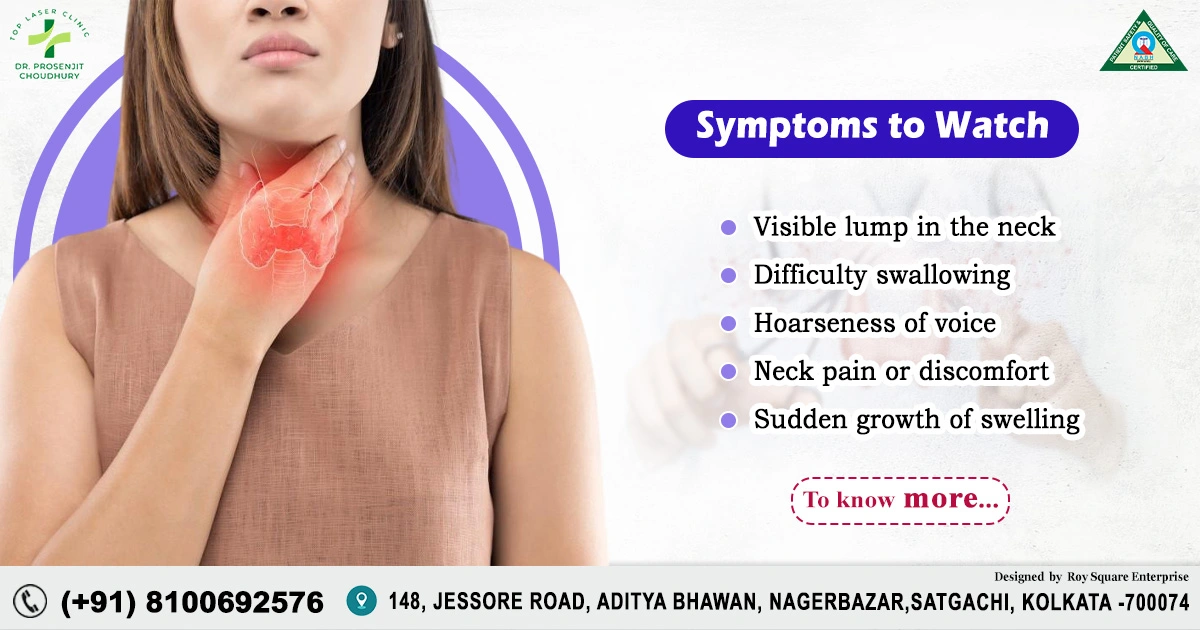
Symptoms to Watch
• Difficulty swallowing
• Hoarseness of voice
• Neck pain or discomfort
• Sudden growth of swelling
• Symptoms of thyroid imbalance (weight changes, fatigue)
________________________________________
Diagnosis & Evaluation
Common tests include:
• Thyroid Ultrasound – checks size, number, and structure
• FNAC (Fine Needle Aspiration Cytology) – detects cancer cells
• Thyroid Function Tests (TSH, T3, T4)
• Radioactive Iodine Scan (if needed)
Important: Not all nodules require biopsy—only suspicious ones.
________________________________________
Cancer Risk: What Patients Should Know
• Single nodules carry a slightly higher cancer risk (5–10%)
• Multiple nodules are usually benign, but cancer is still possible
Warning signs:
• Rapid growth
• Hard, fixed lump
• Family history of thyroid cancer
• History of radiation exposure
________________________________________
Treatment Options
Treatment depends on the size, symptoms, and cancer risk.
Options include:
• Observation (Watchful Waiting) – for small, harmless nodules
• Medications – to manage hormone imbalance
• Minimally Invasive Procedures – like radiofrequency ablation
• Surgery (Thyroidectomy) – if cancer is suspected or symptoms are severe
________________________________________
When to See a Doctor
Do not ignore these signs:
• New lump in the neck
• Difficulty breathing or swallowing
• Sudden increase in size
• Persistent voice changes
________________________________________
Benefits of Early Treatment
• Early detection reduces cancer risk
• Avoids complications and surgery in many cases
• Better recovery and outcomes
• Peace of mind for patients
________________________________________
Why Choose Dr. Prosenjit Choudhury, Top Laser Clinic
When it comes to thyroid care, choosing the right doctor matters.
Dr. Prosenjit Choudhury, at Top Laser Clinic, is an experienced General & Laparoscopic Surgeon in Kolkata known for patient-focused care and advanced treatment methods.
Why patients trust him:
• Expertise in thyroid and laparoscopic surgeries
• Modern diagnostic and treatment approach
• Personalized care for every patient
• Focus on minimally invasive techniques
If you are searching for the best general surgeon in Kolkata, Dr. Prosenjit Choudhury at Top Laser Clinic offers reliable and effective treatment options.
Many patients have benefited from the expert guidance of Dr. Prosenjit Choudhury, making him a trusted name in thyroid care.
________________________________________
Conclusion
Both single and multiple thyroid nodules are common and often harmless. However, they should never be ignored. While single nodules may need closer monitoring, multiple nodules are usually benign but still require evaluation.
With early diagnosis, proper monitoring, and expert care from specialists like Dr. Prosenjit Choudhury, patients can manage thyroid nodules effectively and live a healthy life.
_______________________________________
1. Is a single thyroid nodule dangerous?
Not always, but it needs proper evaluation as it may have a slightly higher cancer risk.
2. Are multiple thyroid nodules cancerous?
Most are benign, but some cases may require further testing.
3. Do all thyroid nodules need surgery?
No, many nodules can be managed without surgery.
4. Can thyroid nodules disappear on their own?
Some small nodules may shrink, but regular monitoring is important.
5. What is the best test for thyroid nodules?
Ultrasound and FNAC are the most important diagnostic tests.
6. How do I know if my thyroid nodule is serious?
Warning signs include rapid growth, pain, and difficulty swallowing.
7. Can lifestyle changes help thyroid nodules?
Healthy diet and iodine intake may help but cannot replace medical care.
8. Is thyroid surgery safe?
Yes, when performed by an experienced surgeon.
9. How often should nodules be checked?
Usually every 6–12 months, depending on the condition.
10. When should I see a doctor for thyroid nodules?
You should consult a specialist if you notice a lump in the neck, voice changes, or difficulty swallowing.

