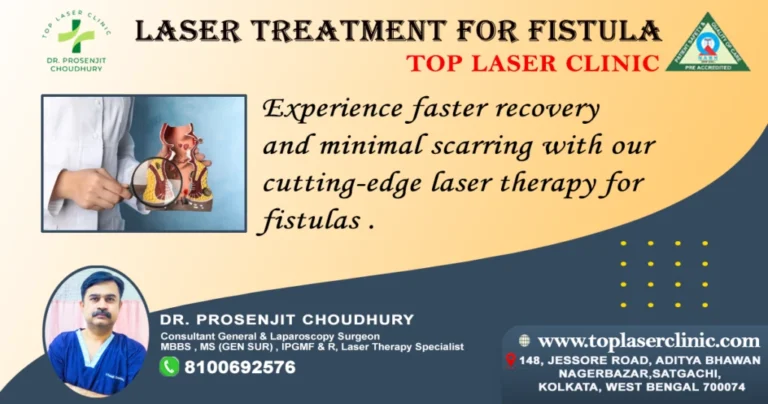
Laser treatment for fistula – A fistula is an abnormal connection or tunnel between two organs or structures in the body, most commonly found in the anal region. Traditional treatment options for fistulas include medication, seton placement (a thread-like material to help drain the fistula), and surgical interventions. Laser treatment is an alternative to conventional surgery and is performed on an outpatient basis.
This type of treatment uses laser technology to target and seal the fistula, promoting healing and preventing further complications. Fistula laser treatment offers several advantages over traditional surgical methods.
Firstly, it is a less invasive procedure compared to open surgery. Instead of making large incisions, the laser is inserted through small openings, resulting in minimal tissue damage and faster recovery time for patients. Additionally, the use of laser technology allows for more precise and controlled treatment. The focused laser beam can accurately target the fistula, resulting in effective closure without damaging surrounding healthy tissue. Furthermore, the wavelength of the carbon dioxide laser used in fistula laser treatment is particularly well-suited for this type of procedure.
The specific procedure and technique used for laser treatment of fistulas may vary depending on the individual case and the surgeon’s expertise. It is typically performed under local or general anesthesia, and the patient may be able to go home the same day or after a short hospital stay.
The 10600nm wavelength of the CO2 laser is absorbed by water, which is present in all cells. This allows the laser to effectively vaporize and coagulate the tissue of the fistula, leading to its closure.
Fistula laser treatment has shown promising results in clinical studies.
Classification of Hernia , Hernias are common medical conditions that occur when an internal organ or tissue protrudes through a weak spot in the surrounding muscle or connective tissue. There are various classification systems for hernias that help in understanding their characteristics and guiding treatment approaches. This classification takes into account several factors, including the location, size, reducibility, and symptoms of the hernia.
Table of Contents
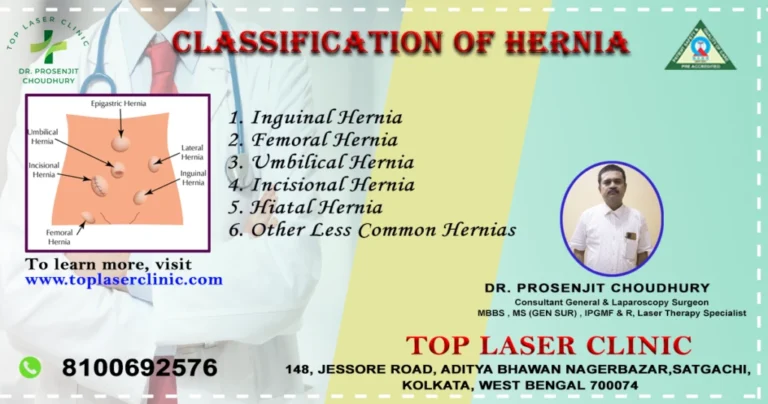
Hernias can be classified based on their location or anatomical site. The following are the common types of hernias:
Classification of Hernia
1.Inguinal Hernia:
This is the most common type of hernia and occurs in the groin area. It can be further classified into:
(a). Direct Inguinal Hernia :
This type of hernia occurs when abdominal contents push through a weak area in the abdominal wall in the inguinal canal, which is located closer to the groin crease.
(b). Indirect Inguinal Hernia :
This type of hernia occurs when abdominal contents protrude through the inguinal canal, which is a passage that should have closed before birth. It usually occurs near the internal inguinal ring and can extend into the scrotum in males.
2.Femoral Hernia:
This type of hernia occurs in the upper thigh or groin, below the inguinal ligament. It is more common in women and has a higher risk of incarceration and strangulation compared to inguinal hernias.
3.Umbilical Hernia:
This hernia appears near the belly button or navel. It occurs when a section of the small intestine or fatty tissue protrudes through a weakened spot in the abdominal wall near the umbilicus.
4.Incisional Hernia:
This hernia occurs at the site of a previous surgical incision or scar. It can happen when the abdominal muscles do not heal properly after surgery, resulting in a weakened area that allows abdominal contents to push through.
5.Hiatal Hernia:
This hernia occurs when a part of the stomach protrudes through the diaphragm into the chest cavity. Hiatal hernias are usually associated with the weakening of the diaphragm muscles around the hiatus, which is the opening in the diaphragm where the esophagus passes through .
6.Other Less Common Hernias:
There are various other types of hernias, including incisional hernias (hernias that occur at sites of previous surgeries), epigastric hernias (protrusion between the belly button and the sternum), and Spigelian hernias (protrusion through the abdominal wall at the edge of the rectus muscle).
Burst varicose veins, also known as varicose vein rupture or spontaneous venous bleeding, occur when a weakened vein in the varicose vein network ruptures and causes bleeding, can be a distressing and potentially serious condition that requires immediate medical attention.
Table of Contents
When a varicose vein bursts, it can result in sudden bleeding and cause significant pain and discomfort. Not only can burst varicose veins lead to physical symptoms, but they can also have psychological and emotional effects on individuals. Other possible symptoms may include:
Sudden pain or aching in the affected area.
Swelling or inflammation around the ruptured vein.
Skin discoloration or the formation of a bruise.
Feeling lightheaded or dizzy, especially if there is significant blood loss.
They may experience fear, anxiety, and a loss of confidence due to the unexpected nature of the bleeding and the visible signs of blood. If left untreated, burst varicose veins can lead to complications such as infections and ulcers. Fortunately, there are options available to treat burst varicose veins without the need for surgery.
Burst varicose vein
Treatment:
If anyone experienced a burst varicose vein, it is crucial to seek immediate medical attention. Here’s what you can expect in terms of treatment:
Apply pressure: Apply firm pressure to the bleeding area with a clean cloth or towel to help control the bleeding.
Elevate the leg: Elevating the affected leg can help reduce blood flow to the area and alleviate pressure on the veins.
Seek medical assistance: Contact emergency services or go to the nearest hospital for evaluation and treatment. Medical professionals will assess the severity of the bleeding and determine the appropriate course of action.
Treatment options: Depending on the severity of the burst vein, treatment options may include applying local compression, cauterizing the bleeding vein, or performing a minor surgical procedure to repair or remove the affected vein.
Prevention:
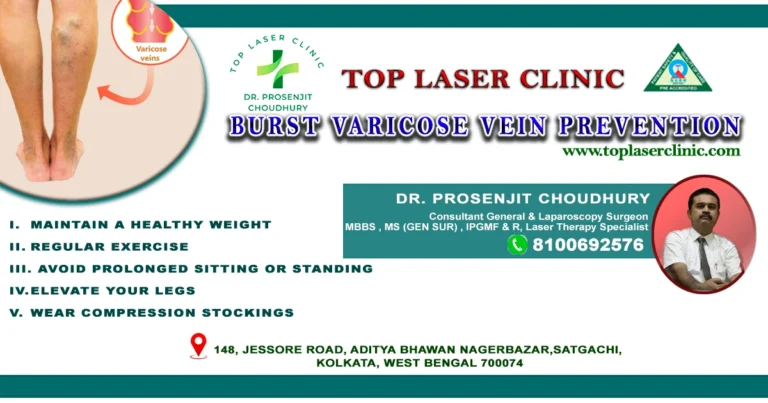
While it’s not always possible to prevent burst varicose veins, there are measures you can take to reduce your risk:
Maintain a healthy weight: Excess weight can increase pressure on your veins, so maintaining a healthy weight can alleviate strain.
Regular exercise: Engaging in regular physical activity can improve circulation and strengthen the muscles that support your veins.
Avoid prolonged sitting or standing: Take breaks and move around if your job involves extended periods of sitting or standing.
Elevate your legs: Elevating your legs whenever possible can help reduce pressure in your veins.
Wear compression stockings: Compression stockings provide support and help improve blood flow in the legs.
Varicose veins are a medical condition that affects many people, causes discomfort, and can be very aesthetically displeasing. The demand for varicose veins treatment has increased as patients have become more aware that their “tired, aching” legs no longer need to be tolerated. While there are several treatment options for varicose veins, physiotherapy techniques have proven to be effective in managing and even treating the condition. Physiotherapy can play a vital role in managing varicose veins, utilizing a combination of exercises, compression therapy, and manual techniques to reduce symptoms and improve blood flow.
In order to develop an effective varicose veins treatment plan, it is important to first understand the condition. Varicose veins are enlarged and twisted veins that usually occur in the legs. They occur when blood does not flow properly through the veins, causing them to swell and bulge. The causes of varicose veins are not fully understood, but they are typically influenced by genetics, age, gender, pregnancy, and lifestyle factors such as prolonged standing or sitting. Symptoms of varicose veins include pain, swelling, aching and heaviness in the legs.
Physiotherapy plays a significant role in managing varicose veins.Studies have shown that supervised exercises, such as walking and leg elevation, can improve symptoms of varicose veins. In addition, compression therapy with stockings or wraps can also be used to reduce edema and improve blood flow.
Physiotherapists may also use techniques such as manual lymphatic drainage (MLD is a specialized massage technique that aims to stimulate lymphatic flow and reduce swelling. While primarily used for lymphedema, MLD can also be beneficial in managing associated swelling and discomfort in varicose veins) and myofascial release to manage symptoms of varicose veins. Overall, a physiotherapy treatment plan for varicose veins may include exercises to improve circulation and reduce symptoms, compression therapy with stockings or wraps to reduce swelling and improve blood flow, as well as manual techniques to manage symptoms such as pain and discomfort.
However, it is important to note that physiotherapy techniques should always be used in conjunction with other treatment options such as ultrasound-guided foam sclerotherapy, Endovenous laser treatment (EVLT) and radiofrequency ablation for more effective management of varicose veins. While the quality of evidence to recommend a specific compression strategy following treatment for varicose veins is low, research suggests that compression stockings or wraps should be used after surgical or interventional treatment with pressures of >20 mm Hg for maximum efficacy.
It is important to note that varicose veins do not always require treatment, and in some cases can be managed with compression stockings or lifestyle changes alone . When developing a treatment plan for varicose veins, it is essential to understand the condition and its causes.
Physiotherapy treatment for varicose veins involves a range of techniques to improve circulation and reduce the discomfort associated with this condition. Supervised exercises have been shown to improve symptoms of varicose veins, making physiotherapy a viable treatment option even for elderly patients.
Studies have shown that supervised exercises can improve symptoms of varicose veins, and walking has been suggested as an effective physiotherapy to slow their progression. It is important to note that varicose veins can be caused by a variety of factors, including genetics and lifestyle choices. However, regardless of the cause, physiotherapy can help relieve the symptoms. In addition to physiotherapy, there are other treatment options available for varicose veins including conservative management with compression hosiery and interventional procedures such as ultrasound-guided sclerotherapy, junction ligation with or without vein stripping, endo-venous laser ablation and radiofrequency ab lation.
It is essential to have expertise in venous anatomy and its atypical variant forms for interventional treatment modalities to ensure the most effective results. When it comes to physiotherapy treatment specifically, the CEAP classification [Clinical (C), Etiological (E), Anatomical (A), and Pathophysiological (P)] is followed in classifying varicose veins.
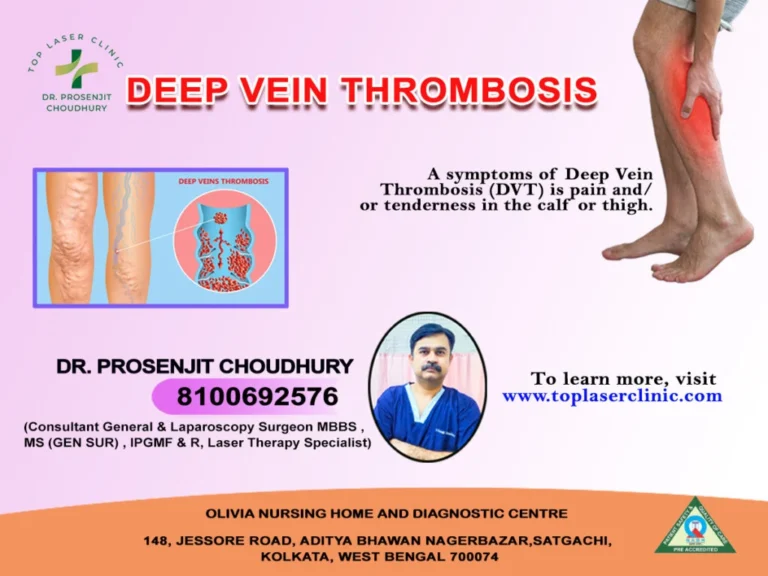
Deep vein thrombosis (DVT)and varicose veins are two distinct conditions related to the veins, but they have different causes, symptoms, and implications. Here’s a breakdown of the differences between DVT and varicose veins:
Table of Contents
1. Causes:
>DVT:Deep vein thrombosis occurs when a blood clot forms in one of the deep veins, usually in the legs. It can be caused by factors such as prolonged immobilization (e.g., after surgery or during long flights), injury to a vein, certain medical conditions (e.g., cancer, heart failure), hormonal changes (e.g., pregnancy, birth control pills), or genetic predisposition.
>Varicose Veins:Varicose veins, on the other hand, develop when the valves within the superficial veins of the legs malfunction. The weakened or damaged valves result in blood pooling in the veins, causing them to enlarge and become varicose. Varicose veins are primarily influenced by genetic factors, age, and lifestyle factors such as obesity and prolonged standing or sitting.
2. Vein Involvement:
>DVT: Deep vein thrombosis affects the deep veins, which are located within the muscles of the legs or arms.
>Varicose Veins: Varicose veins primarily affect the superficial veins, which are closer to the skin surface and are more visible. They are commonly found in the legs, specifically in the saphenous veins.
3. Symptoms:
>DVT: Symptoms of DVT may include pain or tenderness in the affected leg, swelling, warmth, redness, and sometimes a noticeable discoloration of the skin.
>Varicose Veins: Symptoms of varicose veins often include visible enlarged and twisted veins, aching or heavy feeling in the legs, swelling, itching, and skin discoloration around the affected veins.
4. Complications:
>DVT: One of the significant concerns with DVT is the potential for the blood clot to break loose and travel through the bloodstream, leading to a pulmonary embolism (a blockage in the lung’s blood vessels). This can be life-threatening.
>Varicose Veins: While varicose veins usually do not pose serious health risks, they can cause discomfort, pain, and aesthetic concerns for individuals. In some cases, they may lead to complications such as skin ulcers or bleeding.
5. Treatment:
>DVT: Treatment for DVT typically involves the use of blood thinners (anticoagulants) to prevent the clot from growing and to reduce the risk of pulmonary embolism. In some cases, more invasive procedures may be necessary to remove or dissolve the clot.
> Varicose Veins: Treatment options for varicose veins include lifestyle changes (such as regular exercise, weight management, and avoiding prolonged periods of sitting or standing), wearing compression stockings, sclerotherapy (injection of a solution into the vein to close it), laser treatments, or surgical interventions (such as vein stripping or endovenous procedures).
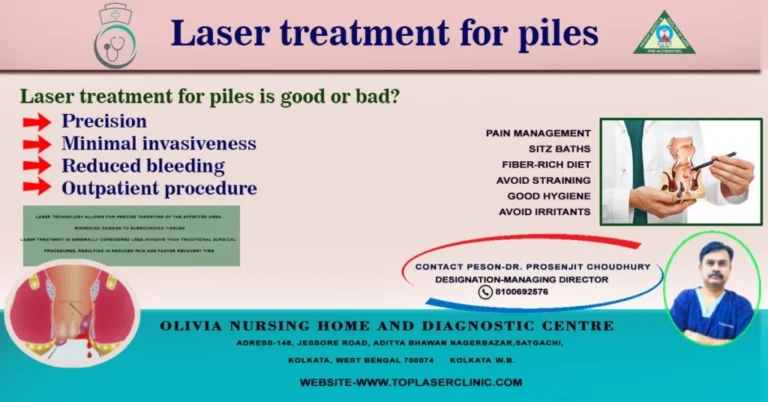
Laser treatment for piles, also known as hemorrhoids, has gained popularity in recent years due to its numerous advantages over traditional surgical methods. Laser treatment for piles is considered to be a good option for many patients. However, it is important to note that the appropriateness of laser treatment may vary depending on the severity and type of hemorrhoids, as well as the individual’s overall health condition.
Advantages of laser treatment for piles include:
Precision: Laser technology allows for precise targeting of the affected area, minimizing damage to surrounding tissues.
Minimal invasiveness: Laser treatment is generally considered less invasive than traditional surgical procedures, resulting in reduced pain and faster recovery time.
Reduced bleeding: The laser cauterizes blood vessels during the procedure, leading to reduced bleeding and a lower risk of complications.
Outpatient procedure: In many cases, laser treatment for piles can be performed on an outpatient basis, allowing patients to return home the same day.
The noninvasive and painless nature of laser treatment for piles makes it a suitable option for patients seeking a less invasive alternative to traditional surgical methods. Studies have indicated that laser treatment for piles can effectively reduce the size of hemorrhoids, alleviate symptoms such as bleeding and pain, and Numerous studies have demonstrated the effectiveness of laser treatment for piles in relieving symptoms, reducing hemorrhoid size, and improving overall quality of life for patients by providing long-term relief.
Additionally, laser treatment for piles is associated with fewer complications and a lower risk of relapse compared to traditional surgical methods:
Effectiveness for severe cases:
Laser treatment may be more suitable for milder cases of hemorrhoids. In more severe cases, alternative treatments or surgical options may be more effective.
Cost:
Laser treatment for piles can be more expensive than other treatment options, as it involves specialized equipment and expertise.
Availability:
Not all healthcare facilities or specialists may offer laser treatment for piles, limiting its accessibility in certain areas.
Potential risks:
Although complications are rare, laser treatment can still carry risks such as infection, scarring, or damage to nearby structures if not performed correctly.
Furthermore, it is always recommended to consult with a healthcare professional to determine the most appropriate treatment option for each individual case.
Side effects of laser treatment for piles:
Among the various treatment options available for piles, laser treatment has gained popularity due to its effectiveness and minimal invasiveness. However, like any medical procedure, laser treatment for piles can also have potential side effects. It is important to understand and consider these potential side effects before opting for laser treatment.These side effects are generally rare and typically mild.
Some possible side effects of laser treatment for piles may include:
Pain or discomfort:
After the procedure, it is common to experience some pain or discomfort in the treated area. This can usually be managed with pain medications prescribed by your healthcare provider.
Bleeding:
Although laser treatment is designed to reduce bleeding during the procedure, there may still be some minimal bleeding afterward. It is typically minor and resolves on its own.
Swelling and inflammation:
Temporary swelling and inflammation of the treated area may occur following laser treatment. This can be managed with ice packs and medications as advised by your doctor.
Infection:
While infection is rare, there is a small risk associated with any medical procedure. It is important to follow proper post-procedure care instructions, including keeping the treated area clean and following any prescribed antibiotic regimen, if applicable.
Scarring:
Laser treatment is generally associated with minimal scarring compared to traditional surgical procedures. However, in rare cases, scarring may occur, particularly if the treatment is not performed correctly or if there are complications.
Changes in bowel habits:
Some individuals may experience temporary changes in bowel habits, such as diarrhea or constipation, following laser treatment. These changes typically resolve within a short period.
Furthermore, the effectiveness of laser treatment for piles may vary depending on factors such as the wavelength or output of the laser and the duration of treatment. Therefore, it is essential to conduct further research to determine the optimal conditions for laser treatment that provide high treatment efficacy. Moreover, it is important to note that laser treatment for piles may not be suitable for all individuals.
In certain cases, such as severe or complicated piles, other treatment options such as hemorrhoidectomy or a combination of procedures may be necessary. In conclusion, while laser treatment for piles is generally considered to be a safe and effective option, it is important to discuss the potential side effects and limitations of laser treatment with a qualified medical professional.
Management and Prevention of Side Effectsof laser treatment for piles:
To manage and prevent side effects of laser treatment for piles, there are several steps that can be taken.
Pain management:
Mild to moderate pain may occur after laser treatment. Your healthcare provider may prescribe pain medications or recommend over-the-counter pain relievers to manage discomfort. Applying ice packs to the treated area can also help reduce pain and swelling.
Sitz baths:
Taking warm sitz baths (sitting in a tub filled with warm water) for about 15-20 minutes several times a day can help relieve pain, reduce inflammation, and promote healing. Avoid using any harsh soaps or perfumed products in the bathwater.
Fiber-rich diet:
Consuming a high-fiber diet can help prevent constipation, which is a common trigger for hemorrhoids. Include plenty of fruits, vegetables, whole grains, and legumes in your meals. Adequate hydration is also important to soften stools and ease bowel movements.
Avoid straining:
Straining during bowel movements can worsen hemorrhoids. To prevent this, try not to delay or forcefully strain when you feel the urge to have a bowel movement. If necessary, use stool softeners or fiber supplements recommended by your doctor.
Good hygiene:
Maintaining proper hygiene is crucial to prevent infection and promote healing. Clean the treated area gently with plain water or mild unscented soap and pat it dry with a soft towel. Avoid using rough toilet paper and opt for moistened wipes instead.
Avoid irritants:
Refrain from using harsh soaps, perfumed products, or any other potential irritants in the treated area. These can cause further discomfort or slow down the healing process.
Furthermore, regular follow-up with your healthcare provider is essential to monitor your progress and address any concerns or complications that may arise.
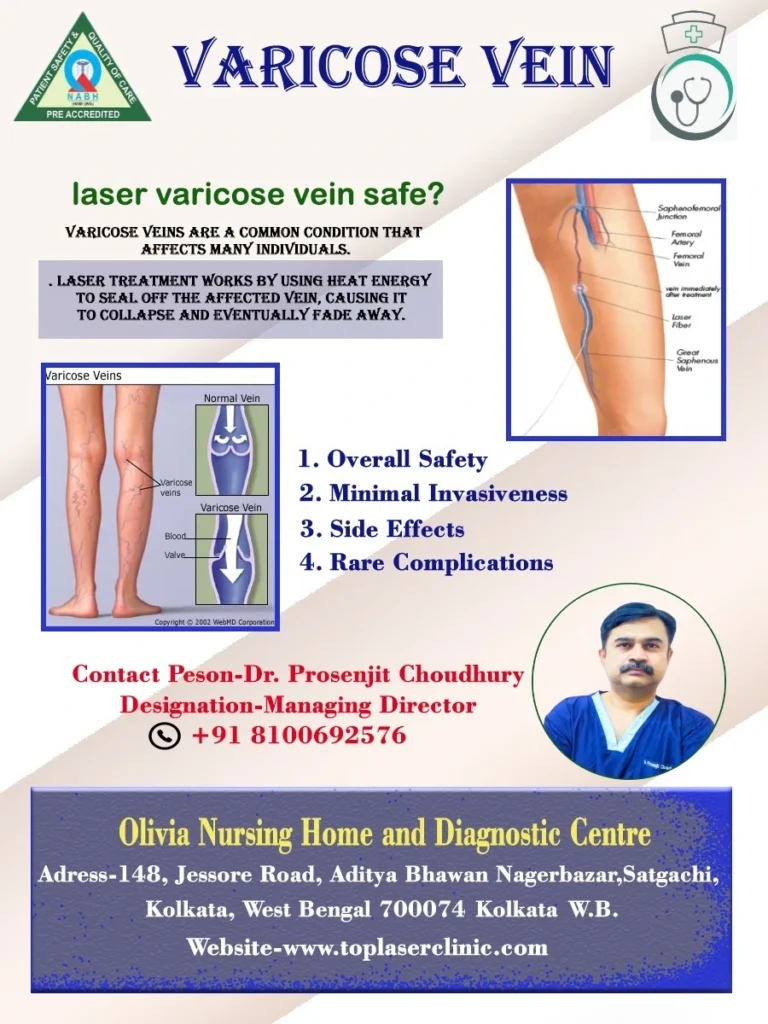
Varicose veins are a common condition that affects many individuals. One of the treatment options for varicose veins is laser treatment, also known as endovenous laser ablation. Laser treatment for varicose veins is generally considered safe when performed by a qualified healthcare professional. Laser treatment works by using heat energy to seal off the affected vein, causing it to collapse and eventually fade away.
This minimally invasive procedure has shown to be effective in treating varicose veins and is widely used worldwide. Extensive research and clinical studies have demonstrated the safety and efficacy of laser treatment for varicose veins. EVLT, or endovenous laser ablation, is a safe and effective procedure for the treatment of lower-extremity varicose veins (Chung et al., 2022). It is important to note that like any medical procedure, laser treatment for varicose veins does carry some potential risks and side effects.
These risks can include minor complications such as pain, bruising, erythema (redness), hematoma (blood clot), hyperpigmentation (darkening of the skin), teleangiectatic matting (formation of fine red veins), and nerve injury. However, it is crucial to remember that these complications are relatively rare and typically resolve on their own over time. Furthermore, the overall safety of laser treatment for varicose veins has been found to be better than traditional methods such as vein stripping and ligation.
Laser treatment for varicose veins has a high success rate with occlusion rates of up to 95%. It is a versatile treatment option that can be used to treat various types of veins, including the great saphenous vein and short saphenous vein. Untreated varicose veins can lead to pain, thrombophlebitis, bleeding, chronic venous insufficiency, and venous ulcers.
Here are some key points regarding the safety of laser varicose vein treatment :
1.Overall Safety:
laser varicose vein treatment has been performed for many years with a good safety record. It is considered a safe alternative to traditional surgical procedures like vein stripping.
2.Minimal Invasiveness:
The procedure is minimally invasive, typically performed on an outpatient basis. It involves inserting a laser fiber into the affected vein through a small incision, delivering laser energy to seal the vein and redirect blood flow to healthier veins.
3.Side Effects:
Common side effects of varicose vein treatment may include bruising, swelling, temporary discomfort, and skin discoloration around the treated area. These effects are generally mild and temporary, resolving on their own within a few weeks.
4.Rare Complications:
While rare, there is a small risk of potential complications such as infection, nerve damage, blood clot formation, or skin burns. However, these complications are relatively uncommon.
Therefore, undergoing laser treatment for varicose veins can not only provide relief from symptoms but also help prevent potential complications. In conclusion, laser treatment for varicose veins is a safe and effective option for individuals seeking relief from the symptoms of varicose veins.
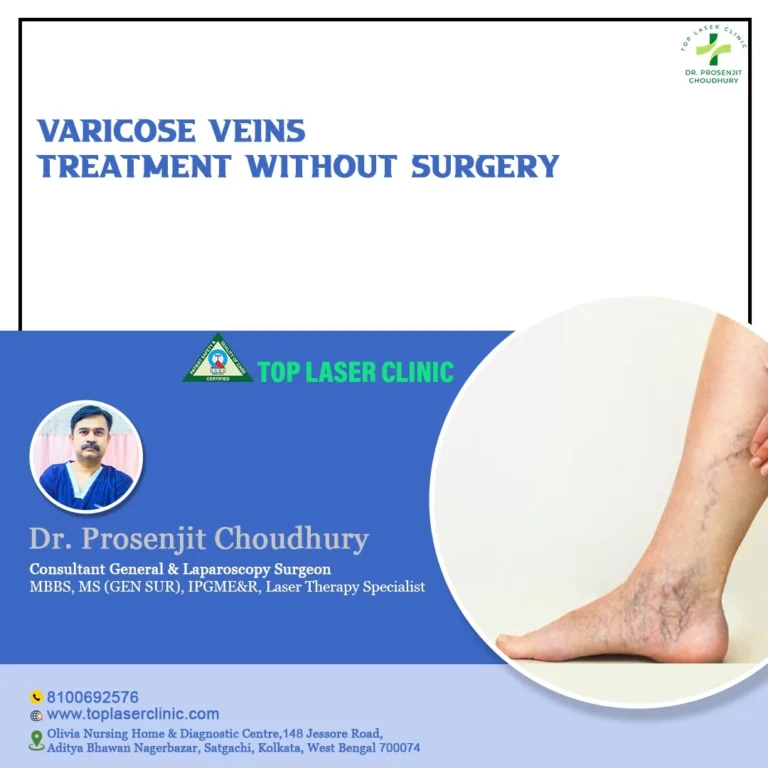
Varicose veins treatment without Surgery is very helpful to human beings. Varicose veins are a common condition that affects millions of people worldwide, especially women. They not only cause distressing physical symptoms like aching, swelling, and venous ulceration but also affect the appearance of your legs. While surgery is a traditional treatment option, it may not be suitable for everyone. Fortunately, there are non-surgical treatment options that can help reduce the symptoms of varicose veins and improve their appearance.
Patient complaints and solutions
The presenting complaints of patients with varicose veins often include cosmetic concerns, physical symptoms such as pain and swelling, or medical complications. Moreover, some patients have fears and concerns about the potential harm varicose veins could cause. For those patients who want to avoid surgery, non-surgical treatment options are increasingly available and effective. Some common treatment options include wearing graduated compression stockings, taking oral venotonic medication, and undergoing percutaneous or endovascular techniques. Graduated compression stockings are a low-risk, non-invasive treatment option for varicose veins .
They work by improving blood circulation and preventing the pooling of blood in the veins. Another non-surgical option is taking oral venotonic medication, which can help improve vein tone and reduce inflammation. Newer non-surgical techniques for treating varicose veins include percutaneous and endovascular techniques, which are minimally invasive procedures that use lasers or radiofrequency to treat the affected veins.
It is important to note that non-surgical treatments cannot entirely cure varicose veins but can effectively manage the symptoms associated with them. While surgical intervention has been the primary treatment for symptomatic varicose veins of the lower limbs in the past, non-surgical options are now available that can provide effective relief from the physical symptoms and improve the appearance of varicose veins without the need for surgery.
While surgery has been the traditional treatment for varicose veins, non-surgical options have emerged that can provide relief from physical symptoms and improve appearance.Varicose veins can not only cause a range of physical symptoms such as pain, swelling, and venous ulceration but are also often a cosmetic concern. For those who wish to avoid surgery, there are non-surgical treatment options such as wearing graduated compression stockings, taking oral venotonic medication, and undergoing minimally invasive procedures like percutaneous or endovascular techniques that can effectively manage physical symptoms and improve the appearance of varicose veins.
It is important to note that while these non-surgical treatments cannot completely cure varicose veins, they can be a safe and effective option for those who wish to avoid surgery or for those who are not eligible for surgical intervention due to other medical conditions. Graduated compression stockings work by exerting graduated pressure on the leg, which improves blood circulation and helps prevent pooling of blood in the veins. This can lead to reduced swelling and pain in the legs.
Newer Non-Surgical option for varicose vein problem
Oral venotonic medication is another non-surgical option that can help improve vein tone and reduce inflammation. Additionally, newer non-surgical techniques for treating varicose veins have emerged that are minimally invasive and can effectively manage the symptoms associated with them.
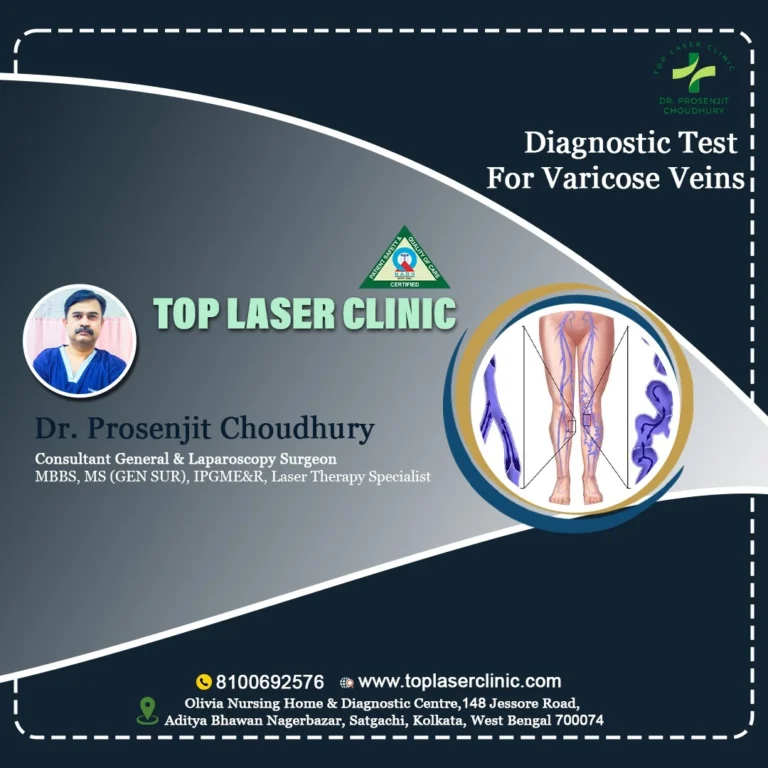
When diagnosing varicose veins, healthcare professionals typically start with a physical examination and medical history review for Diagnostic test for varicose veins. The doctor will assess the appearance and location of the veins, as well as inquire about any symptoms you may be experiencing.
In addition to the physical examination, there are several diagnostic tests that can provide more detailed information about the condition of the veins and help guide treatment decisions. These tests may include:
1. Doppler Ultrasound:
Doppler ultrasound is a commonly used imaging test for evaluating varicose veins. It uses sound waves to visualize the blood flow in the veins and assess the functioning of the valves. This test can help identify areas of reflux (backward flow) and determine the extent and severity of the varicose veins.
2. Duplex Ultrasound :
Duplex ultrasound combines traditional ultrasound imaging with Doppler ultrasound. It provides detailed images of the veins and their surrounding structures while simultaneously evaluating the blood flow. Duplex ultrasound can help identify any blood clots or other abnormalities in the veins.
3. Venogram :
Venogram involves injecting a contrast dye into the veins and taking X-ray images to visualize the blood flow. This test is usually used in more complex cases or when other imaging tests have not provided sufficient information.
4. Magnetic Resonance Venography (MRV):
MRV is a non-invasive imaging technique that uses magnetic resonance imaging (MRI) technology to visualize the veins and blood flow. It can provide detailed images of the veins without the need for contrast dye.
These diagnostic tests help determine the location, extent, and severity of varicose veins and provide valuable information to guide treatment decisions.
Radiofrequency ablation varicose veins
Radiofrequency ablation (RFA) is a minimally invasive procedure used to treat varicose veins. It is a form of endovenous thermal ablation, meaning it involves using heat to close off and seal the affected veins.
During the RFA procedure for varicose veins, the healthcare professional inserts a thin catheter into the diseased vein under ultrasound guidance. The catheter delivers radiofrequency energy to the vein wall, causing it to heat up and contract. The heat generated by the radiofrequency energy destroys the vein, leading to its closure. The procedure is usually performed under local anesthesia or mild sedation.
Radiofrequency ablation offers several advantages as a treatment option for varicose veins
1. Minimally Invasive :
RFA is a minimally invasive procedure that can be performed in an outpatient setting. It typically requires only a small incision or needle puncture, resulting in less scarring and a faster recovery compared to traditional vein-stripping surgery.
2. High Success Rate:
RFA has shown high success rates in closing off the treated veins, relieving symptoms, and improving the appearance of varicose veins.
3. Reduced Pain and Bruising :
RFA causes less pain and bruising compared to traditional surgery. Many patients report minimal discomfort and a quicker return to normal activities.
4. Quick Recovery:
Recovery after RFA is generally faster than after surgical procedures. Most individuals can resume regular activities within a few days to a week after the procedure.
5. Effective and Long-lasting Results:
RFA provides long-term relief from varicose veins by addressing the underlying cause. The treated veins are closed off, and blood flow is rerouted to healthier veins, improving circulation and reducing symptoms.
It’s important to note that RFA is not suitable for all cases of varicose veins. A thorough evaluation and consultation with a healthcare professional, such as a vascular specialist, are necessary to determine the most appropriate treatment approach based on individual circumstances and vein condition.
Is Ice pack good for varicose veins?
Applying an ice pack or cold compress to varicose veins can provide temporary relief for symptoms such as pain, swelling, and discomfort. The cold temperature helps constrict the blood vessels and can temporarily reduce inflammation and numb the area.
Here are some tips for using an ice pack on varicose veins:
1. Prepare the ice pack:
Fill a sealable plastic bag with crushed ice or use a gel ice pack. Alternatively, you can wrap ice cubes in a thin cloth or towel.
2. Protect your skin:
To prevent direct contact between the ice pack and your skin, wrap it in a thin cloth or towel. This helps avoid potential damage to the skin from extreme cold.
3. Apply the ice pack:
Gently apply the wrapped ice pack to the affected area of varicose veins. Hold it in place for about 15-20 minutes.
4. Take breaks:
It’s important not to apply ice directly to the skin for an extended period. Take breaks between applications to allow the skin to warm up.
5. Elevate your legs:
While using the ice pack, consider elevating your legs to help reduce swelling and improve circulation. Prop up your legs with a pillow or cushion.
6. Follow a safe routine:
Avoid leaving the ice pack on for too long or applying excessive pressure to the varicose veins. Be mindful of your comfort level and discontinue use if you experience any adverse effects.
Keep in mind that using an ice pack provides temporary relief and does not address the underlying causes of varicose veins.
What is varicose vein pillow?
A varicose veins pillow, also known as an elevating leg rest pillow or wedge pillow, is a specialized pillow designed to elevate the legs while lying down. These pillows are often recommended to individuals with varicose veins or other conditions that benefit from leg elevation, such as swelling, edema, or venous insufficiency.
Varicose veins pillows typically have a wedge shape or a contoured design that allows for comfortable elevation of the legs and proper support. They are usually made of foam or memory foam to provide cushioning and maintain their shape.
The primary purpose of a varicose veins pillow is to promote proper blood circulation and reduce venous congestion in the legs. By elevating the legs above the level of the heart, these pillows help facilitate the return of blood flow from the lower extremities, reducing the pooling of blood in the veins and alleviating symptoms associated with varicose veins.
When using a varicose veins pillow, it’s important to position it correctly. Place the pillow under the lower legs or calves, ensuring that the heels are fully supported. This allows for a gradual elevation of the legs while keeping the knees slightly bent for added comfort.
While varicose veins pillows can provide temporary relief and improve circulation, they do not address the underlying causes of varicose veins. They are typically used as part of a comprehensive treatment approach that may include lifestyle modifications, compression therapy, and medical interventions, depending on the severity and symptoms of the varicose veins.
Varicose veins are a common condition that affects both men and women alike. They occur when the veins become enlarged, twisted, and swollen due to weakened or damaged valves. Many people suffer from varicose veins, and although they can be asymptomatic and only a cosmetic issue for some individuals, others may experience unpleasant symptoms such as heaviness, aching, itching, swelling, restlessness and cramps.
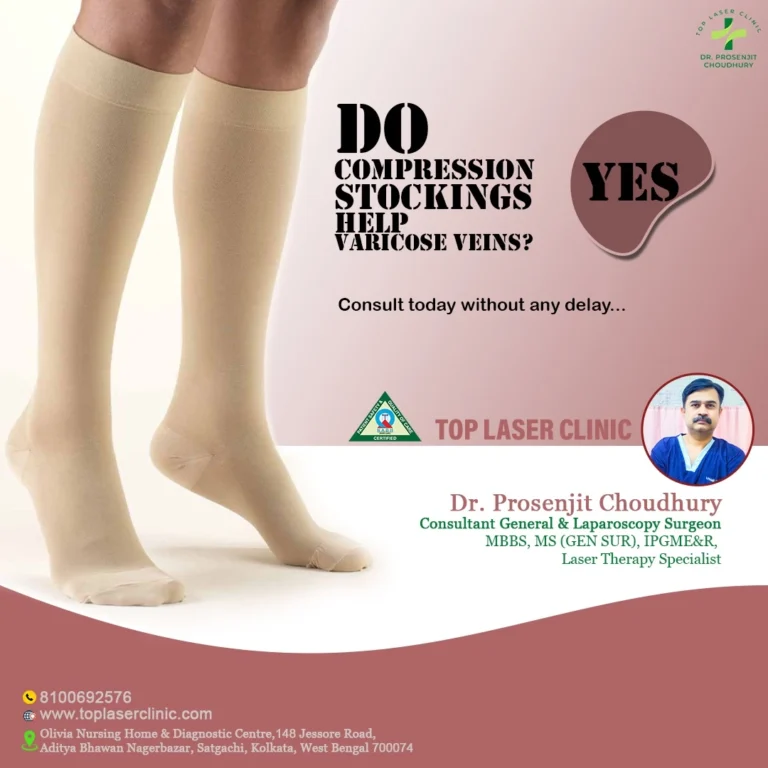
Compression stockings are frequently recommended as the first treatment option for patients with varicose veins. These stockings can improve symptoms such as pain, fatigue, swelling, and superficial venous thrombus.
Graduated compression stockings provide continuous support to the legs and improve blood flow, reducing pressure on valves and veins.
Here’s how compression stockings can be beneficial :
Improved blood flow
Compression stockings apply gentle pressure to the legs, helping to squeeze the veins and improve blood flow. This compression assists the valves in the veins, preventing blood from pooling and reducing venous congestion. By promoting better circulation, compression stockings can alleviate symptoms associated with varicose veins, such as pain, swelling, and heaviness.
Reduced swelling
Varicose veins can cause swelling in the legs and ankles due to fluid buildup. Compression stockings provide external support to the veins, helping to reduce swelling by preventing fluid from accumulating in the tissues. The graduated pressure from compression stockings is highest at the ankles and gradually decreases up the leg, aiding in fluid movement back towards the heart.
Prevention of blood clots
Varicose veins are associated with an increased risk of developing blood clots (deep vein thrombosis). Compression stockings can help reduce this risk by improving blood flow and preventing blood from stagnating in the veins.
Symptom relief
Wearing compression stockings can alleviate discomfort and symptoms associated with varicose veins, such as pain, aching, cramping, and fatigue in the legs. The compression provided by the stockings can help individuals with varicose veins engage in daily activities with greater ease and comfort.
Compression therapy using stockings
Compression therapy using stockings has been shown to relieve symptoms in many patients, although it is not effective in slowing the progression of varicose veins or preventing their recurrence. It’s worth noting that patient compliance can be low, as the stockings may be uncomfortable to wear.
Compression stockings are an effective non-surgical option for preventing and treating varicose veins of the lower limbs. Compression stockings work by exerting external pressure on the limbs, reducing vein diameter and increasing blood flow.
Compression stockings are snug-fitting, elastic garments that can help treat varicose veins by providing a graduated amount of pressure from the ankle to the thigh. Flat and circular knitting techniques are utilized to produce compression hosieries. It’s important to note that compression stockings should only be used after consulting with a doctor and undergoing an evaluation.
In conclusion, if you are suffering from critical varicose veins and looking for a non-surgical treatment option that is absolutely effective in reducing symptoms such as pain, swelling and fatigue, compression stockings may be a viable option.
However, it’s essential to remember that compression stockings may not prevent the recurrence of varicose veins or slow their progression. Furthermore, wearing compression stockings may be uncomfortable and require patient compliance. It is important to note that compression stockings are available in various strengths and lengths, and they should be properly fitted to ensure effectiveness. Your healthcare provider or a trained professional can guide you in selecting the appropriate compression stockings and provide instructions on how to wear them correctly.
While compression stockings can offer symptom relief and help manage varicose veins, they do not eliminate the underlying venous insufficiency. Therefore, it is crucial to consult with your doctor and follow their instructions closely. In addition, it’s important to note that while varicose veins may only be a cosmetic issue for some individuals and not produce symptoms, others may experience significant discomfort. Compression stockings can provide significant relief from these symptoms and improve the quality of life for those suffering from varicose veins.