Vein problems are no longer just a cosmetic concern. They can cause pain, swelling, discomfort, and serious complications if ignored. Thanks to medical progress, Advanced Vein Care now offers safe, effective, and minimally invasive solutions that focus on long-term vein health and quick recovery.
This detailed guide is written in simple, natural language to help you understand advanced vein care, why it matters, and how expert treatment can improve both comfort and confidence.
Table of Contents
1. What Is Advanced Vein Care?
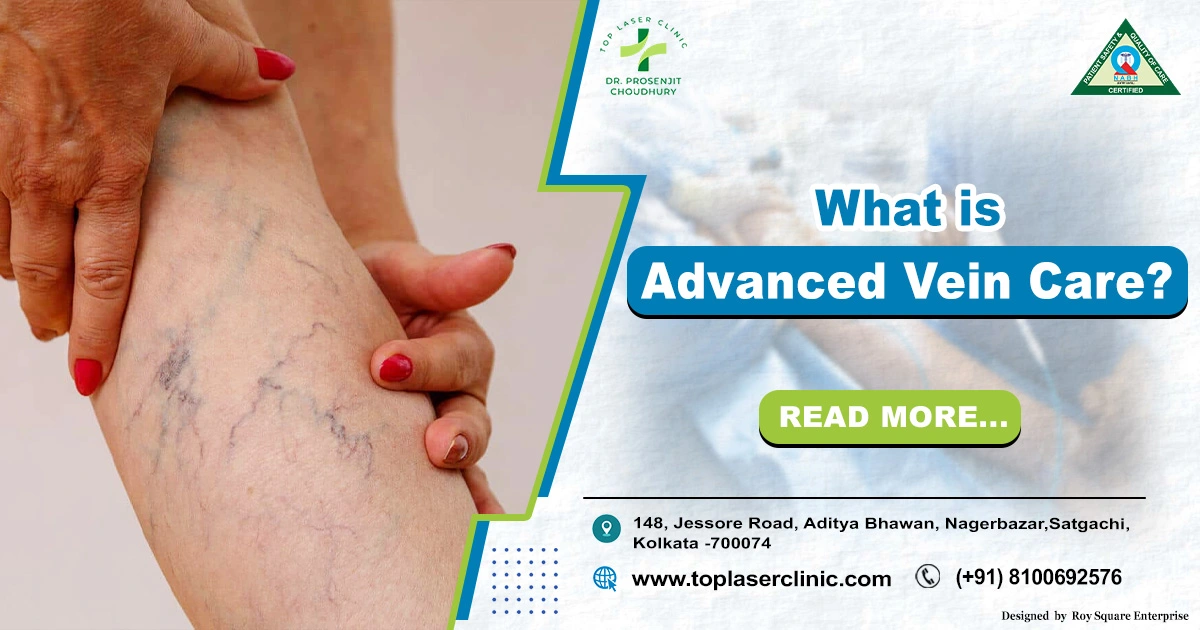
Advanced vein care refers to modern, specialized medical treatments designed to diagnose and treat vein-related conditions such as varicose veins, spider veins, and chronic venous insufficiency. Unlike older surgical methods, advanced vein care focuses on minimally invasive techniques that cause less pain, minimal scarring, and faster recovery.
The goal is not only to improve the appearance of veins but also to restore healthy blood circulation, reduce symptoms, and prevent future complications. These treatments are usually performed as day-care procedures and allow patients to return to daily life quickly.
2. Causes of Vein Problems
Vein problems develop when veins struggle to send blood back to the heart efficiently. Common causes include:
- Weak or damaged vein valves
- Prolonged standing or sitting
- Pregnancy and hormonal changes
- Obesity
- Family history of vein disease
- Aging
- Lack of physical activity
Over time, these factors increase pressure inside the veins, causing them to stretch, twist, or become visible.
3. Diagnostic Tools Used in Advanced Vein Care
Accurate diagnosis is the foundation of successful vein treatment. Advanced vein care uses modern diagnostic tools such as:
- Venous reflux studies to identify faulty veins
- Physical examination of affected areas
- Review of medical history and symptoms
These tests help doctors design a personalized treatment plan based on the exact cause of the vein problem.
4. Advanced Treatment Options in Vein Care
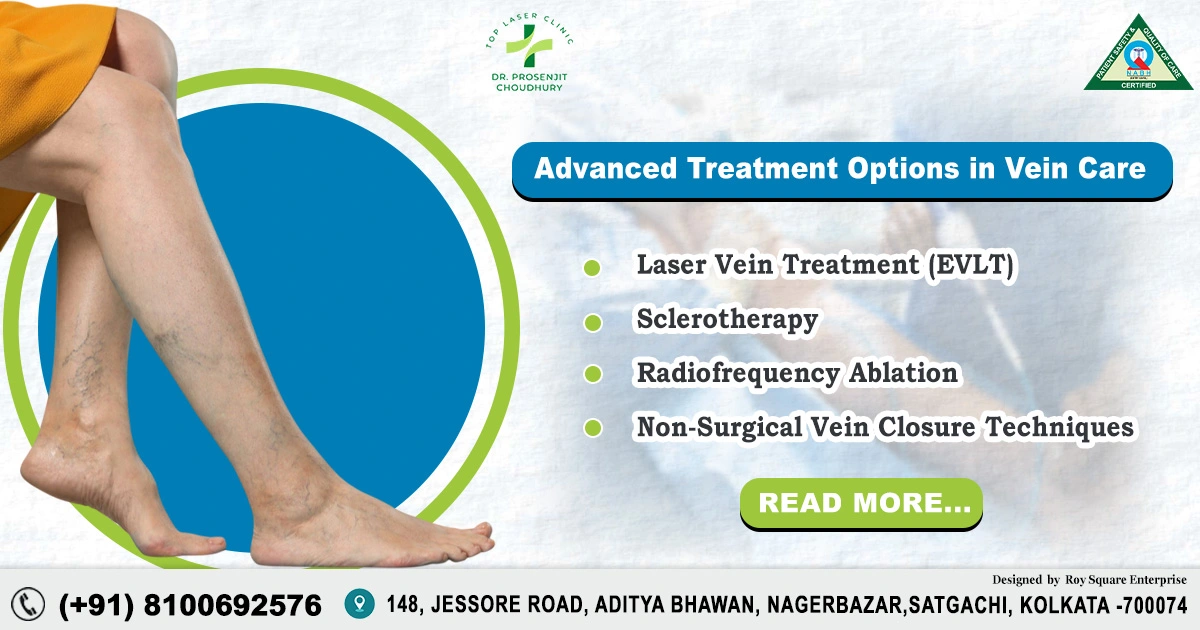
Advanced vein care offers several safe and effective treatment options depending on the condition and severity:
Laser Vein Treatment (EVLT)
A minimally invasive procedure that uses laser energy to close faulty veins, allowing blood to reroute to healthy veins.
Sclerotherapy
A medical solution is injected into small veins, causing them to collapse and fade over time. It is commonly used for spider veins.
Radiofrequency Ablation
Heat energy is used to seal damaged veins with precision and minimal discomfort.
Non-Surgical Vein Closure Techniques
Modern methods that avoid large incisions and stitches.
These treatments are usually quick, performed under local anesthesia, and require minimal downtime.
5. Benefits of Advanced Vein Care
Advanced vein care offers multiple advantages over traditional vein surgery:
- Minimally invasive procedures
- Little to no scarring
- Reduced pain and discomfort
- Faster recovery time
- Improved blood circulation
- Relief from heaviness, swelling, and pain
- Enhanced appearance of legs
Patients often experience both medical relief and cosmetic improvement, leading to better quality of life.
6. Possible Risks and Complications
Advanced vein care is generally very safe when performed by experienced specialists. However, like all medical procedures, minor risks may include:
- Temporary bruising or swelling
- Mild skin discoloration
- Localized tenderness
- Rare infection or nerve irritation
Most side effects are short-term and resolve on their own with proper post-treatment care.
7. Importance of Early Vein Treatment
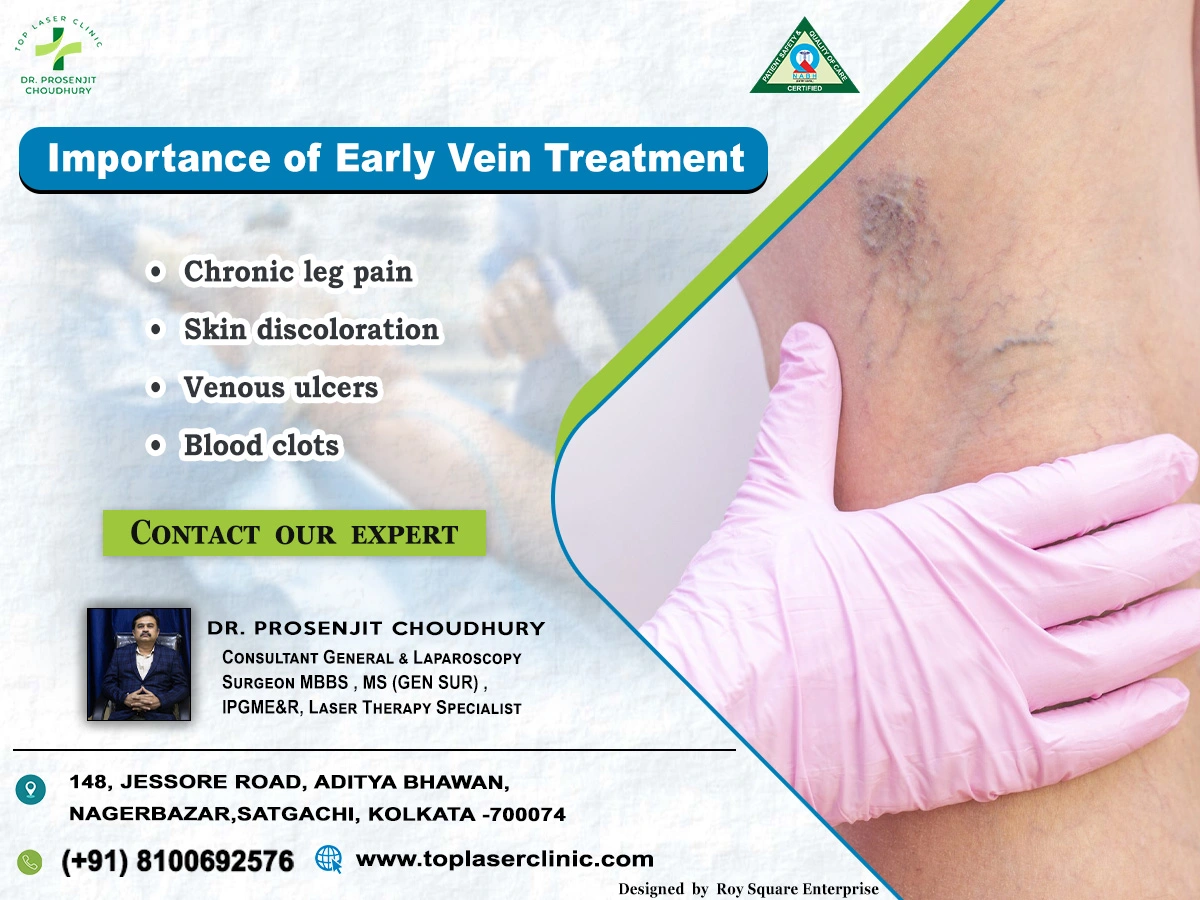
Ignoring vein problems can lead to worsening symptoms and serious complications such as:
- Chronic leg pain
- Skin discoloration
- Venous ulcers
- Blood clots
Early vein treatment helps prevent disease progression, reduces long-term risks, and improves overall leg health. Timely care also leads to better treatment outcomes and quicker recovery.
8. Importance of Choosing the Right Surgeon
The success of advanced vein care depends greatly on the experience and skill of the surgeon. Proper diagnosis, correct technique, and post-treatment monitoring are essential for long-lasting results.
Many patients trust Dr. Prosenjit Choudhury, an experienced General & Laparoscopic Surgeon in Kolkata, for vein-related treatments. His patient-centered approach and focus on safety make advanced vein care more effective and reliable.
9. Why Choose Dr. Prosenjit Choudhury, Top Laser Clinic
When it comes to vein health, expert care matters. Dr. Prosenjit Choudhury at Top Laser Clinic is an experienced General & Laparoscopic Surgeon in Kolkata, known for combining advanced technology with compassionate patient care.
Patients choose him for:
- Accurate diagnosis and clear guidance
- Modern, minimally invasive treatment options
- Focus on long-term vein health
- Ethical and patient-first approach
Many patients consider Dr. Prosenjit Choudhury among the best general surgeons in Kolkata for advanced vein care and minimally invasive procedures.
10. Conclusion
Advanced vein care has transformed the way vein disorders are treated. With modern diagnostic tools, minimally invasive procedures, and expert medical guidance, patients no longer need to live with pain, discomfort, or embarrassment caused by vein problems.
Early diagnosis, timely treatment, and choosing the right specialist are the keys to healthier legs and a better quality of life. If vein symptoms are affecting your daily routine, seeking expert advice can be the most positive step toward lasting relief and confidence.
1. Is advanced vein care painful?
Usually 30–60 minutes, depending on the procedure.
2. How long does vein treatment take?
Usually 30–60 minutes, depending on the procedure.
3. Is hospitalization required?
No, most treatments are day-care procedures.
4. When can I return to normal activities?
Most patients resume normal activities within 1–2 days.
5. Are results permanent?
Treated veins do not return, but healthy habits help prevent new ones.
8. Do I need compression stockings?
They are often recommended for better recovery.
9. Who is suitable for advanced vein care?
Anyone with symptomatic or visible vein issues.
10. When should I see a doctor?
If you notice pain, swelling, or visible veins worsening.

