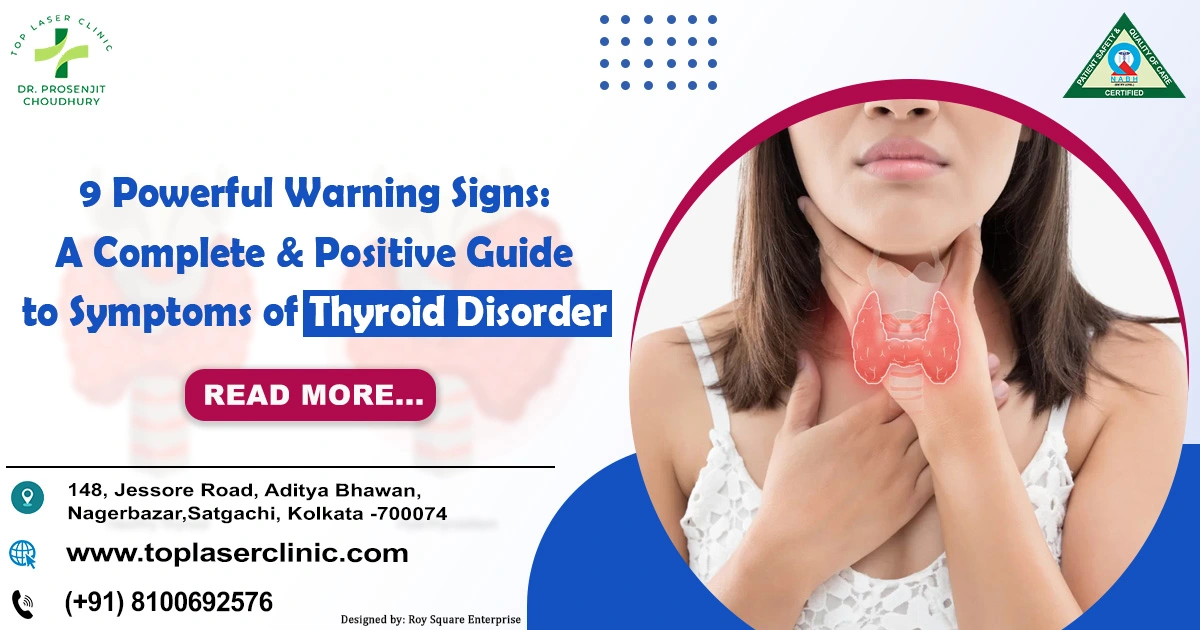
Thyroid disorders are more common than many people realize, yet they often remain undiagnosed for years. The symptoms can be subtle at first and may look like everyday health issues such as fatigue, weight changes, or mood swings. Understanding the symptoms of thyroid disorder is the first strong step toward early diagnosis, effective treatment, and a healthier life.
This detailed guide is written in simple, clear language to help you recognize thyroid-related symptoms, understand their causes, and know when to seek expert medical care.
Table of Contents
1. What Is a Thyroid Disorder?
Despite its size, it plays a major role in controlling how your body uses energy. It releases hormones that regulate metabolism, heart rate, digestion, body temperature, and even mood.
A thyroid disorder occurs when the gland produces too much hormone (hyperthyroidism) or too little hormone (hypothyroidism). Both conditions can disturb normal body functions and lead to noticeable symptoms over time.
2. Common Symptoms of Thyroid Disorder
Thyroid symptoms vary depending on whether the gland is overactive or underactive. Some people may experience a mix of symptoms, making diagnosis tricky without proper testing.
General Symptoms Seen in Many Thyroid Disorders
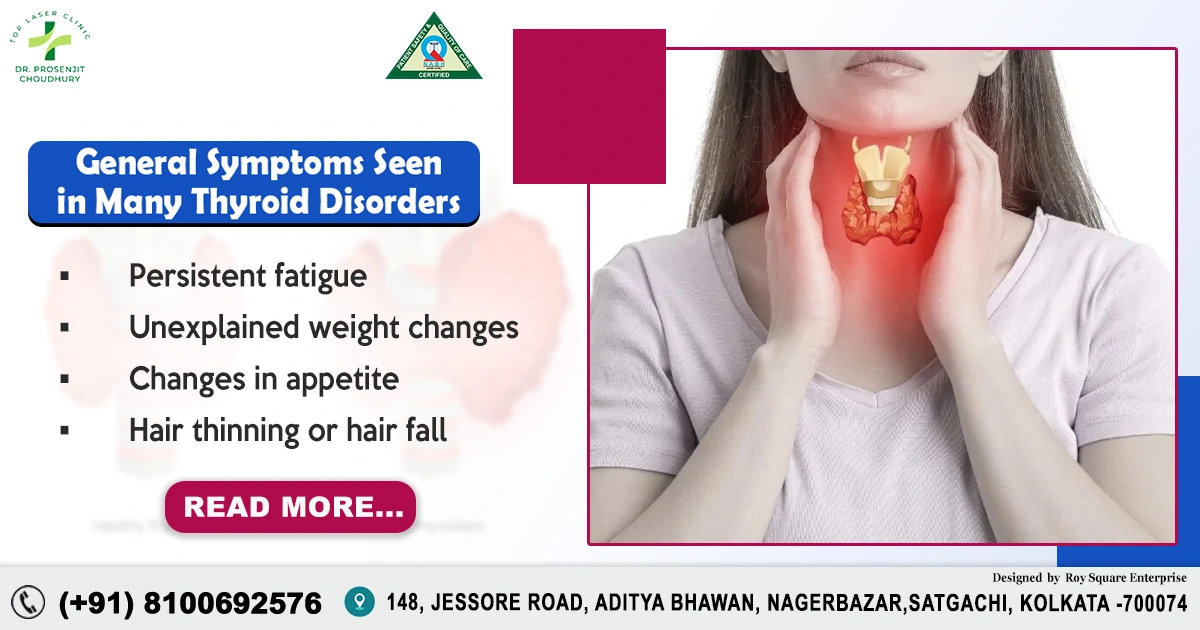
- Persistent fatigue
- Unexplained weight changes
- Changes in appetite
- Hair thinning or hair fall
- Dry or sweaty skin
- Irregular heartbeat
- Mood changes
Symptoms of Hypothyroidism (Underactive Thyroid)
- Weight gain despite normal eating
- Feeling cold easily
- Slow heart rate
- Constipation
- Depression or low mood
- Dry, coarse skin
- Memory problems
Symptoms of Hyperthyroidism (Overactive Thyroid)
- Sudden weight loss
- Heat intolerance
- Rapid or irregular heartbeat
- Anxiety and restlessness
- Excessive sweating
- Tremors in hands
- Difficulty sleeping
Visible Signs
- Swelling in the neck (goiter)
- Puffiness of the face
- Bulging eyes (in some cases)
Early recognition of these symptoms can make treatment simpler and more effective.
3. Causes of Thyroid Disorders
Several factors can disrupt normal thyroid function. Common causes include:
- Iodine deficiency or excess
- Thyroid nodules or inflammation
- Certain medications
- Pregnancy-related hormonal changes
- Previous thyroid surgery or radiation therapy
In many cases, the exact cause develops slowly and may not be obvious at first.
4. Risk Factors You Should Know
You may have a higher risk of developing a thyroid disorder if you:
- Have a family history of thyroid disease
- Are female (women are more commonly affected)
- Are over the age of 35
- Have autoimmune conditions
- Have recently been pregnant
- Have iodine imbalance in your diet
Being aware of these risk factors helps in early screening and prevention.
5. How Thyroid Disorders Are Diagnosed
Accurate diagnosis is essential for effective treatment. Doctors usually recommend:
- Blood tests (TSH, T3, T4 levels)
- Thyroid ultrasound to check gland size and nodules
- Thyroid antibody tests for autoimmune conditions
- FNAC (Fine Needle Aspiration Cytology) if nodules are present
Diagnosis is usually straightforward with proper testing and medical evaluation.
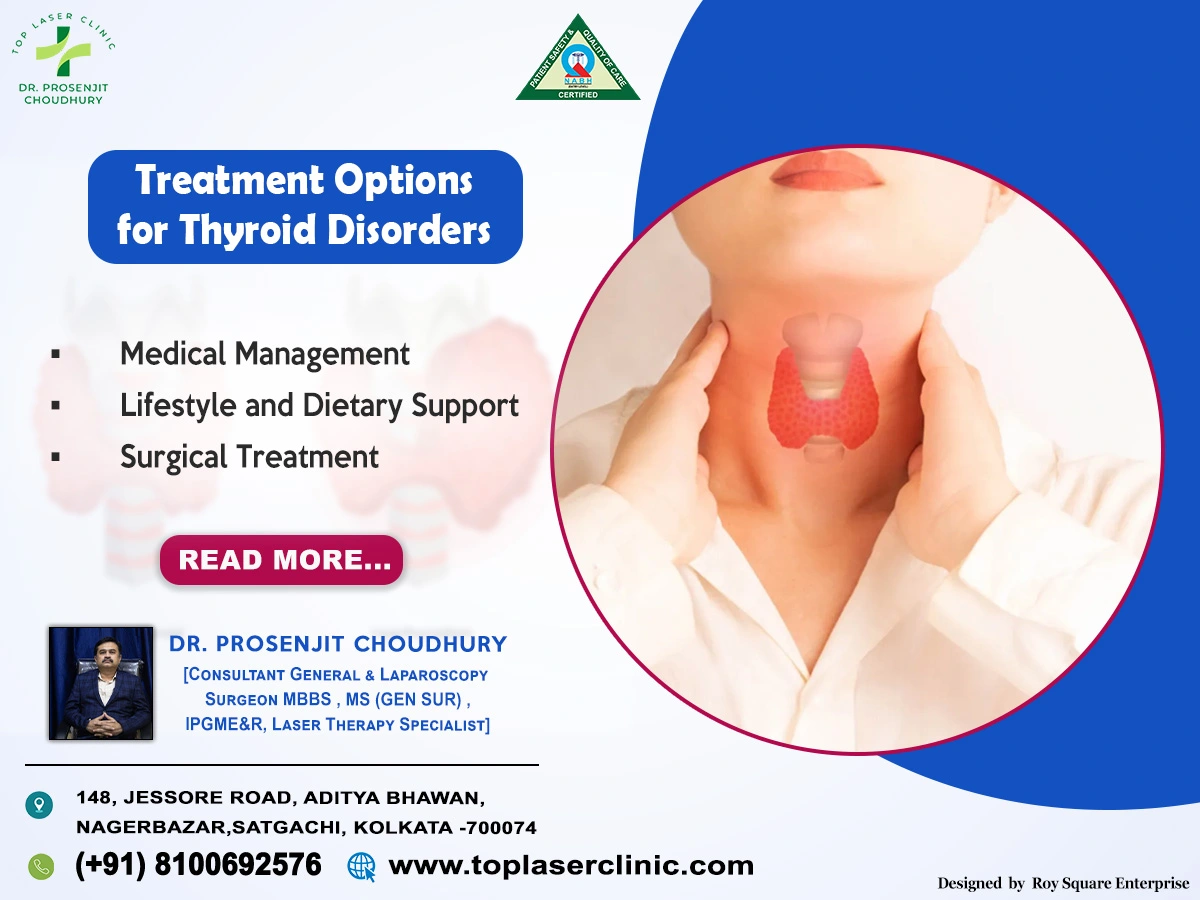
6. Treatment Options for Thyroid Disorders
Medical Management
- Thyroid hormone replacement for hypothyroidism
- Anti-thyroid medications for hyperthyroidism
Lifestyle and Dietary Support
- Balanced iodine intake
- Stress management
- Regular exercise
- Consistent follow-ups
Surgical Treatment
In some cases, surgery may be advised, especially for large goiters, nodules, or cancer suspicion. Expert surgical care ensures safety and faster recovery.
Patients seeking expert evaluation often consult Dr. Prosenjit Choudhury at Top Laser Clinic, an experienced General & Laparoscopic Surgeon in Kolkata, known for patient-focused care and accurate
diagnosis.
7. Recovery and Long-Term Management
Most thyroid disorders are manageable with proper treatment and regular monitoring. Recovery involves:
- Taking medications as prescribed
- Routine blood tests
- Maintaining a healthy lifestyle
- Managing stress and sleep
With the right guidance, patients can lead a completely normal and active life.
8. Possible Complications
If left untreated, thyroid disorders may lead to:
- Heart problems
- Infertility
- Osteoporosis
- Mental health issues
- Pregnancy complications
- Thyroid storm (rare but serious)
Early diagnosis significantly reduces these risks.
9. Why Choose Dr. Prosenjit Choudhury, Top Laser Clinic
Patients appreciate:
Choosing the right specialist is crucial for thyroid care. Dr. Prosenjit Choudhury, at Top Laser Clinic, is an experienced General & Laparoscopic Surgeon in Kolkata, widely trusted for his clinical expertise.
- Clear diagnosis and honest guidance
- Advanced treatment options
- Compassionate care
- Focus on long-term health outcomes
Many consider him among the best general surgeons in Kolkata for comprehensive and reliable care. Consulting Dr. Prosenjit Choudhury at Top Laser Clinic ensures expert evaluation and safe treatment decisions.
10. Conclusion
Thyroid disorders may begin quietly, but their symptoms can impact nearly every part of daily life. Recognizing early warning signs, understanding the causes, and seeking timely medical advice can make a life-changing difference.
With proper diagnosis, effective treatment, and expert care, thyroid disorders are highly manageable. If you or a loved one notice persistent symptoms, don’t ignore them. Early action leads to better health, confidence, and long-term well-being.
Taking that first step today can truly transform your health tomorrow.
1. Can thyroid symptoms appear suddenly?
Yes, especially in hyperthyroidism.
2. Are thyroid disorders lifelong?
Some are temporary, others need long-term management.
3. Can thyroid problems cause hair loss?
Yes, hair thinning is common.
4. Is weight gain always linked to thyroid?
Not always, but it can be a key sign.
5. Can men get thyroid disorders?
If symptoms persist or worsen over time.
6. Is thyroid surgery safe?
Yes, when performed by experienced surgeons.
7.Yes, though women are more commonly affected.
Yes, anxiety and depression are common symptoms.
8. How often should thyroid tests be done?
As advised by your doctor, usually every 6–12 months
9. Can lifestyle changes help thyroid health?
Yes, they support medical treatment.
10. When should I see a doctor?
If symptoms persist or worsen over time.

